
 EN
Quick Links

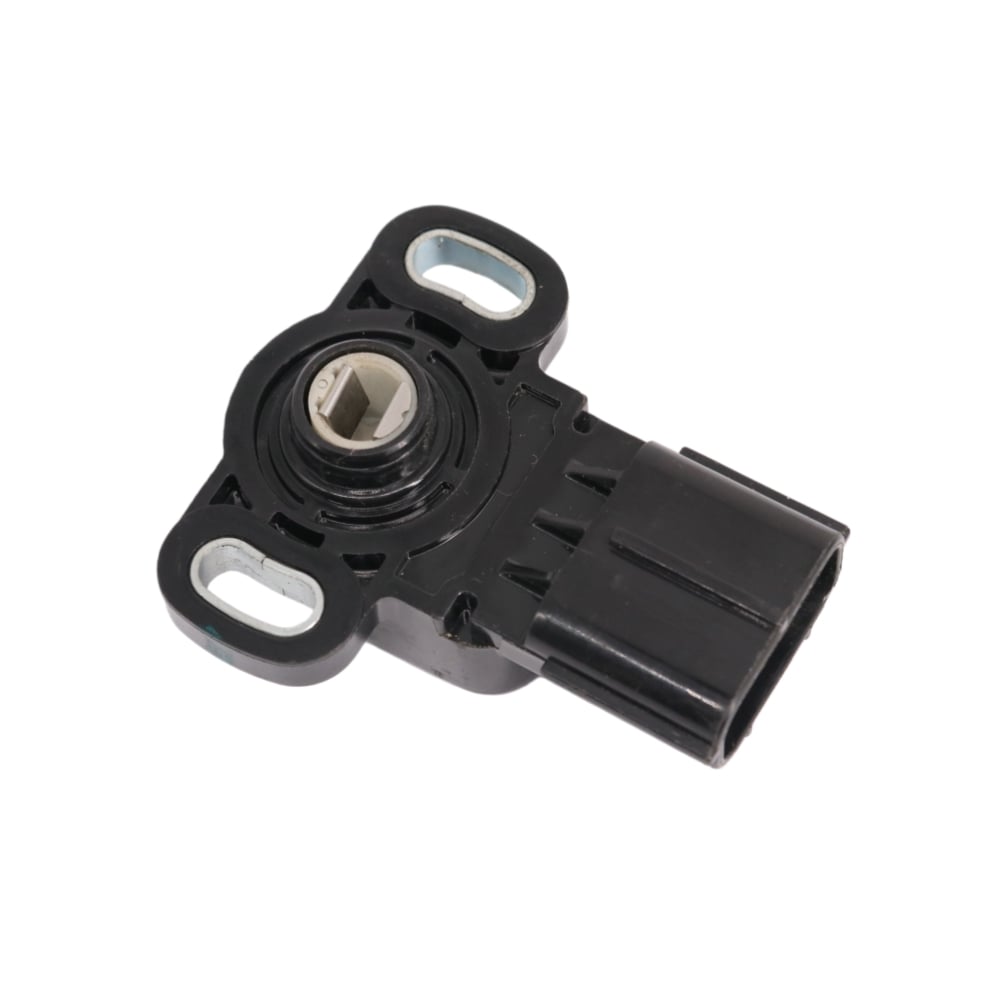
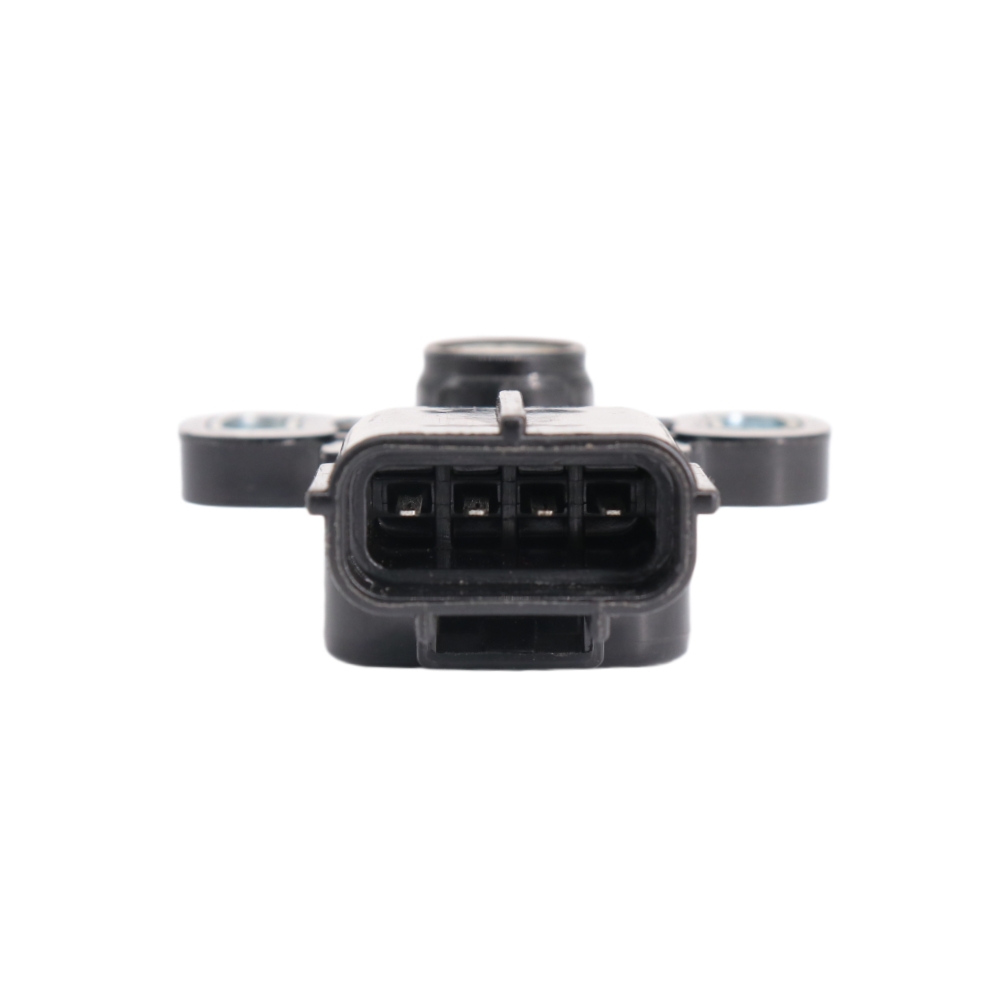
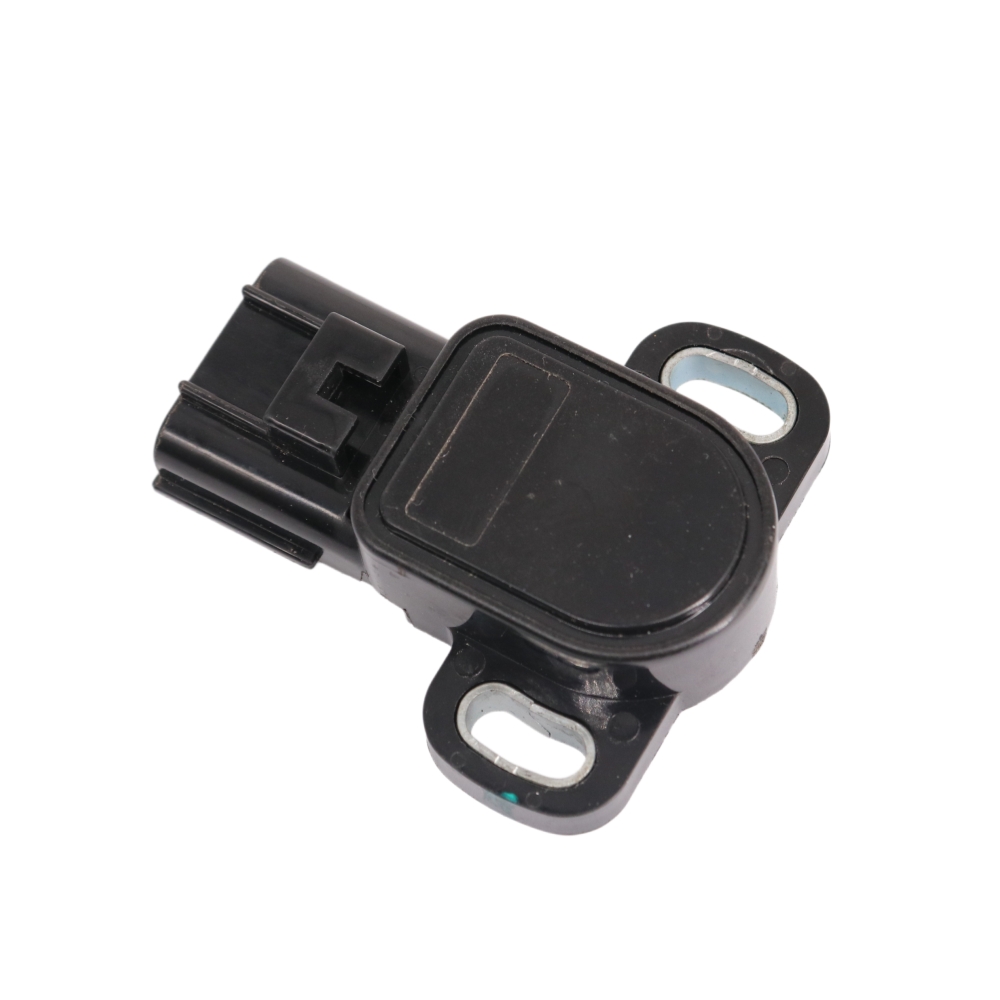
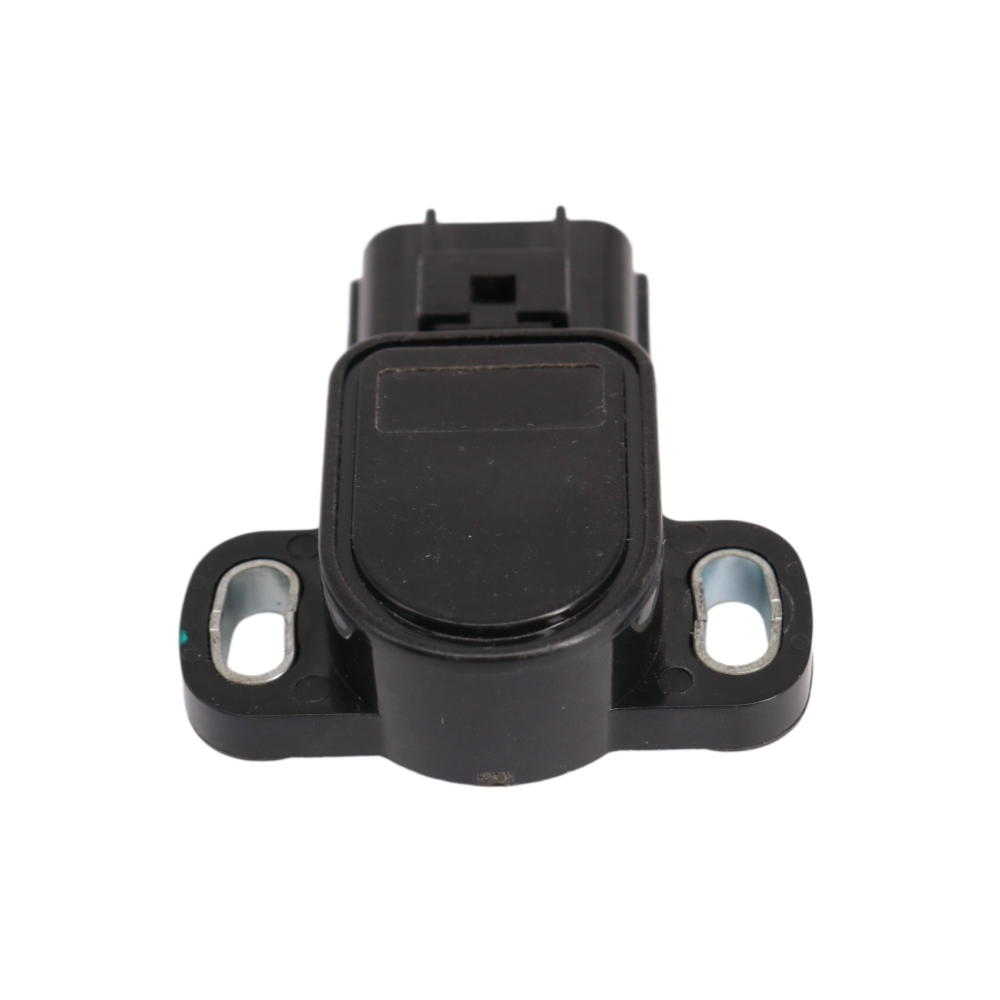
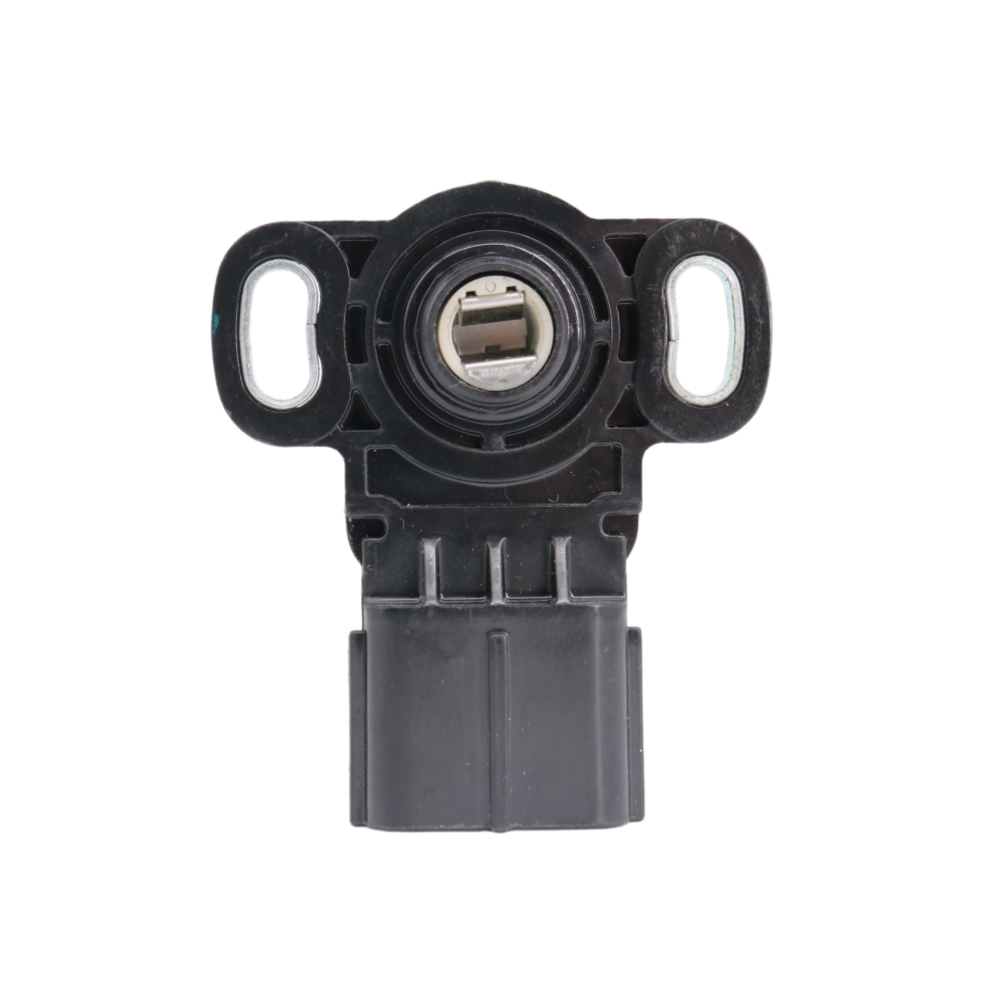
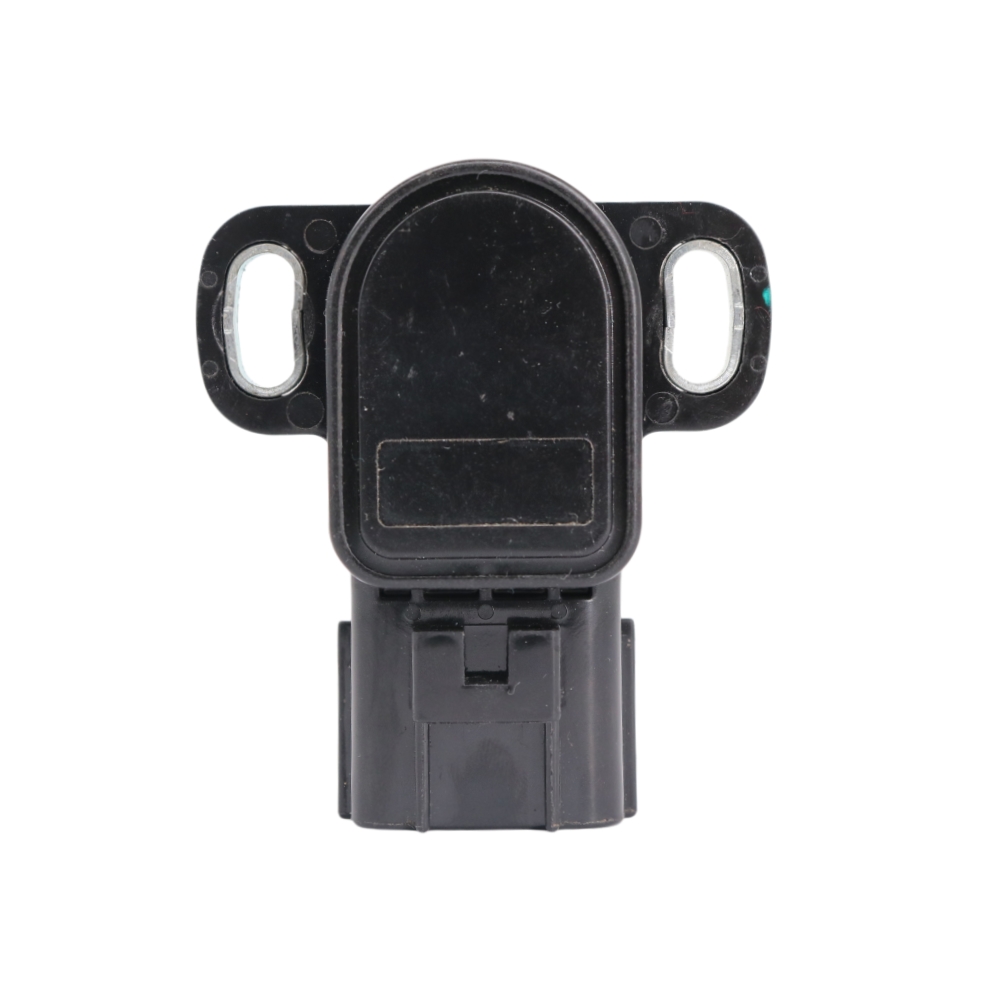
Most throttle position sensors are condemned by a wear mark a few millimetres wide, at the one opening the rider holds all day. This one has no track for a wiper to wear.
EUR pricing starts at 100 pieces. The ladder sits in section 11.
not the one inside the twist grip.
Non-contact Hall element
90–135° sweep
Seven Yamaha models
Two cross numbers
Prices on the page
100-piece minimum
Type |
Throttle position sensor |
Principle |
Hall effect, non-contact |
Output |
Analogue voltage |
Position |
Throttle shaft end |
Sweep |
90–135° |
Pins |
4 |
Models |
YZF-R1, YZF-R6 2008–2013; FZ09 |
Temperature |
−40 to +125 °C |
Ingress |
IP67 |
Weight |
20 g |
Price |
EUR, tiered from 100 pcs — section 11 |
Minimum |
100 pcs |
A conventional throttle position sensor is a potentiometer. Two resistive tracks, one per channel, printed on a ceramic or plastic substrate, and a pair of sprung wipers that slide along them as the butterfly opens. It is a simple, cheap, remarkably durable arrangement — and it carries one built-in obsolescence that no amount of quality control removes.
The wiper does not travel evenly across the track. It travels unevenly because the throttle does not open evenly. On a road bike the butterfly spends almost all of its life between closed and a fifth open: tickover, town work, a steady cruise. Full travel is used in bursts, and the middle of the range is visited for a fraction of a second at a time. So the track gets polished at one narrow band and left untouched everywhere else.
That band is where the sensor dies. The resistive film thins, the wiper loses contact pressure, carbon dust and condensation collect in the polished groove, and the voltage stops changing smoothly at exactly that opening. The engine does not fail. It stumbles at one throttle position, in one gear, at one road speed — and is perfectly normal everywhere else, which is why these sensors get replaced twice before anyone believes the diagnosis.
None of that mechanism exists here. There is no track, no wiper, no sliding contact and no polished groove. A magnet turns with the shaft and a Hall element reads its field without touching it. The failure that ends most throttle position sensors — mechanical wear at the held opening — has been designed out rather than delayed.
What is left is honest. A Hall sensor can still be killed by a broken latch, a corroded terminal, a bent shaft or a displaced magnet, and those are the failures this part will eventually show. They are also failures you can see, which the wear mark never was.
Ninety to one hundred and thirty-five degrees sounds like a range, and it is the most useful number on this page. A throttle position sensor does not measure angle for its own sake; it reports where the butterfly is, and it must be able to report both ends of that travel with something in hand at each end.
The butterfly does not open ninety degrees. Depending on the bore and the linkage it sweeps less — often considerably less. The sensor is geared or keyed to that sweep, and the electronics are trimmed so that closed throttle sits near the bottom of the output band and wide-open sits near the top.
A substitute with a narrower sweep runs out of travel before the butterfly does. The reading stops climbing a few degrees short of full open. The engine still starts, still idles, still pulls cleanly to three-quarter throttle — and goes flat at the top, because the controller never receives the signal that says "fully open, use the full-load map". Owners describe it as a loss of top-end power and blame the fuel pump.
A substitute with too much sweep is the quieter problem. The sensor reaches its electrical end stop early, so the last part of the twist does nothing at all, and the controller learns a zero that is slightly wrong. Tickover drifts, the idle control valve works harder than it should, and the fault looks like an air leak.
Both faults come from the same shortcut: matching the connector and the bolt pattern and calling the part compatible. Ninety to one hundred and thirty-five degrees, keyed to the shaft, with the output trimmed across the whole band, is what "compatible" actually means.
Model |
Years |
Yamaha YZF-R1 |
2008–2013 |
Yamaha YZF-R6 |
2008–2013 |
Yamaha MT09 |
— |
Yamaha MT10 |
— |
Yamaha XSR900 |
— |
Yamaha FJR1300 |
— |
Yamaha FZ09 |
FZ09ECGY · FZ09ECO · FZ09ECR · FZ09EGY · FZ09EO · FZ09ER |
A dash means no year range was published against that entry. R1 and R6 carry 2008–2013; FZ09 is qualified by the six model codes rather than by a year. Check the code on the machine.
Both numbers are listed and neither is tied to a model. 1MC-85884-01-00 and 13S-85885-00-00 are the cross-references for this body. The number stamped on the part you are removing is the one that decides — read it off the old sensor, not off a forum post.
This is the shaft sensor. The twist-grip sensor on a cable-less Yamaha is a separate part with its own number, its own connector and its own failure behaviour. Both are sold as "throttle position sensor" and both have four pins, which is why the wrong one gets ordered.
OEM cross-reference: 1MC-85884-01-00 · 13S-85885-00-00.
Field |
Value |
Brand |
RUNTONG |
Part number |
RB-TPS039 |
OEM cross-reference |
1MC-85884-01-00 · 13S-85885-00-00 |
Type |
Throttle position sensor |
Position |
Throttle shaft end |
Principle |
Hall effect, non-contact |
Output |
Analogue voltage |
Sweep |
90–135° |
Pins |
4 |
Operating temperature |
−40 to +125 °C |
Ingress protection |
IP67 |
Housing |
ABS plastic |
Weight |
20 g |
Supplied with |
Sensor and washer |
Inner packing |
Zip bag |
Carton |
6.5 × 6 × 5 cm, 100 pcs |
Certification |
ISO 9001 |
Warranty |
12 months |
Price |
EUR, tiered — see section 11 |
Wholesale minimum |
100 pcs |
Custom printed carton |
From 1,000 pcs |
Dispatch |
7 days from stock; 15–30 days to build |
Freight |
Air, sea, land |
Price, in EUR, per piece
Quantity |
Price |
100–199 pcs |
€7.07 |
200–499 pcs |
€6.71 |
≥ 500 pcs |
€6.16 |
All prices are EUR per piece. Freight, insurance, duty and import VAT sit on top and depend on destination and mode. The trade minimum is 100 pieces; anything smaller is served from our retail listings rather than this ladder.
Dispatch. A week from stock; a scheduled lot takes three to four weeks.
Freight. Air, sea or land. A hundred units is a light parcel; at this weight the customs entry costs more than the carriage.
Tax. Duty and VAT remain with the buyer unless DDP is agreed in writing. The invoice names the function — throttle position sensor — and no manufacturer appears on the documents, the carton or the part.
Warranty. Twelve months, batch-wide, covering the element and the seal. Excluded: a body dropped or levered, a keyway forced or rotated under load, a latch broken at removal, a lead cut, crimped or spliced, a terminal corroded by water ingress at a damaged connector, and any attempt to open the housing.
€7.07 from 100 to 199 pieces, €6.71 from 200 to 499, €6.16 from 500. EUR, per piece, before freight and duty.
No. This is the one on the throttle shaft. The grip sensor is a different part with a different number.
Hall. There is no resistive track and no wiper, which is the point of the part.
The fitment printed here stops at 2013. Read the number off your old sensor; if it is not one of the two listed, this is not your part.
Where the machine stores a throttle learning value, yes — clear it and let it relearn, then confirm the closed and open readings before riding.
On the bodies that need one, yes. A few variants seat directly and ship without.
Not from this ladder — a hundred is the floor here. Smaller quantities are sold through our retail listings.
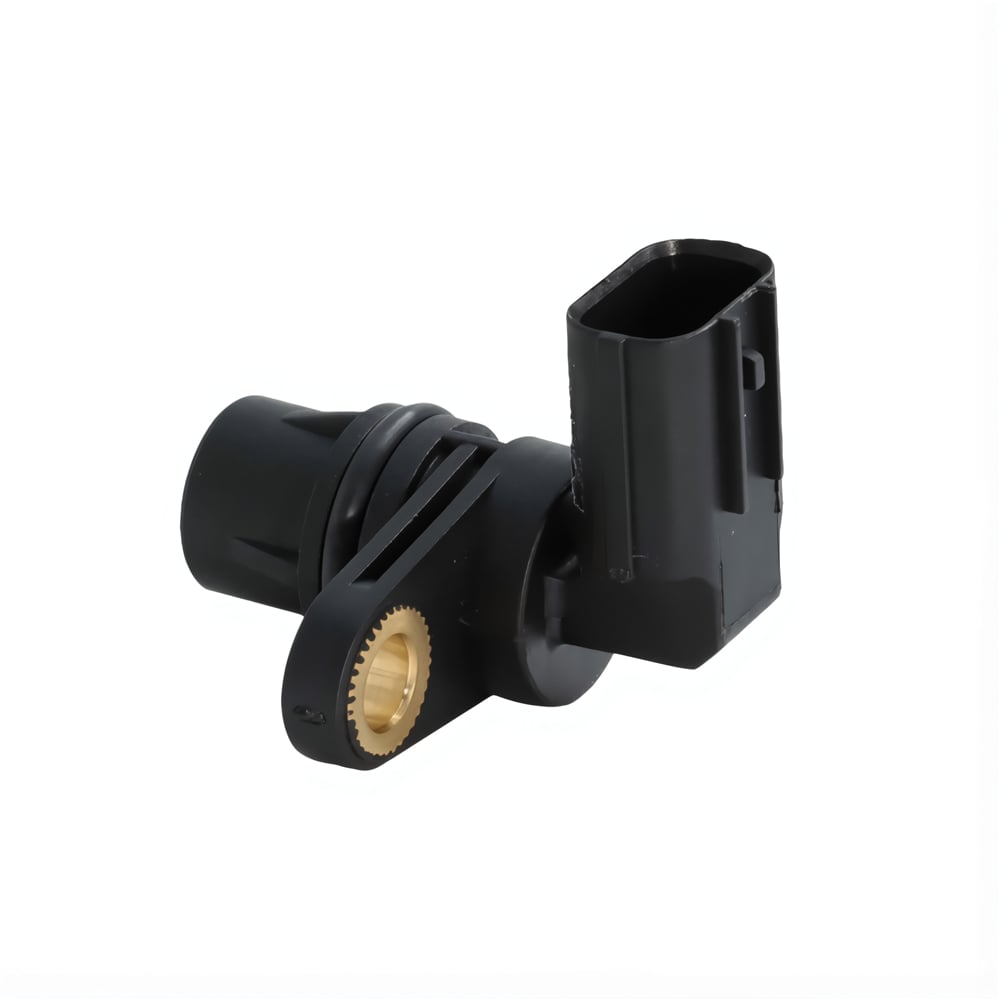
Honda NCW50 NSC110 PCX125 PCX150 37700-K27-V01 Motorcycle Crankshaft Position Sensor
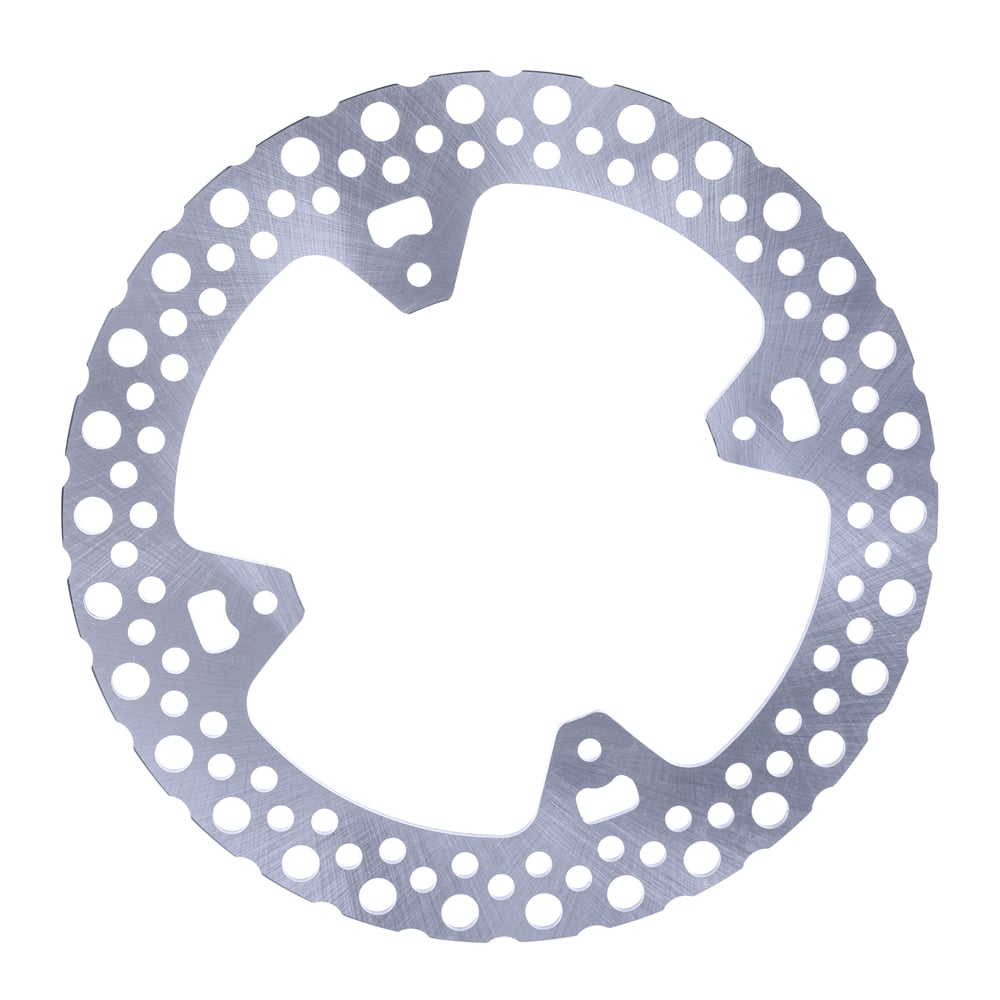
240mm Rear Brake Disc for Honda CR125/CR250/CRF250/CRF450 — Drilled
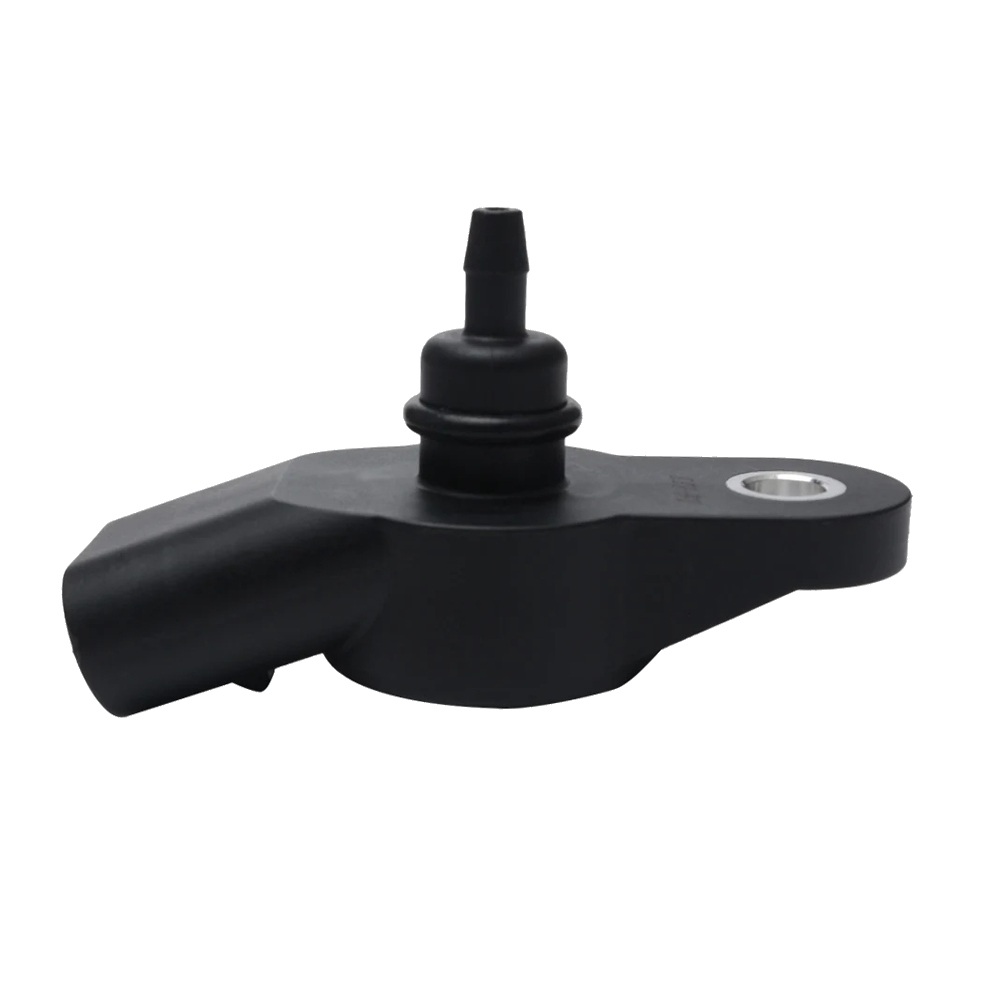
Intake Manifold Pressure Sensor for Lifan LF200 and the KPT / KPV / KPR / KPM / KPB 200 — RB-PS008
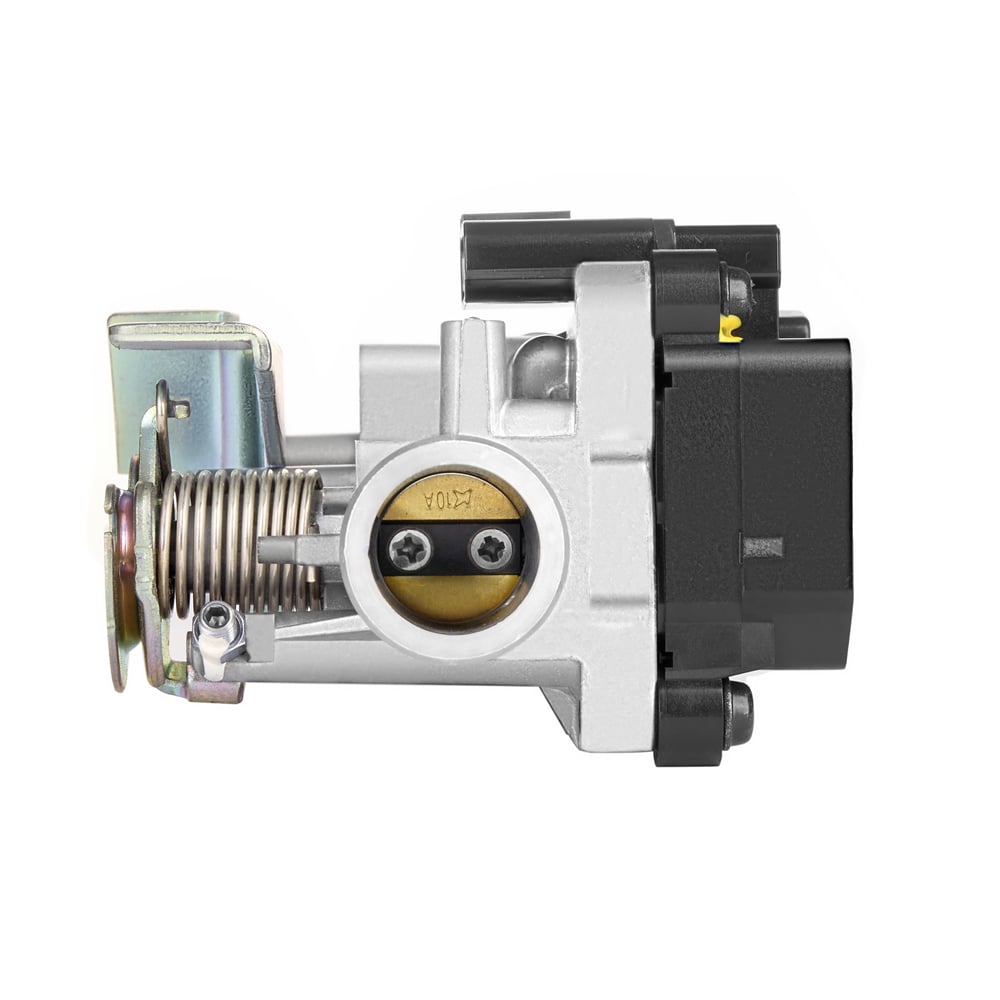
20 mm Throttle Body for the Honda LEAD 110 / CLICK 110 / NHX110 Elite / SPACY 110 / SCR 110 — 16400-GFM-M03