
 EN
Quick Links

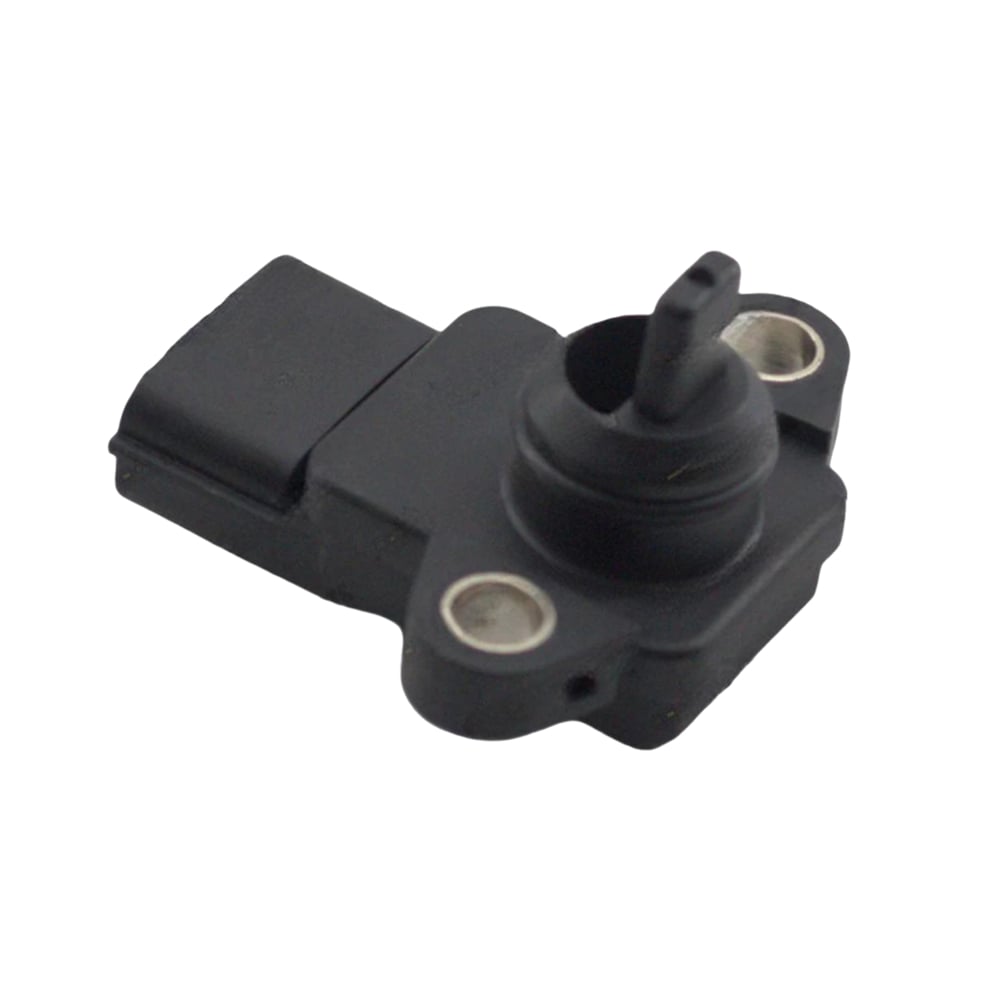
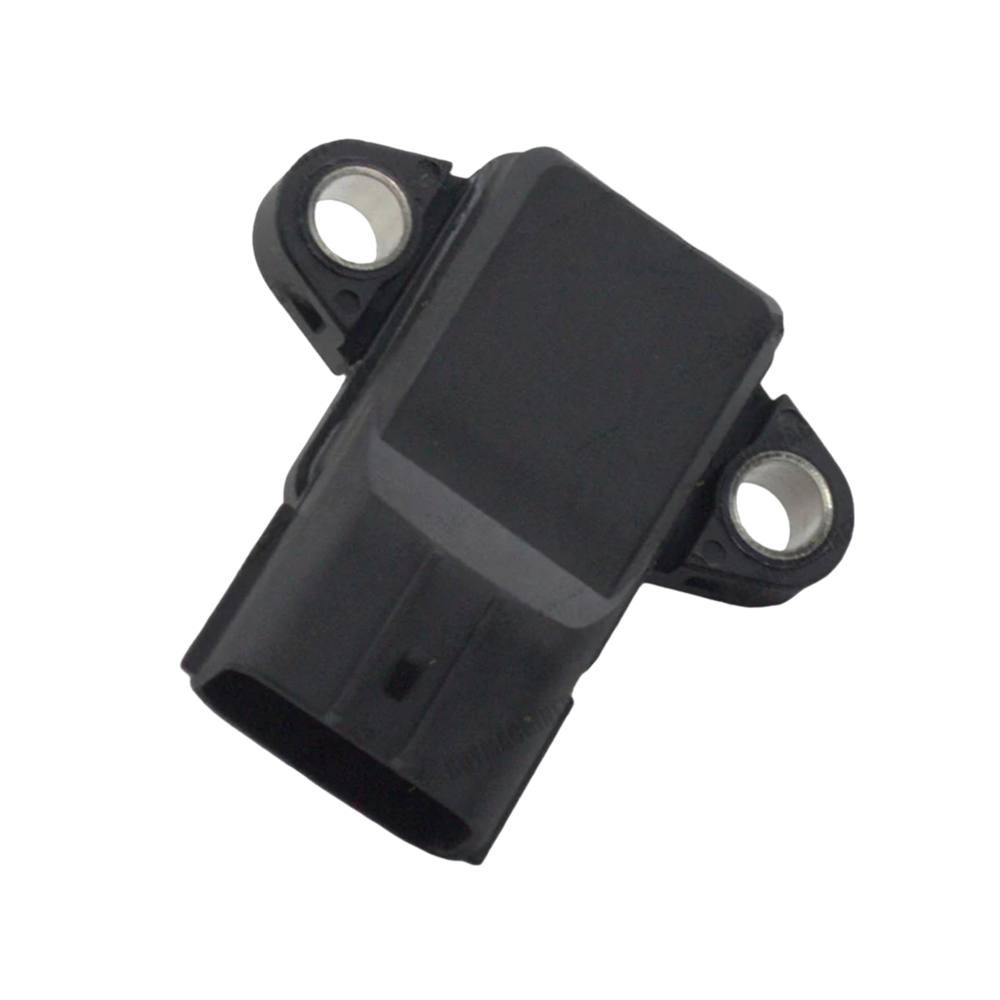
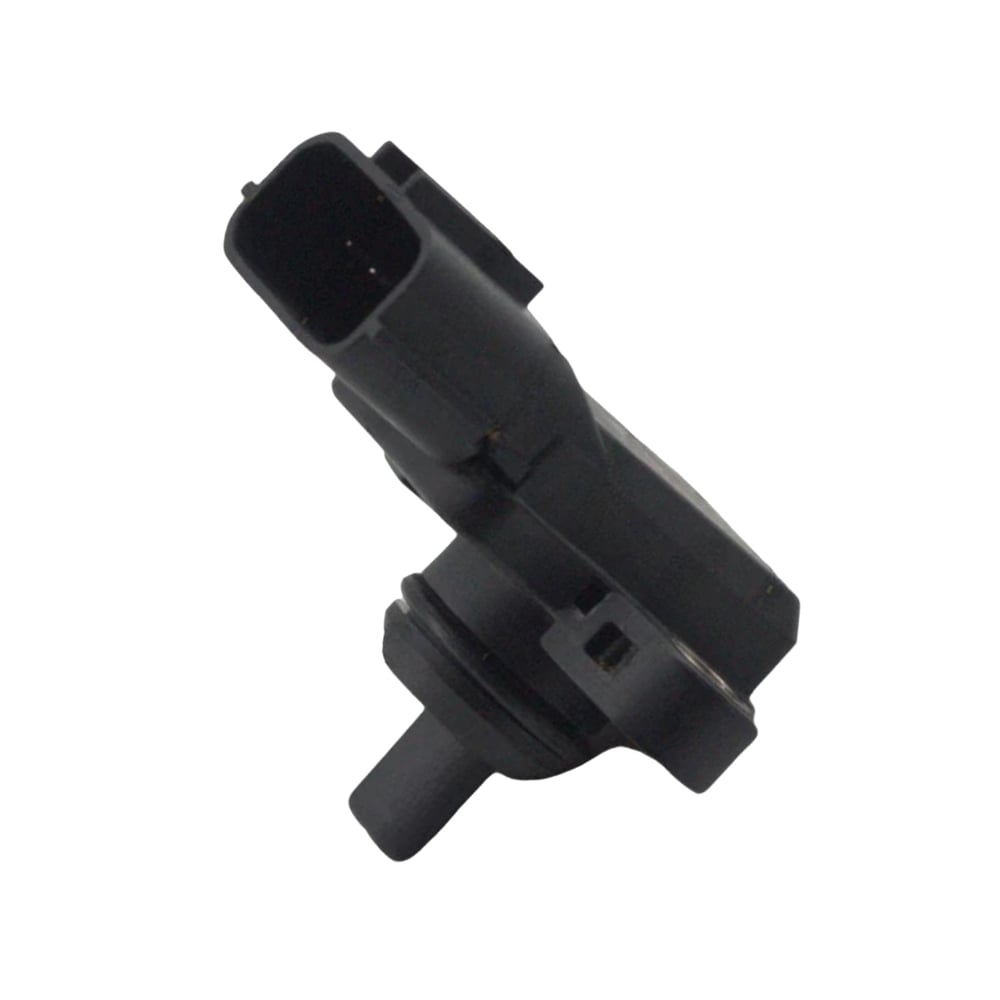
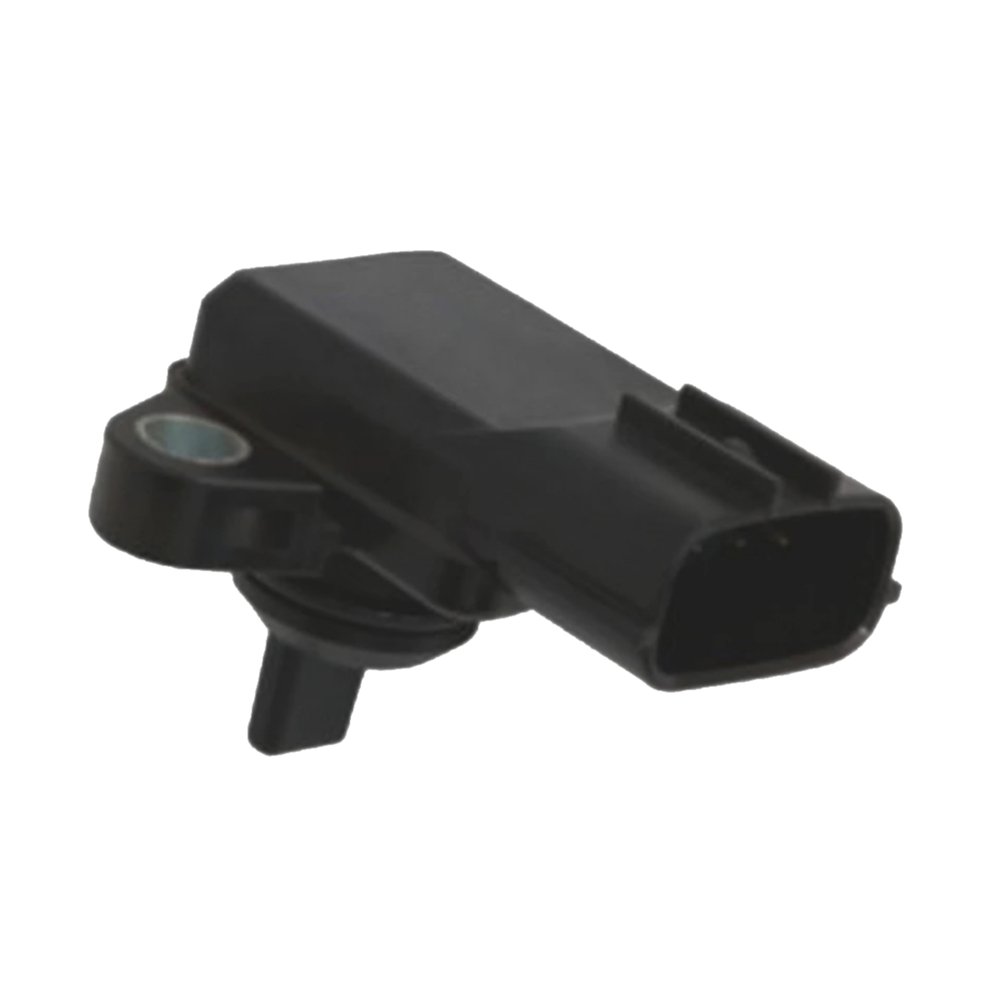
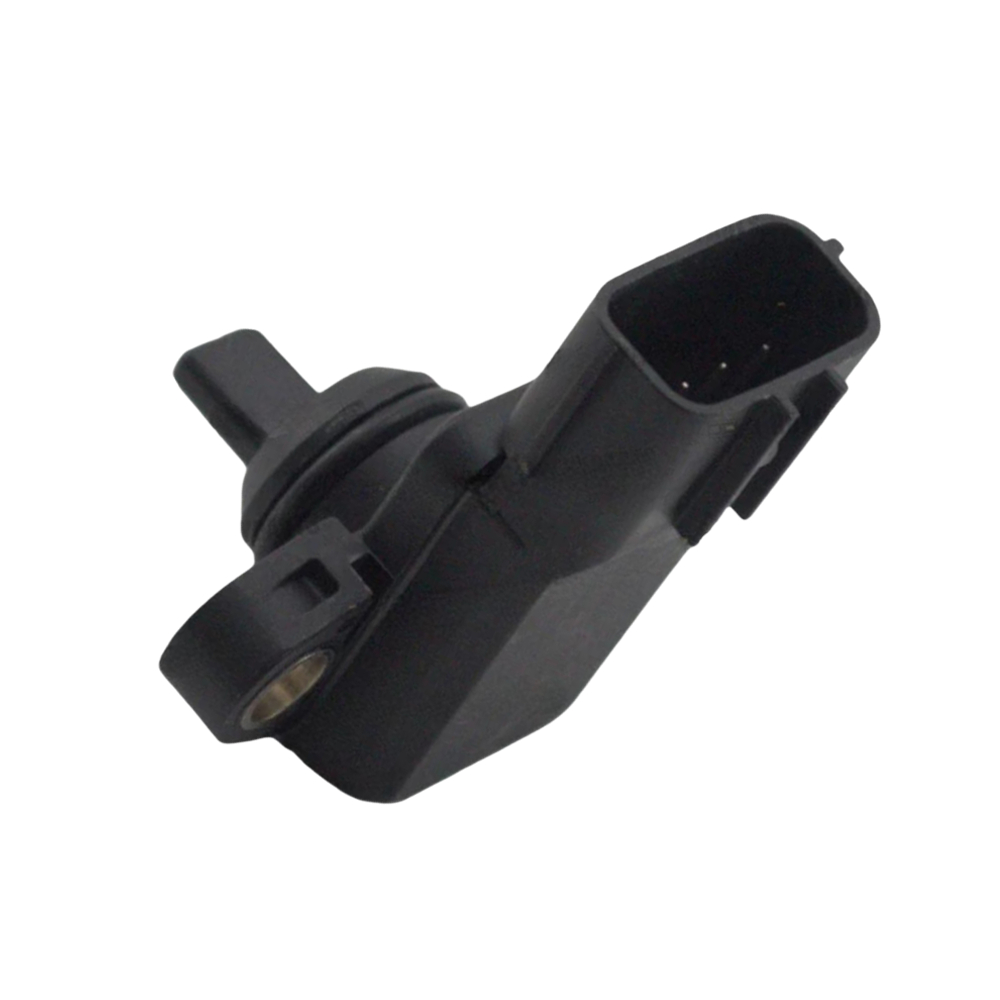
Some of these machines carry two engines, which means two of these, and a spare that is already installed and running. That single fact changes how the part is sold, stocked and diagnosed.
Wholesale, fifty pieces per order. Trade pricing from there.
Four-pin
VX1100 family, AR210 and SX210
Crosses 68F-83688-00, E1T42571, E1T42472, MN143855.
The other engine is your test sensor
20 g
Type |
Absolute pressure sensor (MAP) |
Range |
50–400 kPa absolute |
Output |
Analog voltage |
Connector |
4-pin |
Supply |
5V ± 0.25V |
Accuracy |
±1.5% FS |
Temperature |
−40 to +125 °C |
Ingress |
IP67 |
Housing |
ABS plastic |
Net weight |
20 g |
Wholesale from |
50 pcs |
Model |
Year |
Yamaha Waverunner AR210 FRT1100 |
2006–2011 |
Yamaha Waverunner GP1300R |
2004 |
Yamaha Waverunner SX210 FRT1100 |
2006–2011 |
Yamaha Waverunner VX Cruiser VX1100A |
2007–2012 |
Yamaha Waverunner VX Deluxe VX1100B |
2005–2012 |
Yamaha Waverunner VX Sport VX1100C |
2005–2012 |
Four cross-references: 68F-83688-00, E1T42571, E1T42472 and MN143855. The first is the Yamaha number, the second and third are the manufacturer's own codes, and the fourth is a distributor code. They are one part.
Years are printed because they came with this part. Where a hull is outside one of these ranges, or has been re-engined, confirm against the number on the old unit — a watercraft that has had an engine swapped is more common than a car that has, and the number follows the engine, not the hull.
On a twin-engine boat this part can be convicted in twenty minutes without a scan tool, because the test equipment is already bolted to the other side of the engine bay.
The method.
Note the symptom and which bank it is on.
1. Port or starboard, and what the tacho does when the fault appears. Write it down before you touch anything, because after the swap you will not remember which side was which.
Key off, batteries off.
2. Both engines, not one — these boats share a lot of harness, and the second engine's controller does not like being unplugged from a live bus.
Swap the two sensors
3. , port to starboard and starboard to port. Change nothing else: not the plugs, not the hoses, not the mounting positions.
Run the boat, and see whether the fault moved.
4. If the port engine now behaves and the starboard one does not, the fault travelled with the sensor and the sensor is guilty. If the same bank is still bad, the sensor was innocent, and you have saved the price of a part plus the labour of guessing.
Then put them back where they belong
5. — or fit the new one on the bank that failed, keeping the known-good unit as it was.
Why this works here and almost nowhere else. Every other application in this catalogue needs a reference to compare against: a vacuum pump, a known voltage, a second reading taken under controlled conditions. A twin-engine boat comes with its own reference, running, at the same temperature, on the same fuel.
On the single-engine craft. There is no second bank, so use the ordinary checks: the reading at key-on should equal atmospheric pressure, the reading at idle should be steady, and the reading should swing when the throttle is snapped. If it does all three and the craft still runs badly, look at the intake tract and the fuel system before buying anything.
One thing the swap cannot tell you. If both sensors are failing in the same direction — plausible on a boat that sat in the same salt air for the same years — the fault will not appear to move, and both need replacing. That is not a flaw in the method; it is information.
Field |
Value |
Brand |
RUNTONG |
Part number |
RB-PS010 |
OEM cross-reference |
68F-83688-00 · E1T42571 · E1T42472 · MN143855 |
Type |
Intake manifold absolute pressure sensor |
Pressure range |
50–400 kPa absolute |
Output |
Analog voltage |
Connector |
4-pin |
Supply voltage |
5V ± 0.25V |
Accuracy |
±1.5% FS |
Operating temperature |
−40 to +125 °C |
Ingress protection |
IP67 |
Housing material |
ABS plastic |
Net weight |
20 g |
Supplied with |
Sensor and washer |
Inner packing |
Zip bag |
Carton size |
6.5 × 6 × 5 cm |
Certification |
ISO 9001 |
Warranty |
12 months |
Wholesale minimum |
50 pcs |
Custom printed carton |
From 1,000 pcs |
Dispatch |
7 days from stock; 15–30 days for a production lot |
Freight |
Air, sea, or land |
Sensor and washer into a zip bag, then a neutral carton of 6.5 × 6 × 5 cm. Twenty grams each; a hundred units is a single carton a courier will handle without complaint.
For this application the bag matters more than usual. These parts are fitted by people working over water, on a trailer, in the wind — and a washer dropped on a ramp is gone. Keeping it attached to the body until the moment of fitting is the difference between a job finished and a job abandoned.
Neutral carton, no manufacturer's name. Powersports dealers often sell under their own label, and a plain box is what makes that possible without a conversation about trademarks.
Custom cartons from 1,000 pieces, one design, proof approved in advance.
Twenty minutes per sensor, and the only real risk is the connector.
1. Battery switch off — on a boat, that means the isolator, not the key.
Record the key-on reading first
2. , on the bank you are about to work on. On a twin-engine boat, also note the other bank's reading: they should be close, and the difference is your baseline.
3. Release the connector latch and pull straight. Salt makes these plugs stiff; press the tab fully before pulling, and never lever the shell.
4. One screw or clip, sensor out, port covered — an open intake on a boat invites everything the wind is carrying.
5. New washer, sensor square, snug only. Plastic flange, metal body.
A thin film of dielectric grease in the plug cavity
6. before it goes back on. It is the cheapest thing you will do to this part all year.
7. Reconnect until it latches, tug to confirm, and route the hose clear of the exhaust manifold and away from where the cowling presses.
8. Key on, engine off: the value should match step 2. Start, idle, then run it on the water — a boat that only misbehaves under load will pass every test on the trailer.
Dispatch. Seven days from stock, three to four weeks for a produced lot.
Freight. Air, sea or land, as you prefer. These are light and bulky; air is often the practical choice below a few hundred units.
Tax. Duty and VAT with the buyer unless DDP is agreed in writing first. One classification per shipment, stated on the invoice and not revised after departure.
Warranty. Twelve months against defects in manufacture, batch-wide, covering the sensor and its seal. Not covered: corroded terminals caused by water ingress at the plug, a broken latch, a cracked flange, or a sensor fitted without its washer. On this application, water in the connector is the exclusion that matters, and section 5 explains why it happens.
Four. Confirm against the plug on the craft.
One for a VX. Two if you have an AR210 or SX210 — each engine carries its own.
That model year is in the list in section 6. Confirm against the number on the old sensor.
Maybe. Section 7 describes the swap test, which on a twin-engine boat answers the question without a scan tool.
It clears the sensors as a pair only if both were healthy to begin with. If both have aged the same way, both can be drifting and the fault will stay on the same bank.
Because the connector, not the sensor, is what fails on these machines. Section 5 is about owner behaviour rather than the part.
Fifty is the wholesale minimum. Take one sample at full price for a single ski.
A thousand of one design, with the p
Bajaj Pulsar 135 Rouser 135 240mm Motorcycle Front Brake Disc Plate
Rear Wheel Speed ABS Sensor for Yamaha XMAX 125, 300 and 400 — B74-H5980-01
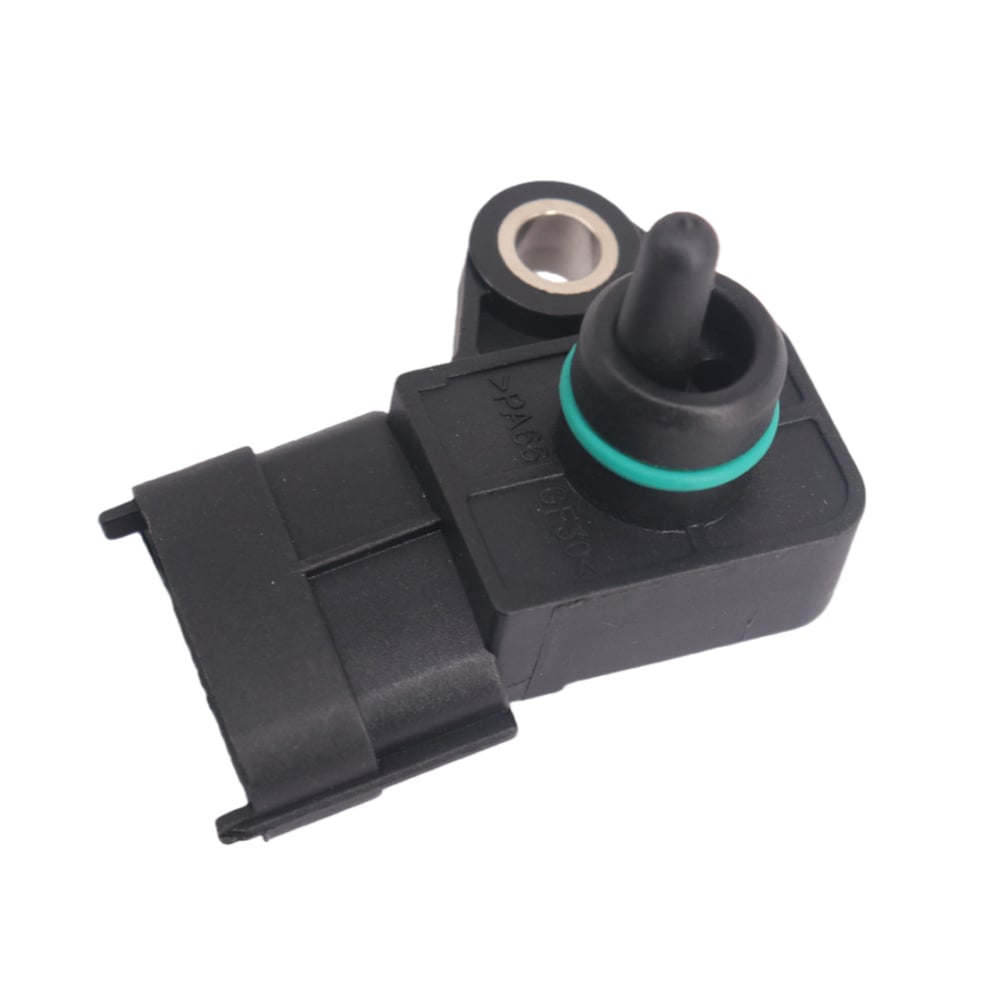
Intake Manifold Pressure Sensor for Hyundai Sonata and Kia K5 / Optima — 39300-2B000, 39300-2B100
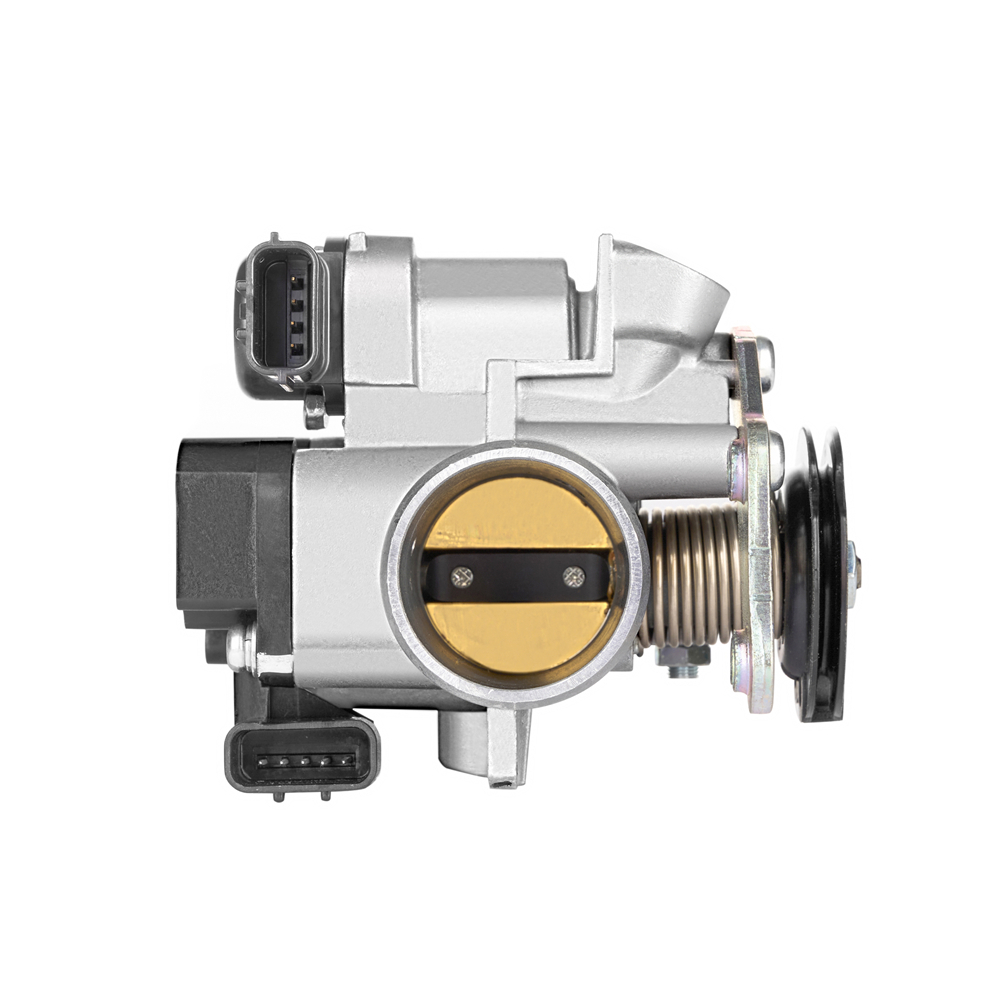
28 mm Throttle Body for the Yamaha NMAX 125 / 150 / 155 — 2DP-E3750-00 / -03 / -04