
 EN
Quick Links

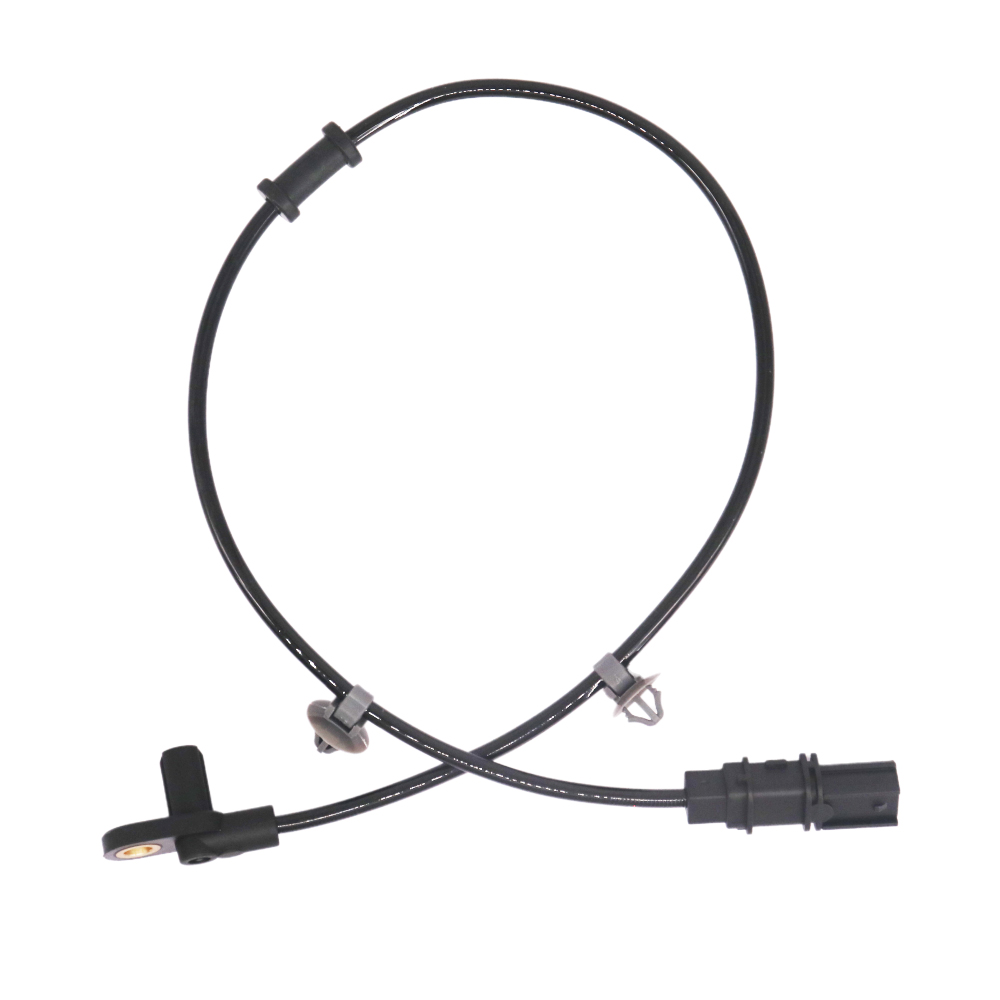
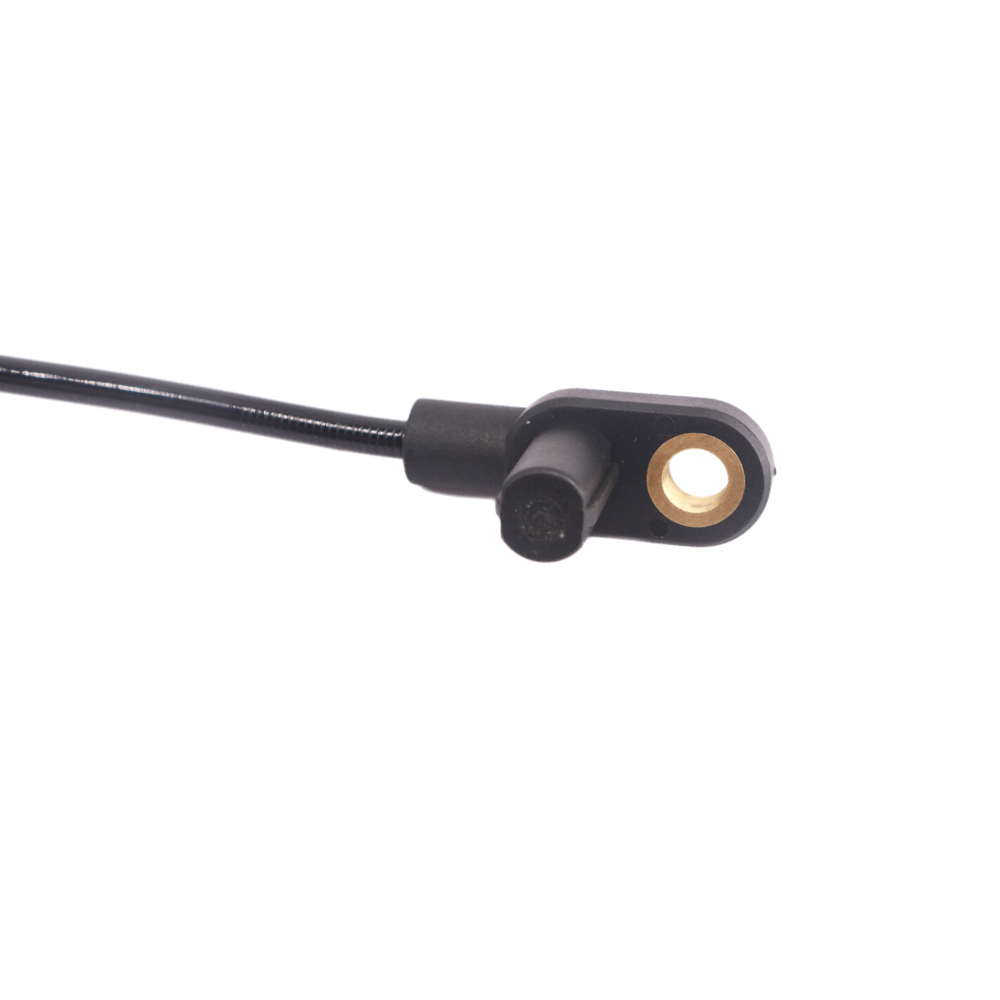
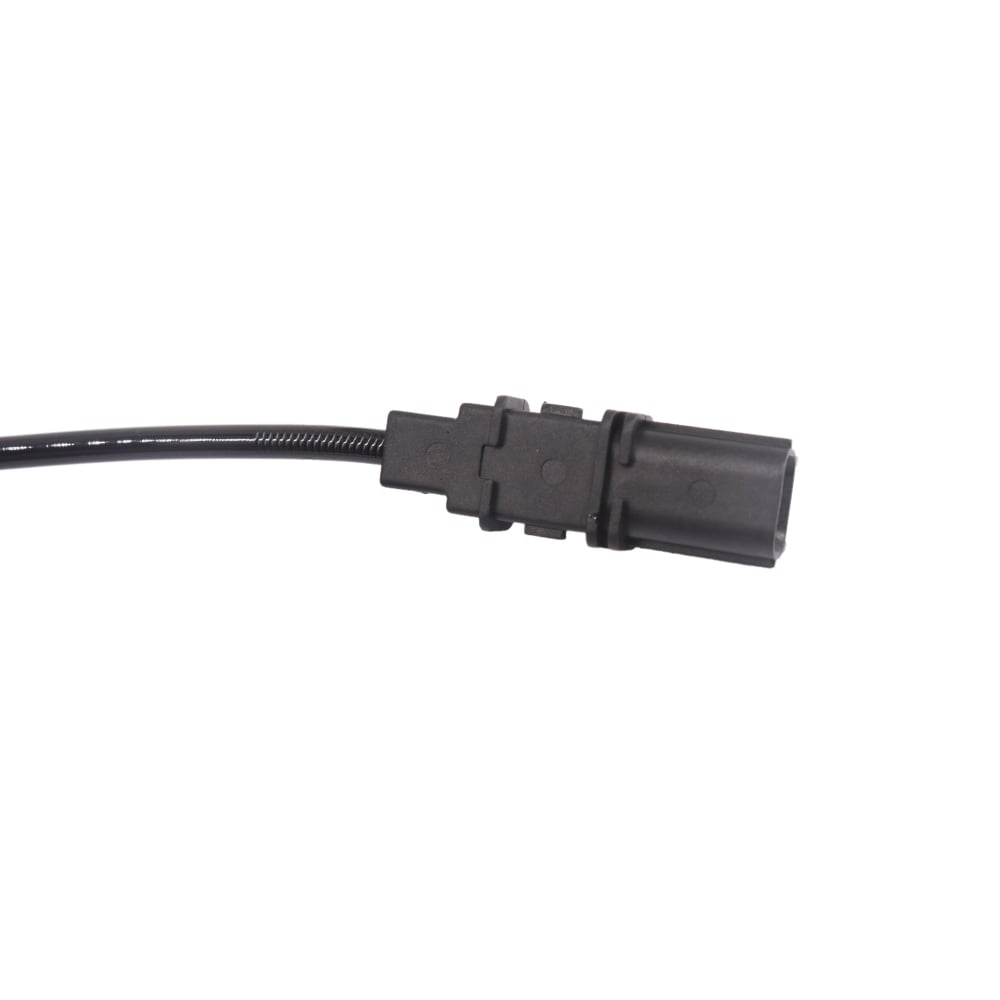
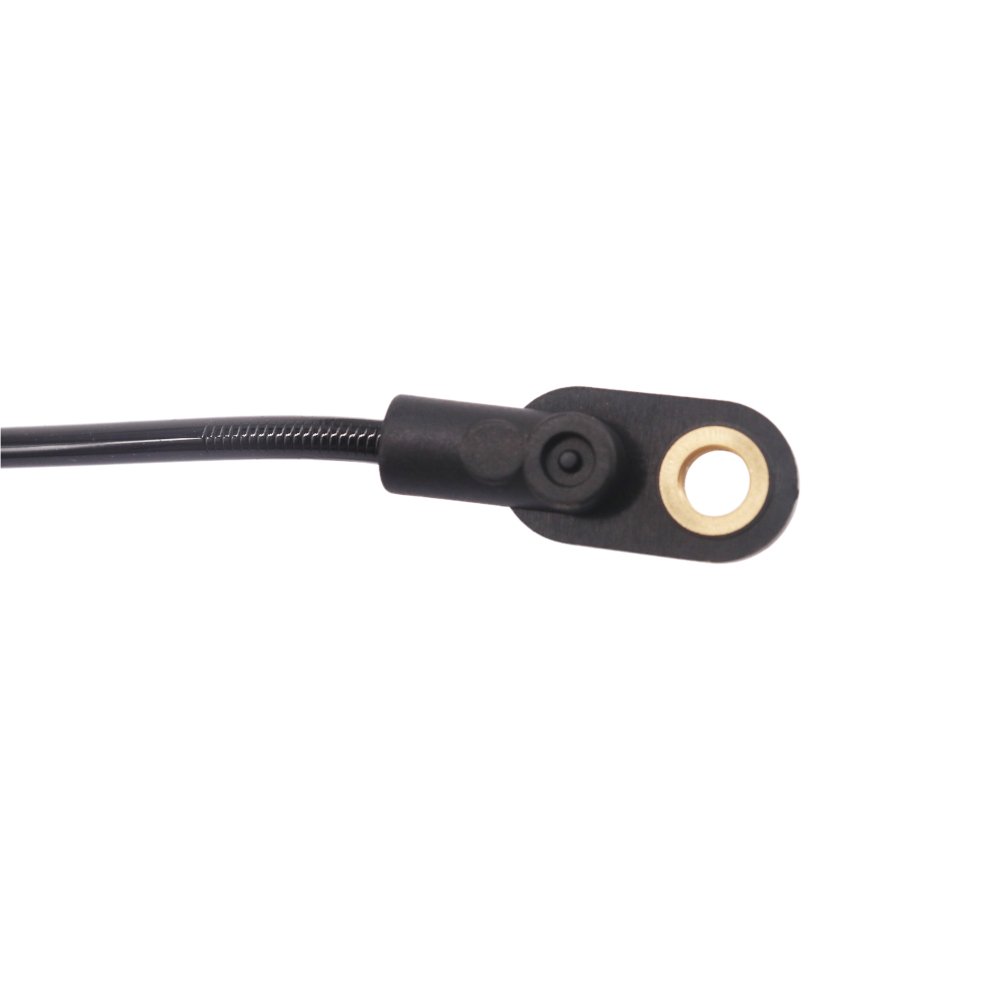
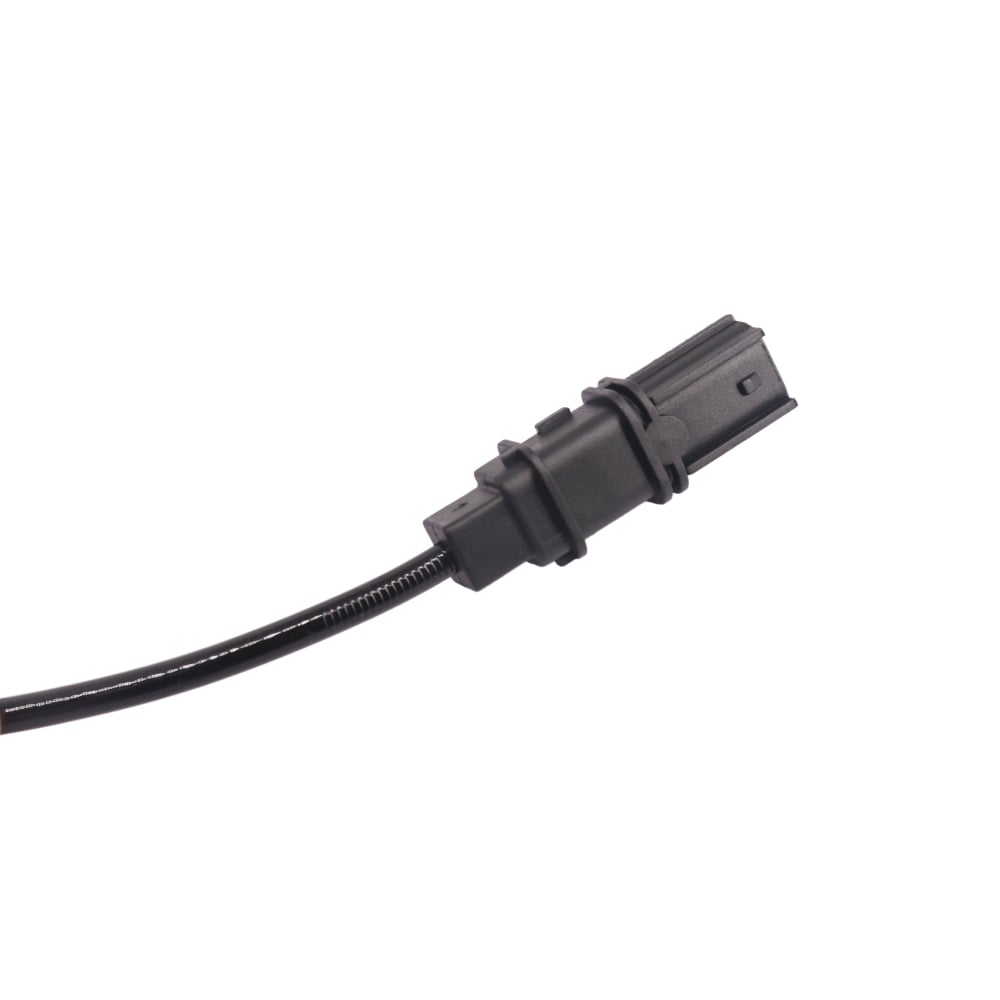
Most of these do not fail because they wore out. They fail because something was added, fitted or run alongside them — a top box, a charger, an alarm, a panel that came off and went back on.
Wholesale opens at a hundred pieces.
Rear wheel only.
Front is 38520-K1B-T21-M1.
Forza 350 / NSS350.
Active Hall
, 30 g, −40 to +150 °C, IP67, ISO 9001.
The last modification is the first suspect
— section 4.
Ask what was fitted before you meter anything
— section 7.
Hundred-piece minimum
, seven days off the shelf, twelve months.
Type |
Wheel speed sensor, rear |
Principle |
Active Hall |
Output |
Square wave or current pulse |
Position |
Rear wheel |
Tone ring |
Not included |
Model |
Forza 350 / NSS350 |
Temperature |
−40 to +150 °C |
Ingress |
IP67 |
Weight |
30 g |
Wholesale from |
100 pcs |
A maxi-scooter like this one collects accessories. A top box with a brake light, a USB charger, a tracker, heated grips, an alarm, a phone mount wired into the loom. Each one is a small electrical job done by somebody — sometimes a dealer, sometimes the owner on a Sunday.
What those jobs do to a wheel sensor.
through a panel, straight into the loom that runs behind it.
pushed through insulation to find an ignition live, on a wire that shares a run with the sensor lead.
pulled tight over the sensor lead to tidy a new cable, creating a pinch point that flexes every time the suspension moves.
with the sensor lead trapped behind it, so the insulation is crushed but nothing is broken yet.
Why the fault appears later. None of those produce an immediate failure. They produce a lead with a weak point, and the weak point shows up as an intermittent lamp weeks later — usually after rain, a bump, or a pillion. By then the accessory is forgotten, and the sensor takes the blame.
What to do about it at the counter. Before quoting a part, ask what was fitted recently — and if the answer is "a top box in March", look at the loom behind the rear panels before you look at the sensor.
It is the driven wheel. Everything the engine puts down passes through this end, and the sensor's bracket lives with that.
Brake dust. The rear disc or drum sheds material continuously, and the sensor sits close enough to collect it.
Final drive and CVT mist. Behind the clutch there is oil, and a seal that weeps sends a film rearward that holds dust where it lands.
Tyre changes. On this model the rear wheel comes out with the exhaust moved aside and the caliper off — a lot of disturbance around a small part, and the usual moment when a lead gets pinched or a bracket gets leaned on.
Load. A pillion and luggage change the forces through the rear end, and the sensor and its bracket are in that load path rather than sheltered from it.
What it does not see is the low-speed fall on the front that damages front sensors. This end fails from maintenance, contamination and accessory wiring — three things that all happen while the machine is standing still.
Model |
Honda Forza 350 |
Honda NSS350 |
Rear wheel. The front sensor is 38520-K1B-T21-M1 — a different number, a different lead length, a different route. The two do not interchange.
One model family. No other Honda is claimed.
Tone ring not included.
OEM cross-reference: 38510-K1B-T21-M1.
On this machine the history does more work than the meter, and it costs nothing to take.
Question one: has anything been added in the last six months? Top box, charger, alarm, tracker, grips, a new screen, a phone mount. If yes, the loom behind the rear panels is a suspect before the sensor is.
Question two: has the rear wheel been off? A tyre, a disc, a pad change, a bearing. Any of those is a chance for the lead to be trapped or the bracket to be leaned on.
Question three: does the lamp care about weather? Rain, a wash, a damp morning only — that points at a connector, not at the sensing element.
Question four: does it care about load? Only with a pillion or luggage, only over bumps — that points at a lead being flexed at a pinch point, which is the accessory-installation signature.
Then meter it. Ignition on, rear wheel spun by hand: an active sensor reports from walking pace. A clean reading with a lamp still on means the fault is upstream — and after accessory work, upstream is exactly where it usually is.
Field |
Value |
Brand |
RUNTONG |
Part number |
RB-ABS009 |
OEM cross-reference |
38510-K1B-T21-M1 |
Type |
ABS wheel speed sensor |
Position |
Rear wheel |
Principle |
Active Hall |
Output |
Square wave or current pulse |
Tone ring |
Not included |
Mounting |
Original fixing points, direct replacement |
Operating temperature |
−40 to +150 °C |
Ingress protection |
IP67 |
Housing |
ABS plastic |
Weight |
30 g |
Supplied with |
Sensor and washer |
Inner packing |
Zip bag |
Carton |
6.5 × 6 × 5 cm, 100 pcs |
Certification |
ISO 9001 |
Warranty |
12 months |
Wholesale minimum |
100 pcs |
Custom printed carton |
From 1,000 pcs |
Dispatch |
7 days from stock; 15–30 days to build |
Freight |
Air, sea, land |
Each sensor goes into a bag with its washer, then a plain carton of 6.5 × 6 × 5 cm, a hundred units to the box.
30 g is the lightest unit we list for this model family — cheap to fly, easy to add to a mixed order, and no weight argument for sea freight at all.
Keep the front and rear cartons apart. The numbers differ in one digit and the housings look alike; a shelf where both sit together needs the labels facing out, or the picking error is only a matter of time.
Plain cartons, no marque. Printed from 1,000 pieces, one design, proof agreed before printing.
1. Ignition off. Photograph the lead's route behind the panels and along the swingarm before anything moves.
2. Release the connector latch; the lead is not a handle.
3. Undo the single fixing bolt completely and draw the body out square.
4. Clean the face and the ring, and clear any brake dust or oil film from the gap.
5. Washer on, body flat against its face, torque to the machine's figure — no shims, no prising the bracket.
6. Route the lead as photographed — and
do not add a zip tie
where one was not before. If a tie is needed, leave slack so the lead is not loaded in suspension travel.
7. Ignition on, spin the wheel, confirm the reading moves. Road-test with the load the customer actually carries, then re-check the lamp before handover.
Dispatch. Seven days where stock exists; three to four weeks for a scheduled production lot.
Freight. Air, sea or land. At 30 g a unit, the cargo cost is trivial and the customs entry is what you are paying for.
Tax. Duty and VAT stay with the buyer unless DDP is agreed in writing. The invoice names the function — wheel speed sensor — and no manufacturer is named on the documents, the carton or the part.
Warranty. Twelve months, batch-wide, covering sensor and seal. Excluded: impact damage, a face ground or cracked, a lead cut, pinched or spliced, a latch broken at removal, a body levered or over-torqued, and a lead damaged by accessory wiring or a fitter's zip tie.
Rear. The front is 38520-K1B-T21-M1.
No. The ring stays on the machine.
Possibly, and often. Check the loom behind the rear panels for a screw, a probe or a tie before buying a sensor.
Ignition on, spin the rear wheel by hand, watch the speedometer. An active sensor reads from walking pace.
No. It is our part, cross-referenced to a Honda number, and we are not a Honda supplier.
A hundred is the trade minimum; for one machine, buy one at retail first and keep the box.
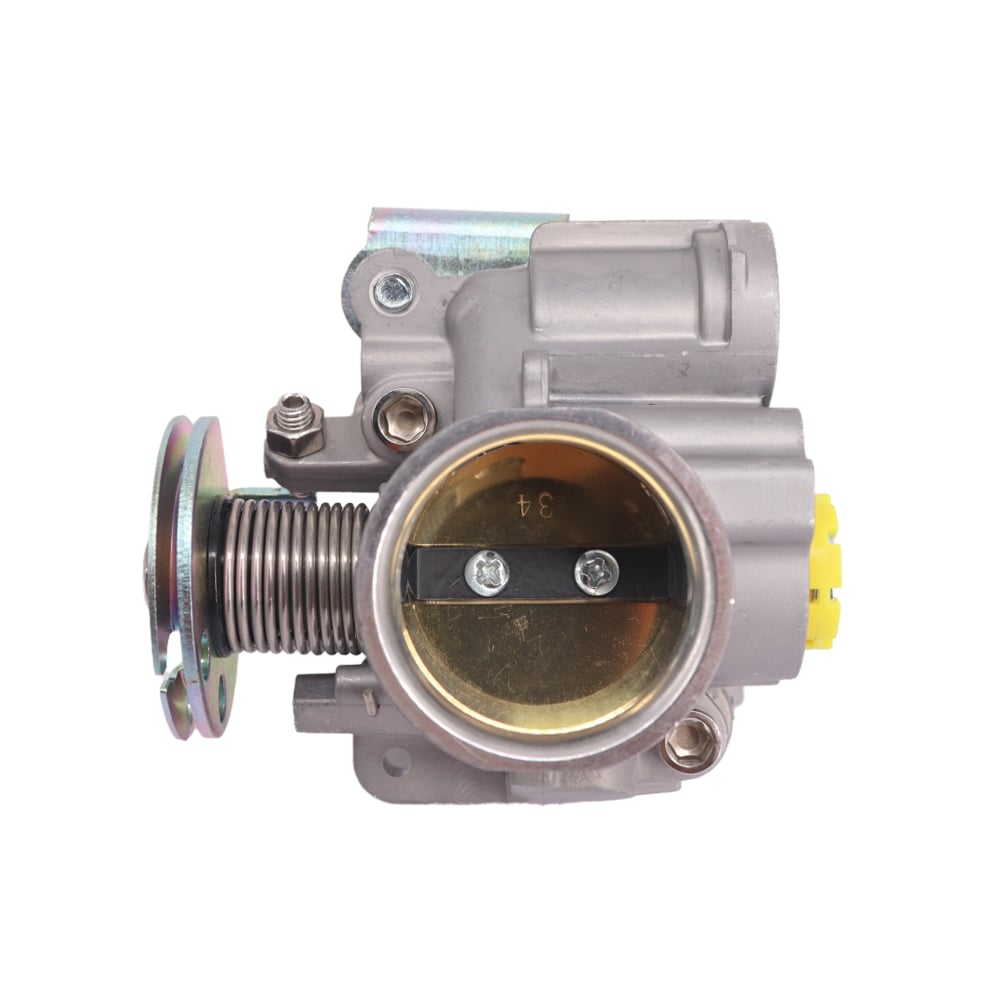
Yamaha AEROX150 AEROX155 NVX155 AEROX NVX 155 Motorcycle Throttle Body
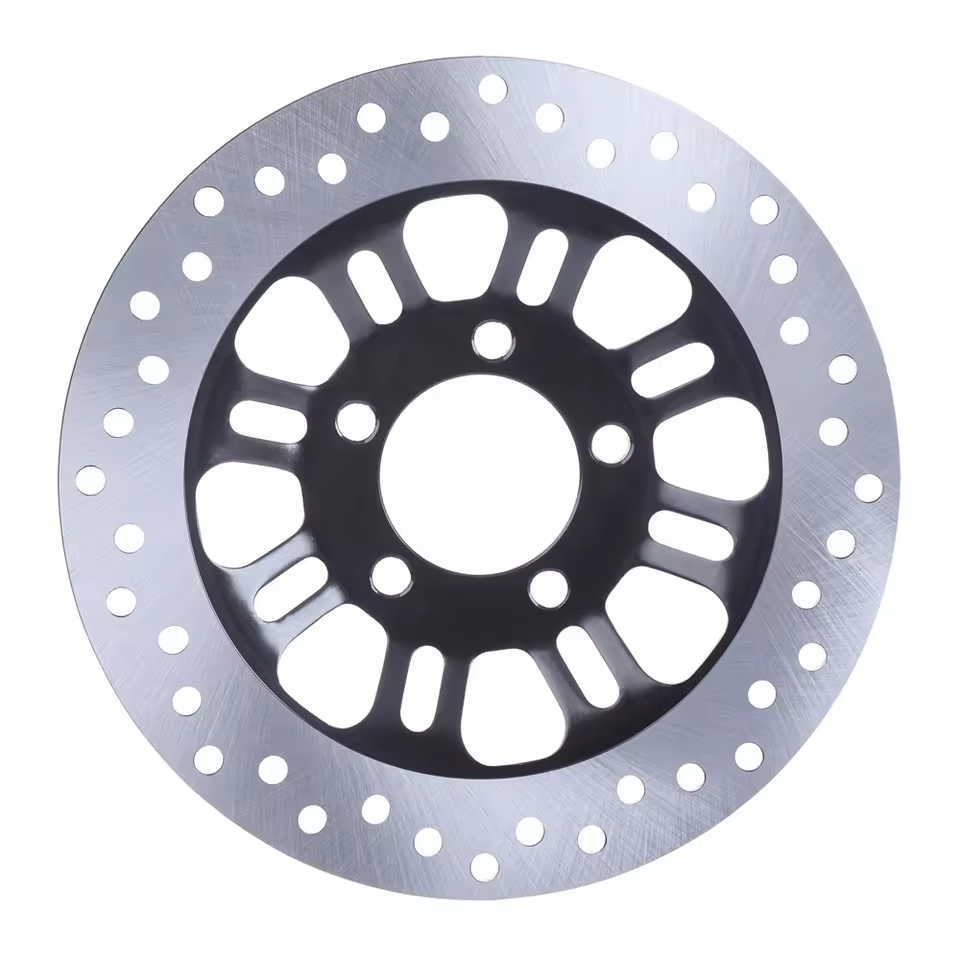
240mm Brake Disc Honda CG 160 Titan Fan Cargo
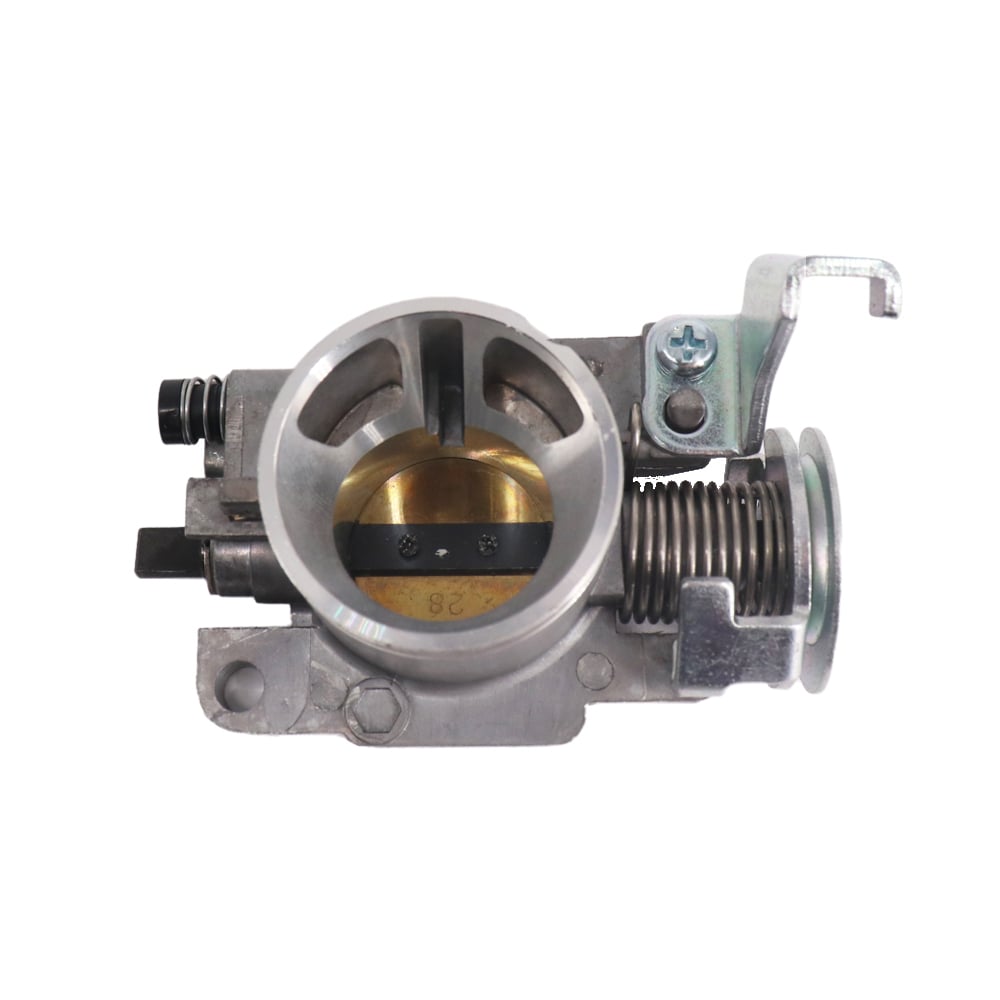
Honda Wave 110i / 125i Throttle Body — Product Page Copy (EN, US/EU)
26 mm Throttle Body for the Vespa Sprint 150 / Primavera 150 / Piaggio Liberty 150 — 58282R