
 EN
Quick Links

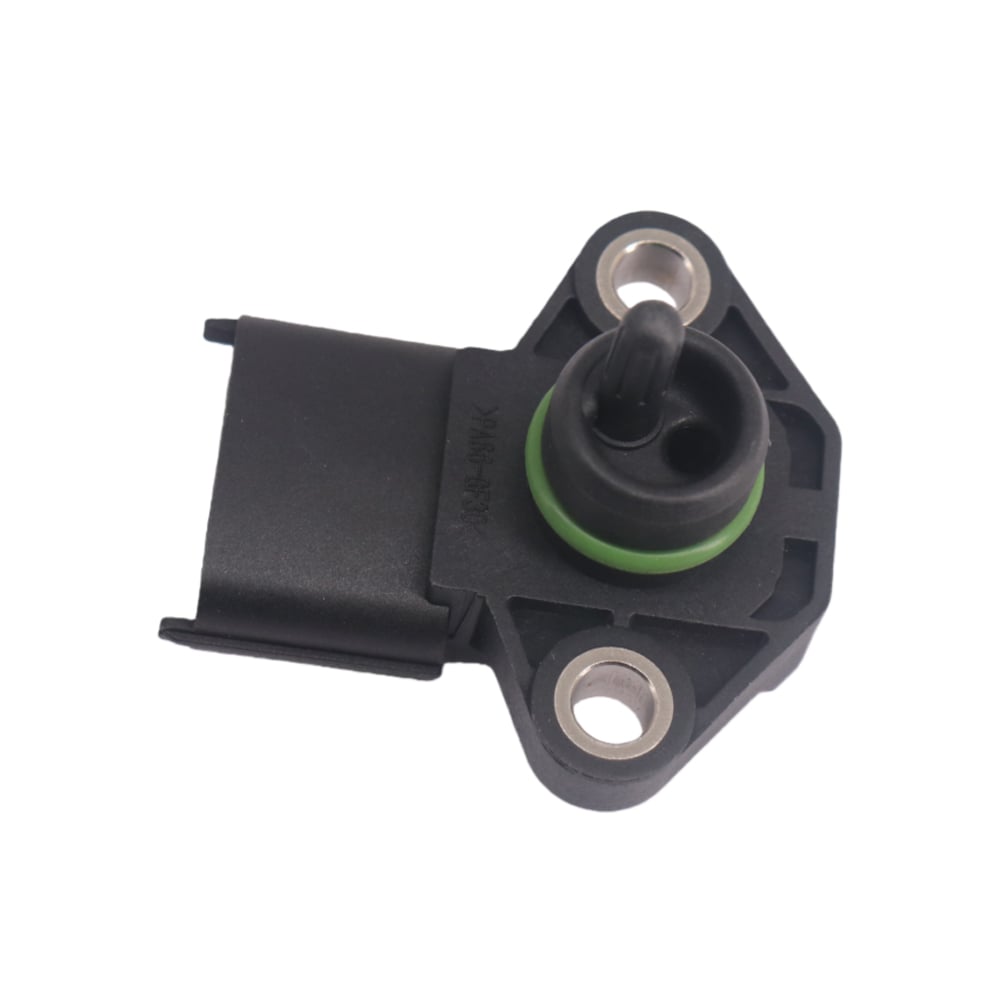
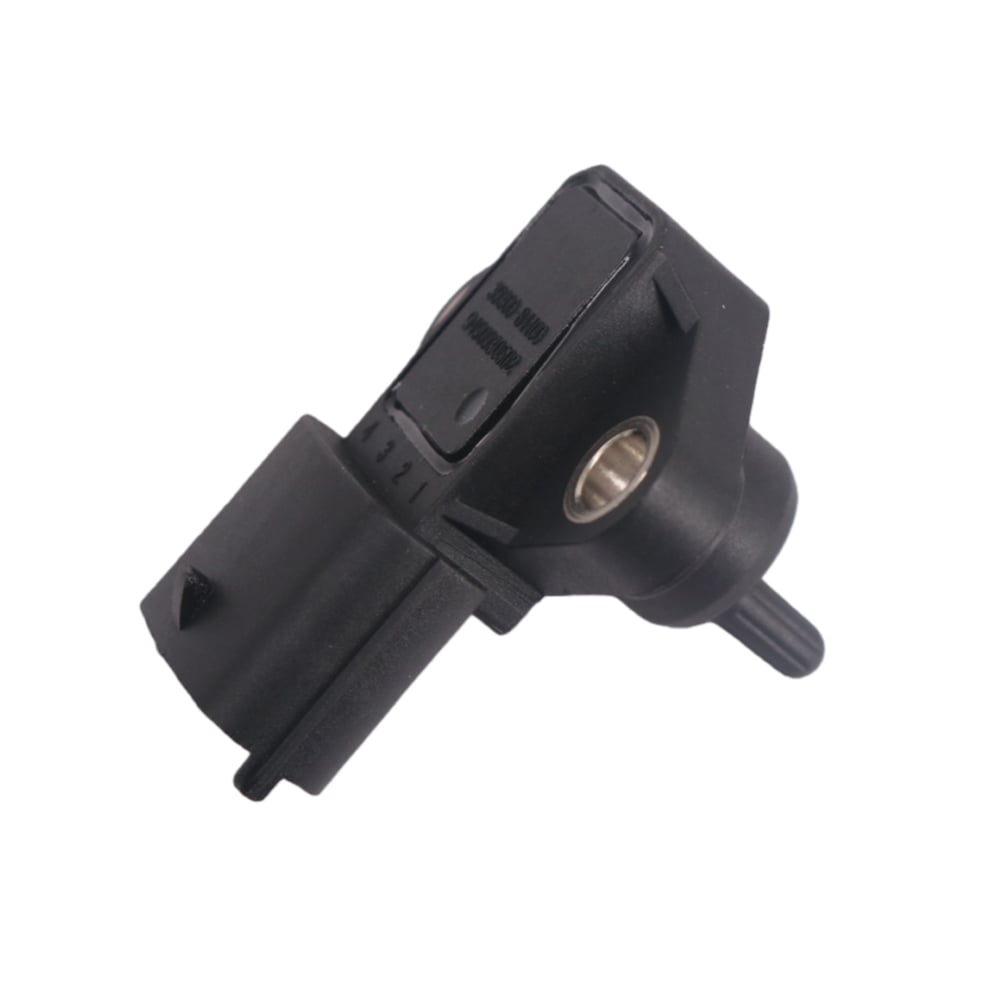
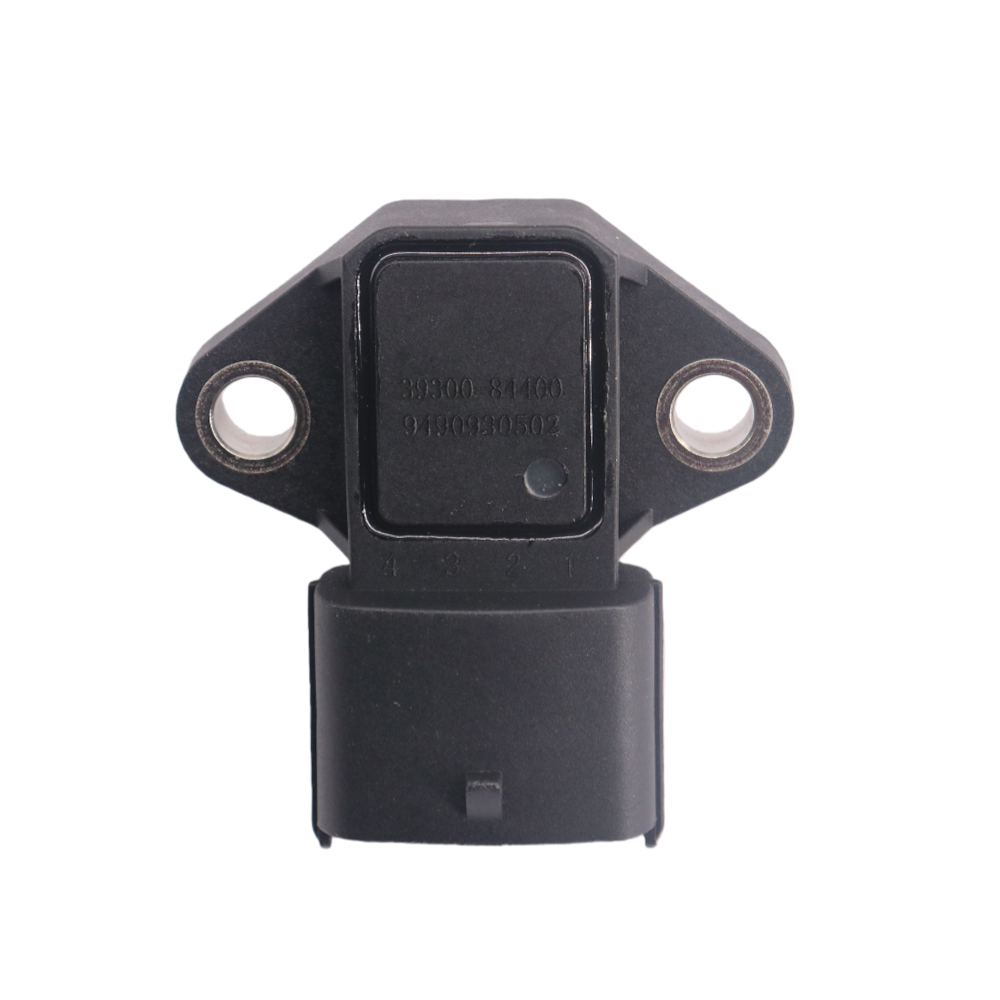
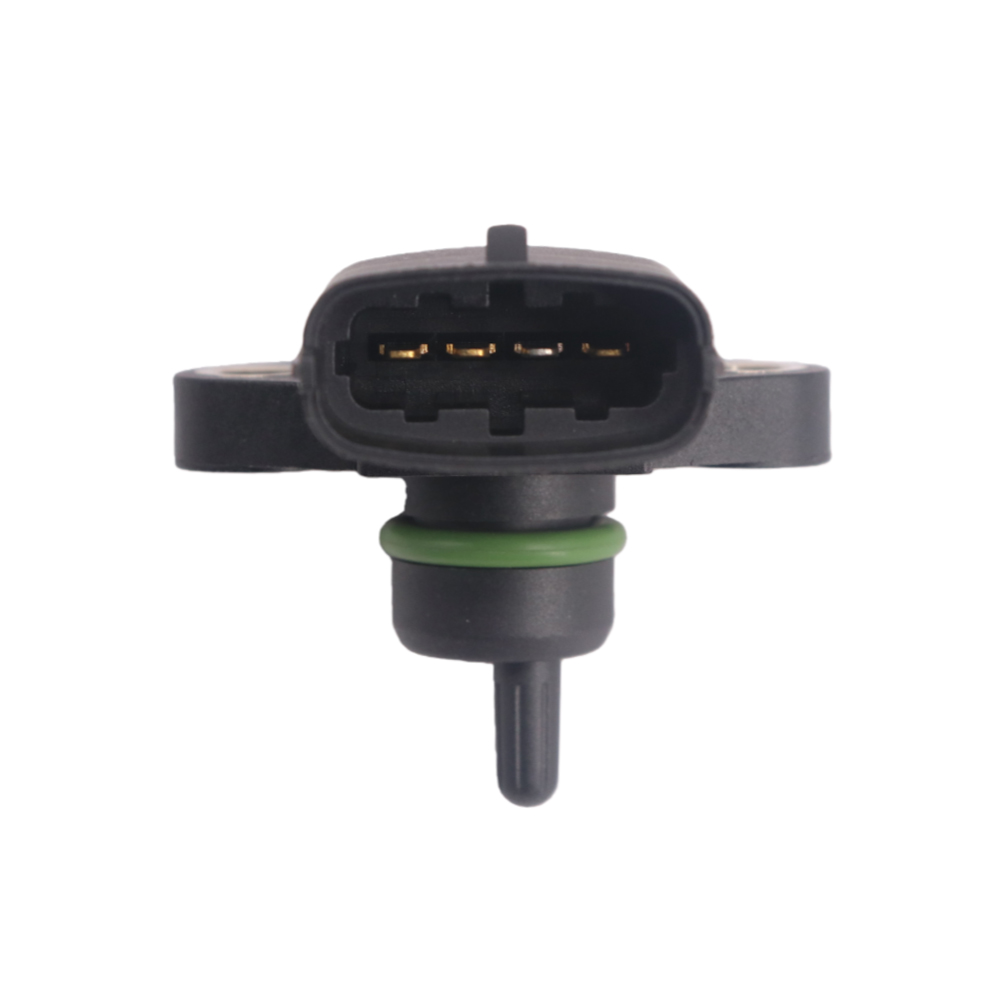
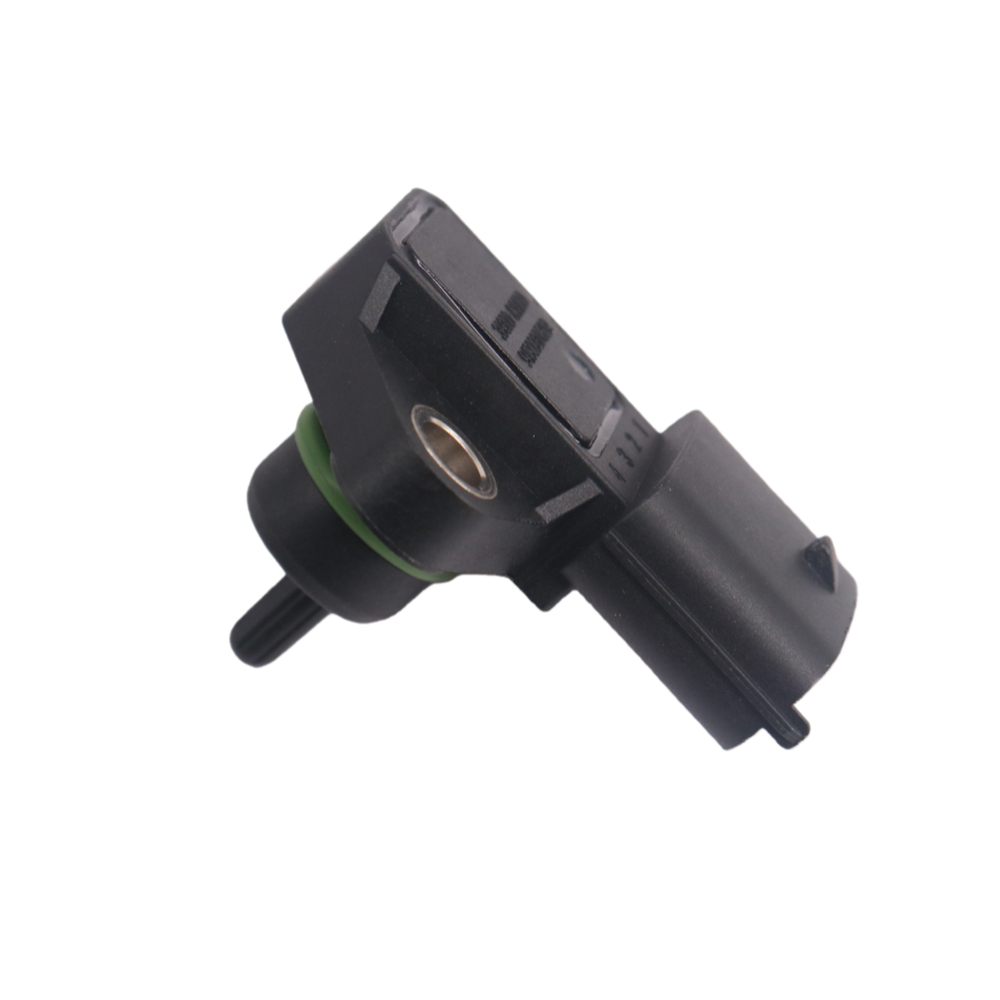
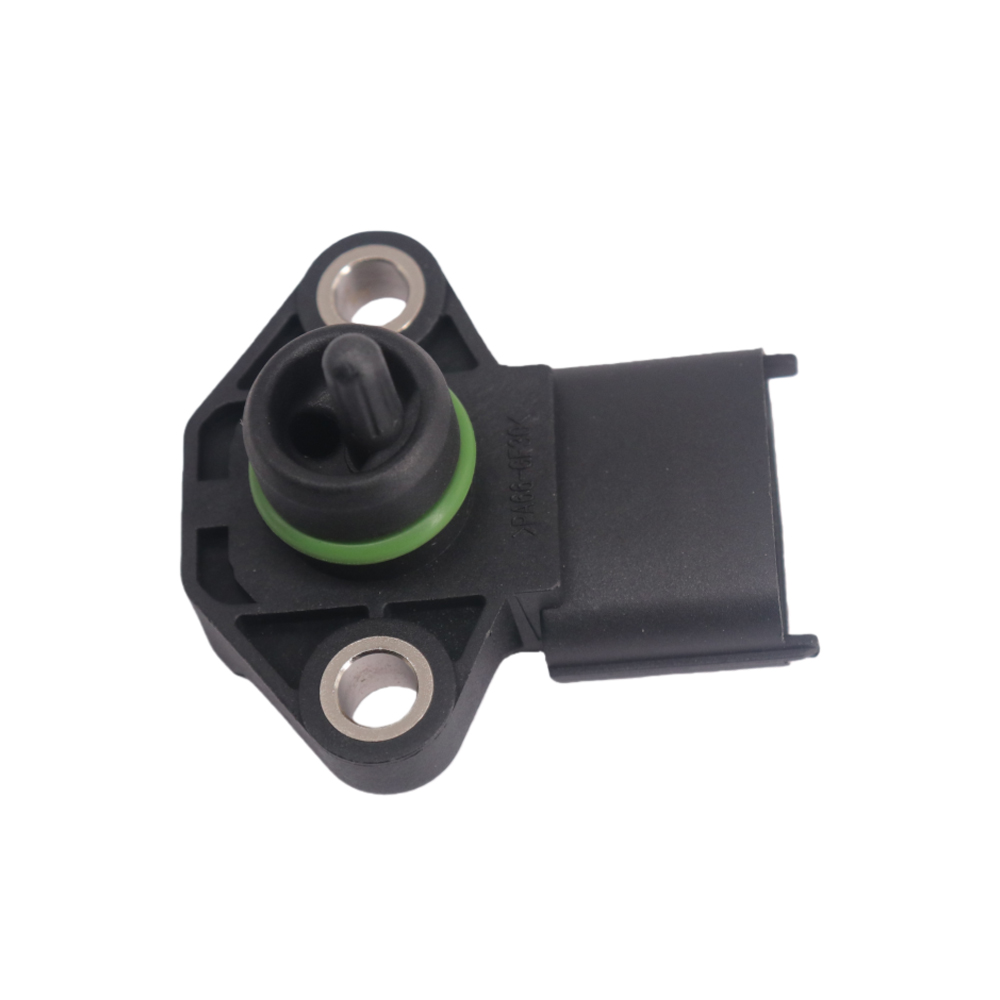
Four cavities, not three. On these engine families that difference decides whether the plug goes on at all, and it is the first thing to check before anyone talks about pressure ranges.
Wholesale from 50 pieces. Trade pricing starts at that quantity.
Four-pin connector
Absolute pressure, 50–400 kPa
Crosses 94909-30503, 39200-27400, 39200-42020, 39200-42030.
5V ± 0.25V supply
25.7 g
From 50 pieces
Type |
Absolute pressure sensor (MAP) |
Range |
50–400 kPa absolute |
Output |
Analog voltage |
Connector |
4-pin |
Supply |
5V ± 0.25V |
Accuracy |
±1.5% FS |
Temperature |
−40 to +125 °C |
Ingress |
IP67 |
Housing |
ABS plastic |
Net weight |
25.7 g |
In the bag |
Sensor and washer |
Carton |
6.5 × 6 × 5 cm |
Wholesale from |
50 pcs |
Field |
Value |
Brand |
RUNTONG |
Part number |
RB-PS019 |
OEM cross-reference |
94909-30503 · 39200-27400 · 39200-42020 · 39200-42030 |
Type |
Intake manifold absolute pressure sensor |
Pressure range |
50–400 kPa absolute |
Output |
Analog voltage |
Connector |
4-pin |
Supply voltage |
5V ± 0.25V |
Accuracy |
±1.5% FS |
Operating temperature |
−40 to +125 °C |
Ingress protection |
IP67 |
Housing material |
ABS plastic |
Net weight |
25.7 g |
Supplied with |
Sensor and washer |
Inner packing |
Zip bag |
Carton size |
6.5 × 6 × 5 cm |
Certification |
ISO 9001 |
Warranty |
12 months |
Wholesale minimum |
50 pcs |
Custom printed carton |
From 1,000 pcs |
Dispatch |
7 days from stock; 15–30 days for a production lot |
Freight |
Air, sea, or land |
Sensor and washer into a zip bag, bag into a neutral carton of 6.5 × 6 × 5 cm. At 25.7 g this is still a postal parcel rather than a freight item, and a hundred pieces fits in a shoebox.
Two things travel badly. The connector shell, which is the most exposed part of an ABS housing, and the seal face. The bag holds the washer against the body so the two do not abrade each other in transit — a small detail that decides whether the seal still seals on arrival.
Do not stack cartons on a pallet without a liner. These are light, hollow-ish parts; a pallet loaded to a tonne will crush the bottom layer's shells and you will find out at the customer's counter, not ours.
Printed cartons from 1,000 pieces, one design, approved before the run.
Thirty minutes, most of it spent being careful with a twenty-year-old plastic connector.
1. Battery negative off, then wait. The controller needs to be asleep, not merely unpowered.
2. Find the sensor on the intake. One retaining screw or clip; the connector faces outward on both applications.
3. Release the latch on the plug and pull straight back.
Never lever against the housing
— the shell is ABS and the latch tab is the first thing to break, after which the plug is held by friction and vibration alone.
4. Screw out, sensor lifted, and the port covered with a rag while it is open. Anything dropped into an intake becomes a cylinder's problem.
5. Old washer off, new one on, sensor seated square and flush to its face. Snug only: a plastic flange against aluminium has no torque to spare, and a cracked flange is a permanent vacuum leak.
6. Plug on until the latch clicks, then pull gently to prove it. Route the loom with slack at the connector — strain at the plug is what fatigues the solder joints in section 5.
7. Battery on, key on, engine off. Read the pressure value: it should sit at atmospheric pressure for your altitude, which proves both that the port is sealed and that the sensor is alive.
8. Start, idle, snap the throttle, watch the number move both ways. Road-test through a heat cycle before the car goes back.
Dispatch. Seven days where stock exists, three to four weeks when a lot is produced.
Freight. Air, sea or land as you prefer. On a hundred pieces the freight is trivial next to the customs entry, so consolidate rather than split.
Tax. Import duty and VAT rest with the buyer unless DDP is agreed in writing. The classification we state on the invoice is the one the shipment travels under and does not get rewritten afterwards.
Warranty. Twelve months against defects in manufacture, batch-wide, covering the sensor, its connector and its seal. Not covered: a broken latch tab from levering the plug, a cracked flange from overtightening, a sensor installed without its washer, or a fault traced afterwards to a rubbed loom — which, on a four-pin connector with a long run to the intake, is a genuinely common ending.
Four. Count the cavities in your plug before ordering — this is not interchangeable with three-pin sensors used elsewhere in the range.
Both. The number serves Genesis and Cerato applications as listed in section 6.
They are the numbers this function was catalogued under. Fit by the number printed on the part you remove.
We publish what we have been given: four pins, 5V supply, analog output, 50–400 kPa. The function of the fourth terminal belongs to the number, and we will not invent an assignment for it.
Yes, if the fault is intermittent. Section 7 is about exactly that case, and it starts with the freeze-frame rather than the meter.
25.7 g against 14–15 g on our smaller units. Weight suggests a potted body but does not prove one; we would rather show you the figure than dress it up as a guarantee.
50 is the wholesale minimum. Take one sample at full price first if the application is new to you.
From 1,000 pieces, single design, proof agreed before printing.
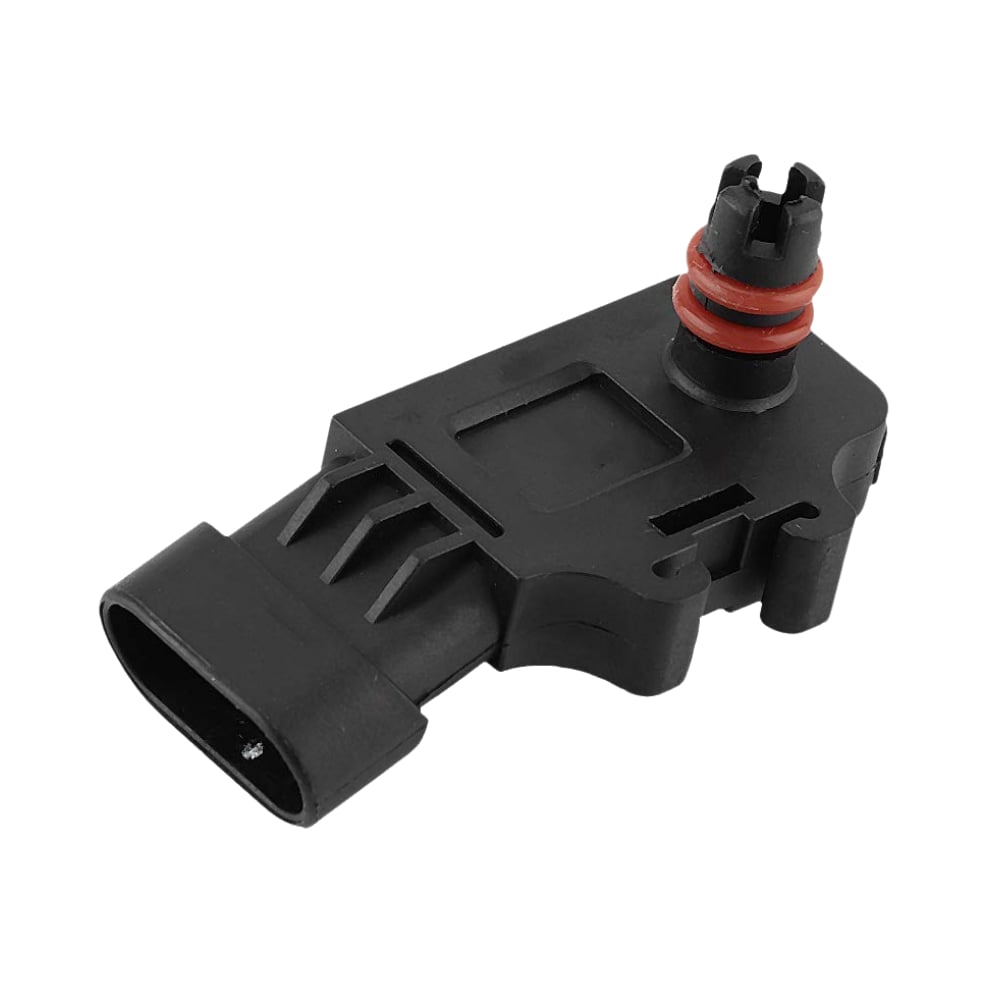
Opel Chevrolet Mitsubishi JMC Landwind Chery 28086011 Intake Manifold Pressure Sensor
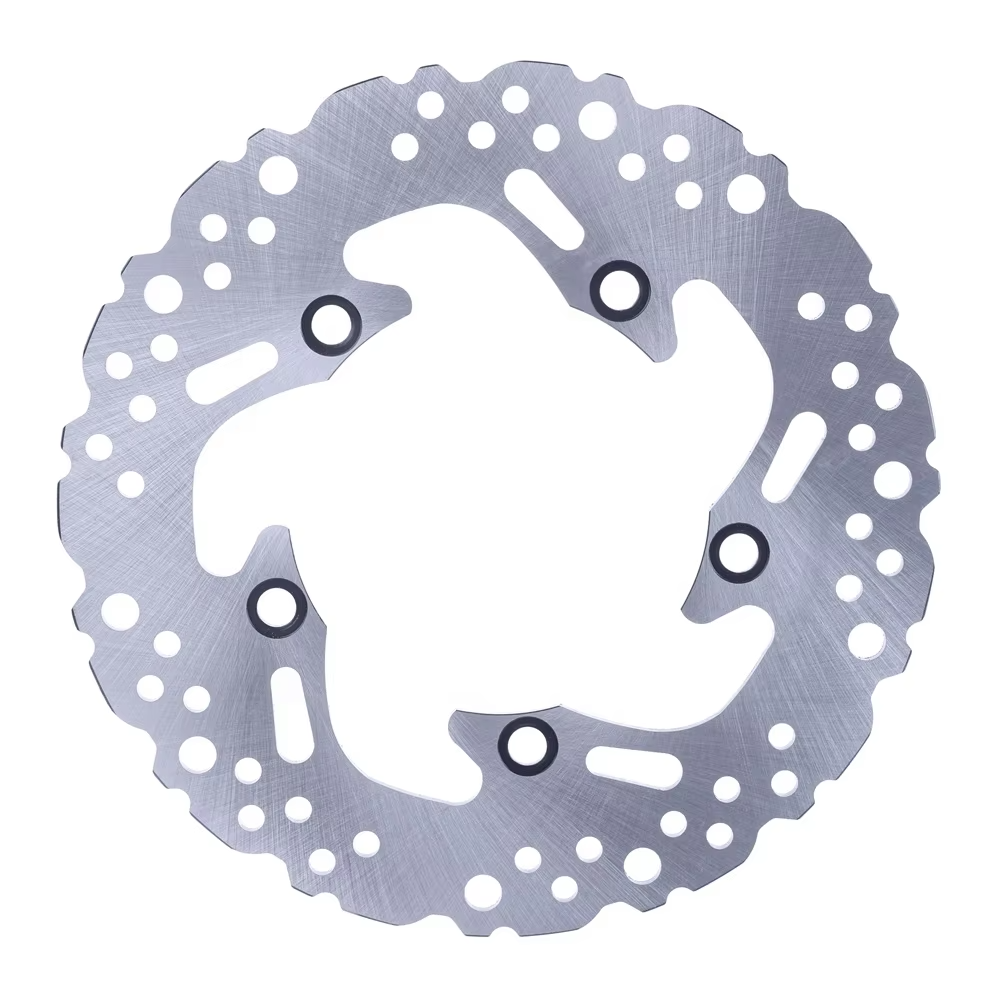
240mm Front Brake Disc AKT EVO R3 CR4 125
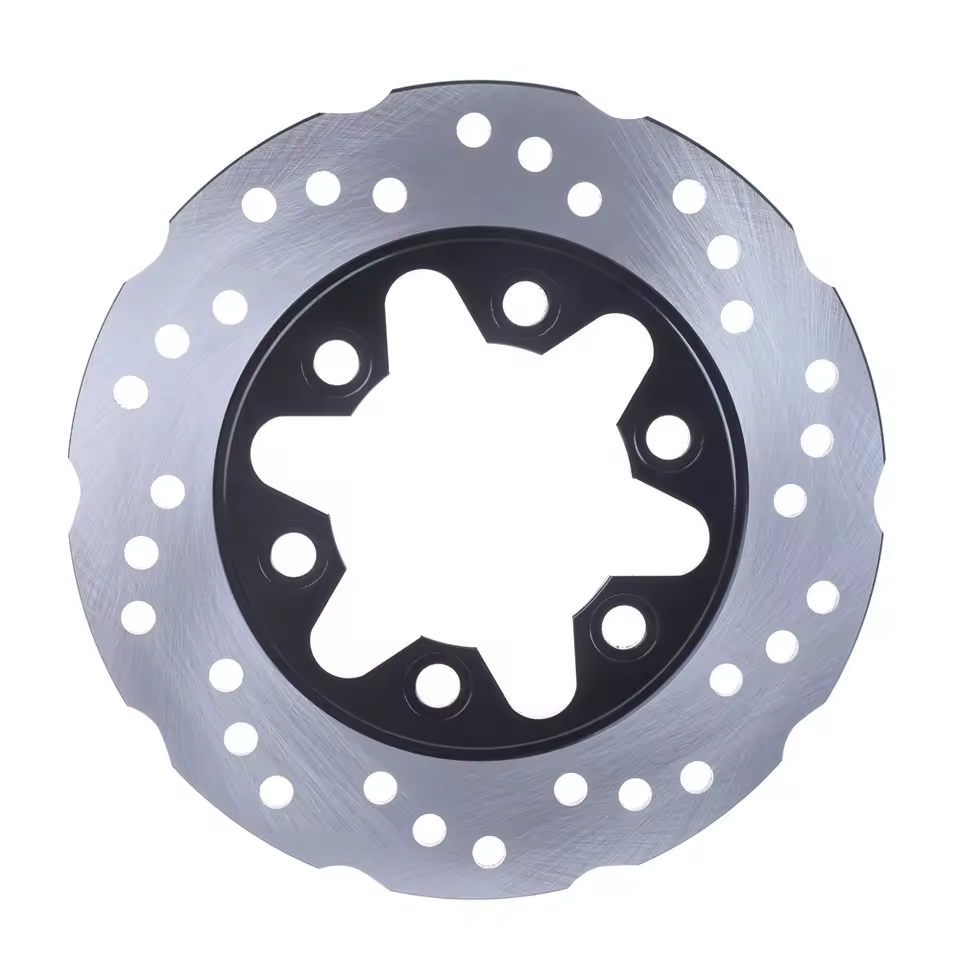
200mm Rear Brake Disc for Vento Tornado 250 / Storm 250 — 4.5 mm, Six-Bolt
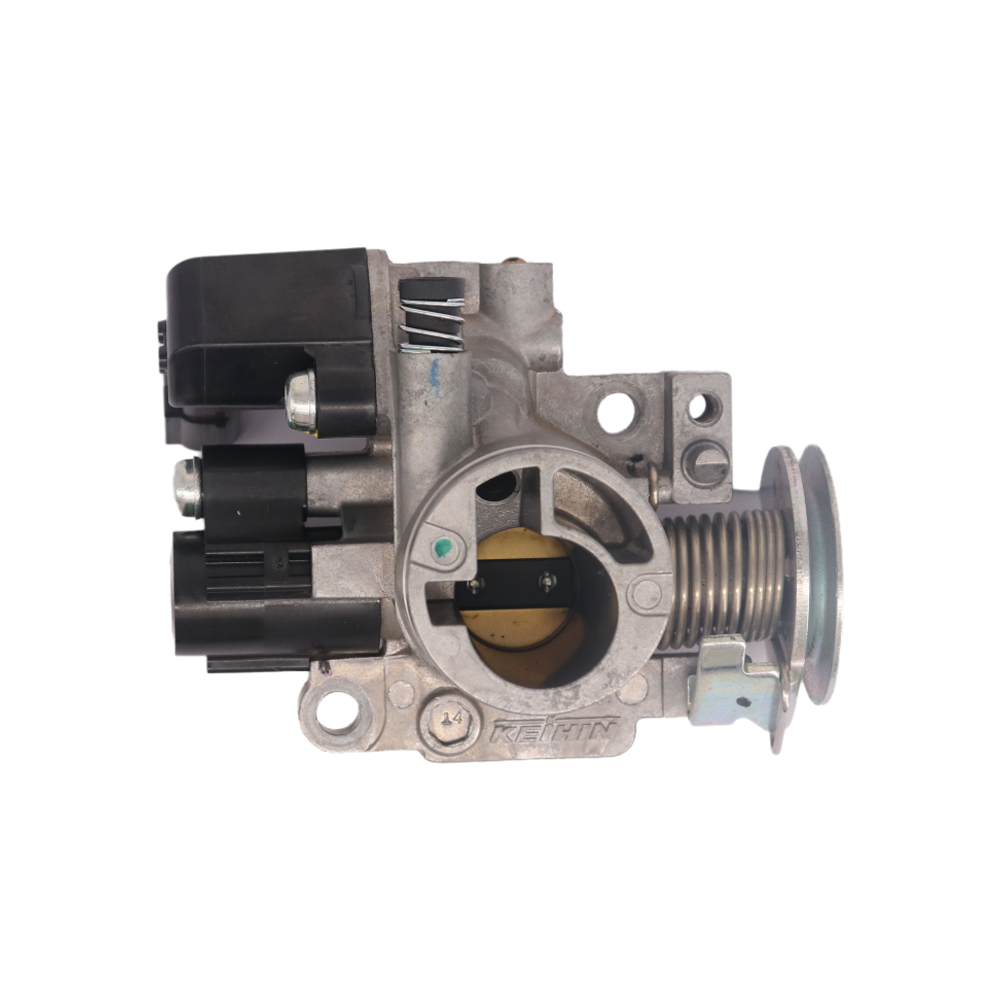
26 mm Throttle Body for the Honda Vision 110 / NSC110, 2011–2016 — 16400-KZL-931