
 EN
Quick Links

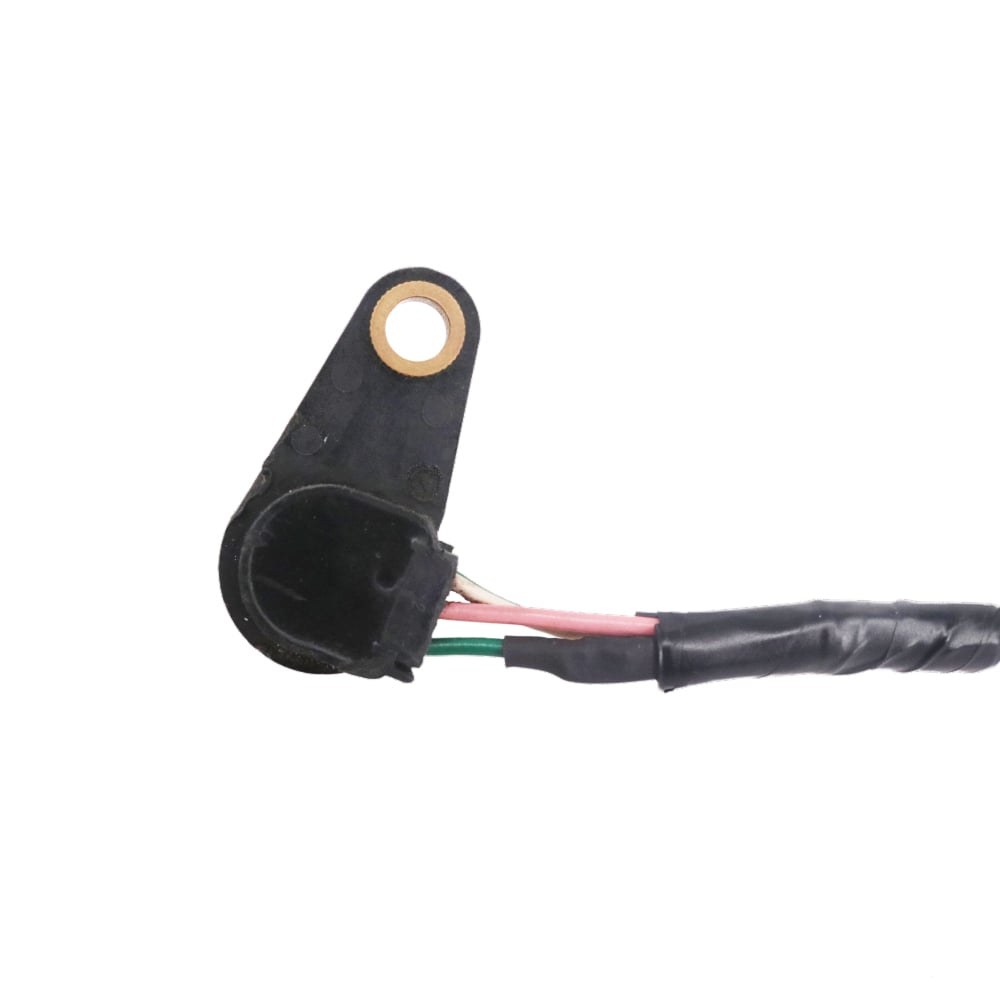
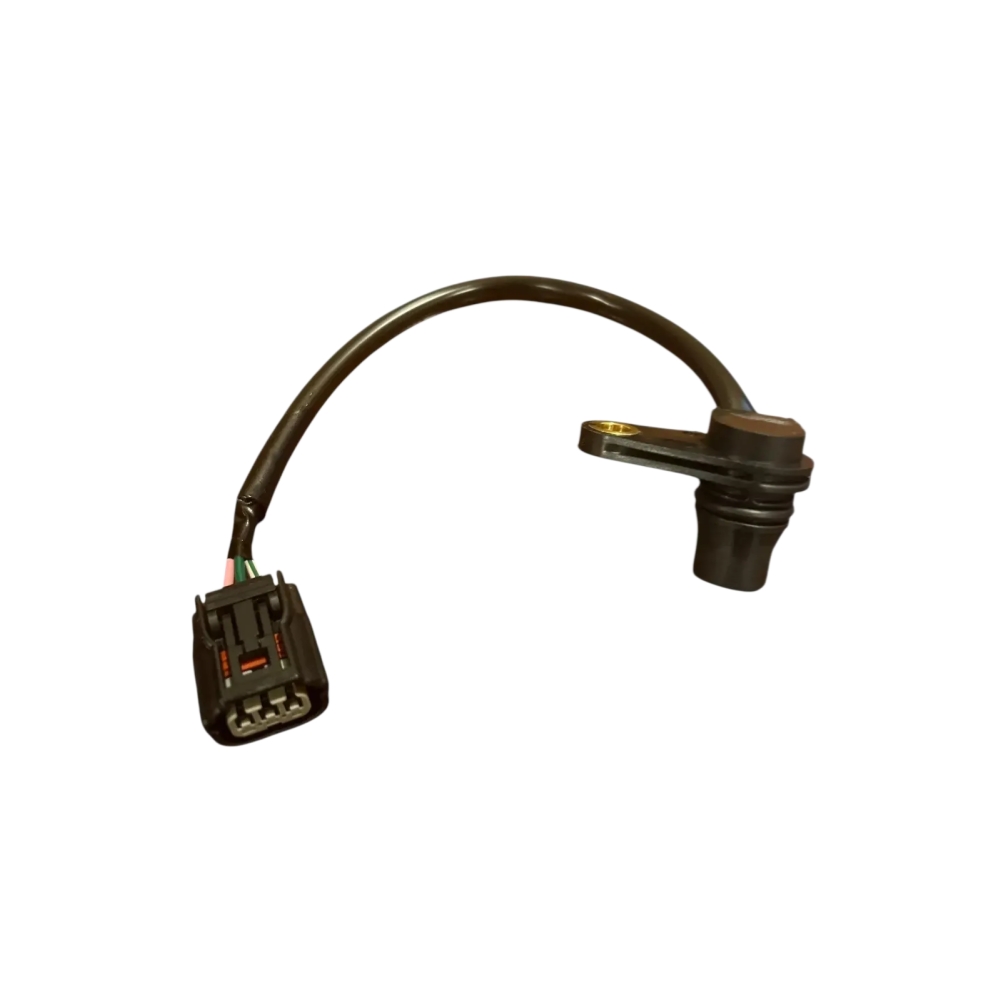
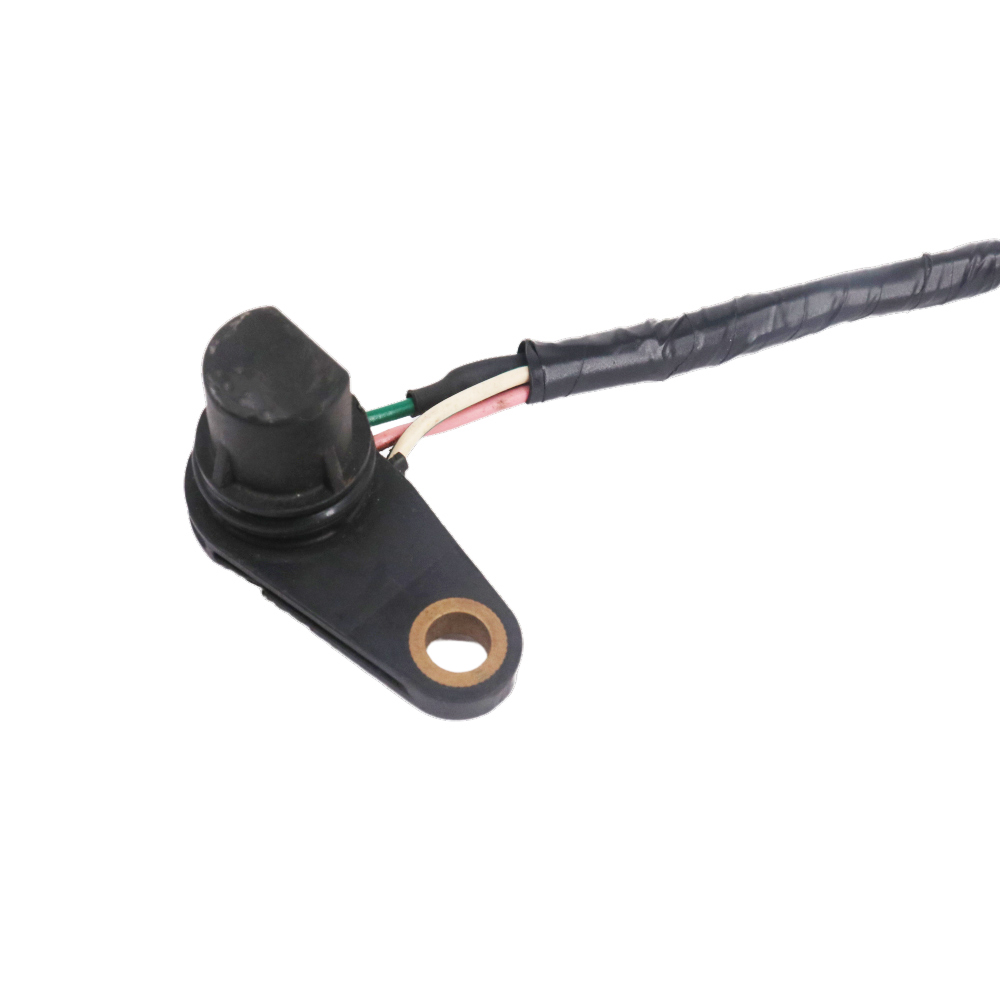
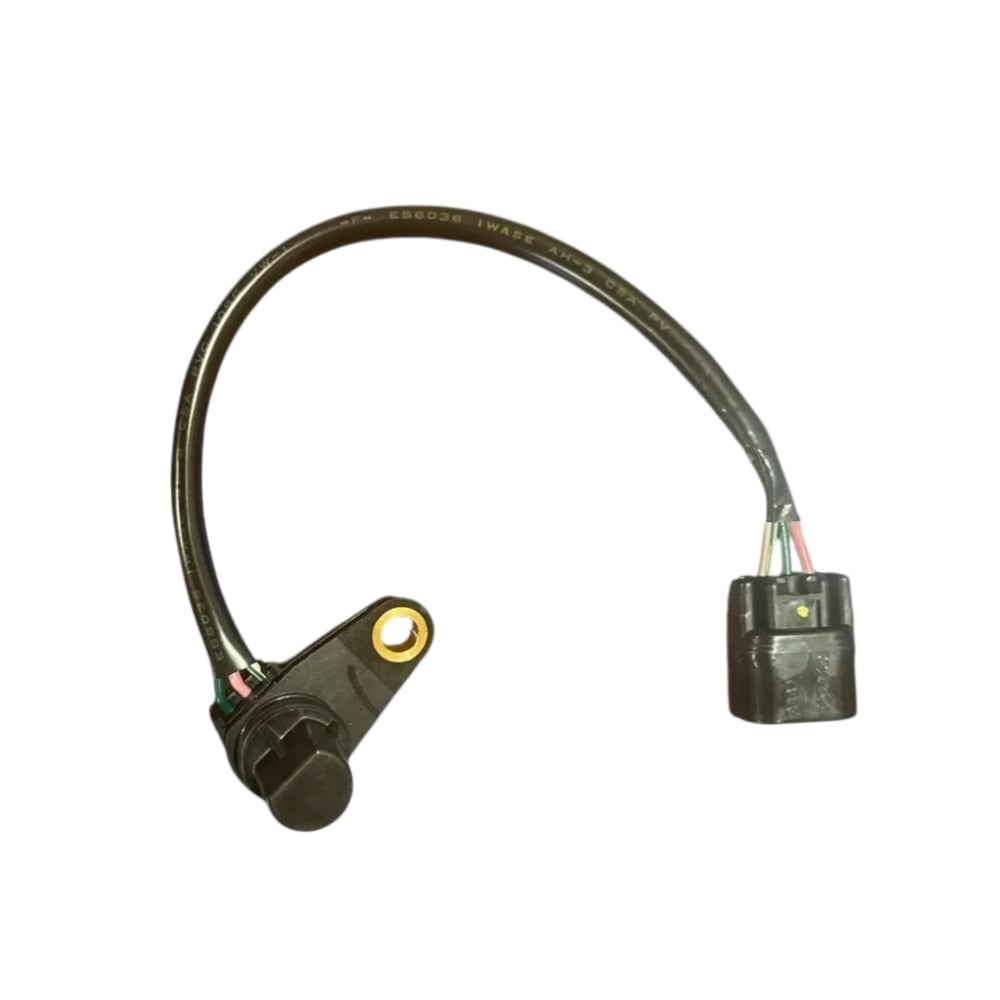
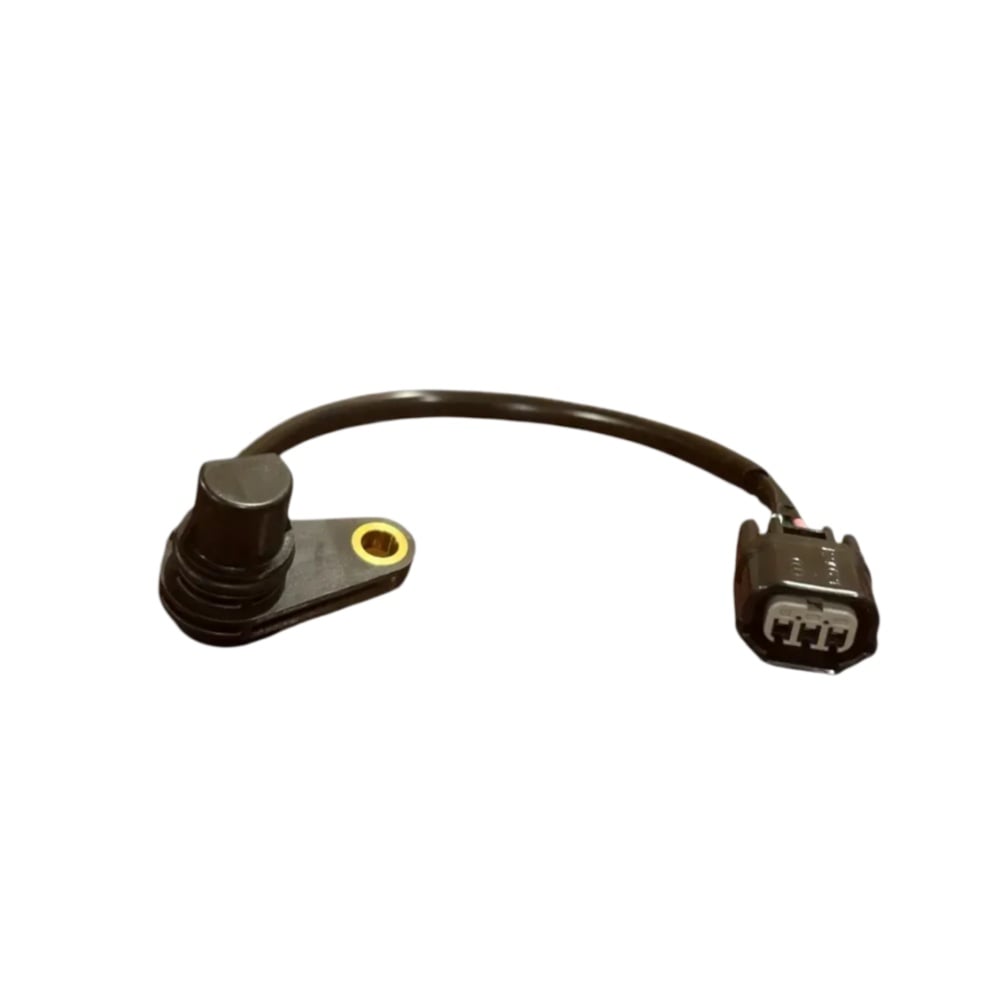
This one carries current and it carries wire. Those two facts separate it from every pressure sensor on this site and decide how it is tested, how it fails, and why the last ten centimetres matter more than the twenty-nine grams.
Wholesale, one hundred pieces per order. Distributor pricing at that quantity.
Hall effect
Supply and ground checked with the engine stopped
Pigtail fitted
Honda CG125 Titan / Fan 2014–2017, CG150 2014–2015.
One hundred minimum
Type |
Crankshaft position sensor, Hall effect |
Output |
Square wave |
Pins |
3 (supply / ground / signal) |
Supply |
5 V or 12 V — confirm against the machine |
Temperature |
−40 to +150 °C |
Ingress |
IP67 |
Housing |
ABS plastic |
Weight |
29.4 g including pigtail |
Wholesale from |
100 pcs |
This is the first practical difference between the two kinds of crank sensor, and it decides what you can do at the bench before anything is dismantled.
The magnet type generates its own signal. A variable-reluctance sensor has two wires and no supply; it produces an alternating voltage only while something is turning past it. Stopped, it is silent, and silence proves nothing.
This one needs to be fed. A Hall sensor carries a supply, a ground and a signal, and the signal is a square wave that switches between two levels. With the key on and the engine stopped you can already check two of the three: supply present, ground clean. Turn the engine over and the third one switches — slowly at cranking speed, faster as revs rise.
That shapes the whole diagnosis. A failure of supply or ground looks exactly like a failed sensor from the rider's seat: no start, no tachometer movement, no spark. The difference is measurable in two minutes with a meter and no dismantling. Section 7 uses it.
And it explains a common wrong purchase. A machine that needs the magnet type will not run on this one, and the two are often sold against the same model name. Count pins before ordering: two wires means magnet, three means this.
Twenty-nine point four grams is the sensor plus its lead. On a crank sensor that lead is not packaging — it is half the component, and it fails in ways the moulding never does.
Heat at the exit. The lead leaves the body a few centimetres from a cylinder head that cycles between ambient and operating temperature every trip. The failure starts where the wire meets the moulding: insulation hardens, then cracks, then water enters the strands.
Oil and the long soak. Crankcase vapour attacks ordinary PVC insulation slowly and continuously. The conductor does not break; the insulation swells and the signal starts to leak to ground through contamination.
Flex at the fixing point. A lead clamped too tightly, or left to swing, breaks strands inside intact insulation. The sensor tests perfect on the bench and drops out over a bump — the classic intermittent.
Chafe against the frame. Ten centimetres of wrongly routed wire against a bracket will do more damage in a season than ten years of running.
Which is why the lead is not an accessory. This part ships with one fitted, because the alternative is a splice in the worst place on the machine: inches from a hot head, inside an oil mist. The specification therefore says that a pigtail is fitted, and nothing more — how long it should be belongs to your machine, and it is the first thing to compare against the old part before ordering.
Application |
Years |
Honda CG 125 Titan / Fan |
2014–2017 |
Honda CG 150 Titan / Fan |
2014–2015 |
OEM cross-reference: 37700-KVS-F01.
The CG engine is one of the most widely built small engines in the world, and machines carrying that engine outside these two model lines may use this sensor or may not. The number above is the evidence; the model name is not. If your machine is a CG but not a Titan or a Fan, send the number from the old unit.
A no-start on a fuel-injected single gives the same three symptoms for three different causes. This order costs nothing and rules out the most expensive guesses first.
Step one: does the tachometer move while cranking? On most of these machines the tachometer is driven from the crank signal. A needle that does not stir during ten seconds of cranking is evidence the controller sees no rotation — not proof, but the cheapest test on the list.
Step two: supply and ground at the connector. Key on, engine off, back-probe. No supply or a resistive ground and the sensor is innocent; the fault is in the loom, the fuse or the ground path.
Step three: watch the signal while cranking. A meter set to DC will read an average somewhere between the two levels; a test lamp or an LED across signal and ground will flicker as the engine turns. No flicker with supply and ground good means the sensor or its gap is at fault.
Step four: before blaming the sensor, check the trigger. A reluctor wheel with a damaged or missing tooth, or a sensor knocked out of position, produces a signal that exists but is wrong — and produces it intermittently.
What this rules out. Fuel pressure, injector clogging and coil failure all produce a crank-no-start too, and all of them cost more than this sensor. Steps one to three separate them in ten minutes. Do not replace the sensor because a code mentioned the crank circuit: on these engines the same code appears for a chafed signal wire.
Field |
Value |
Brand |
RUNTONG |
Part number |
RB-CD003 |
OEM cross-reference |
37700-KVS-F01 |
Type |
Crankshaft position sensor |
Principle |
Hall effect |
Output |
Square wave |
Pins |
3 (supply / ground / signal) |
Supply |
5 V or 12 V — confirm against the machine |
Lead |
Pigtail fitted (yes) |
Mounting |
Bolt fixing |
Operating temperature |
−40 to +150 °C |
Ingress protection |
IP67 |
Housing |
ABS plastic |
Weight |
29.4 g |
Supplied with |
Sensor, washer, pigtail |
Inner packing |
Zip bag |
Carton |
6.5 × 6 × 5 cm, 100 pcs per carton |
Certification |
ISO 9001 |
Warranty |
12 months |
Wholesale minimum |
100 pcs |
Custom printed carton |
From 1,000 pcs |
Dispatch |
7 days from stock; 15–30 days for a production lot |
Freight |
Air, sea, land |
Hall. Three pins, needs a supply, gives a square wave. A two-wire sensor is the magnet type and is a different part.
Only if the number on your old sensor is 37700-KVS-F01. The CG engine is built by many factories and they did not all specify the same sensor.
Yes, fitted. Length belongs to your machine, so compare the old lead before ordering — a short one is the most common reason this part comes back.
The part is held by a bolt fixing, so it sits where the mounting face puts it. If your machine's bracket is adjustable, use the workshop figure for the machine — not one from us.
No. A marginal gap or a chafed lead often starts cold and cuts out hot, or dies over a bump. Section 5 explains why.
Yes, in the bag with the sensor.
One hundred is the wholesale minimum. For a single machine, buy a sample at retail first.
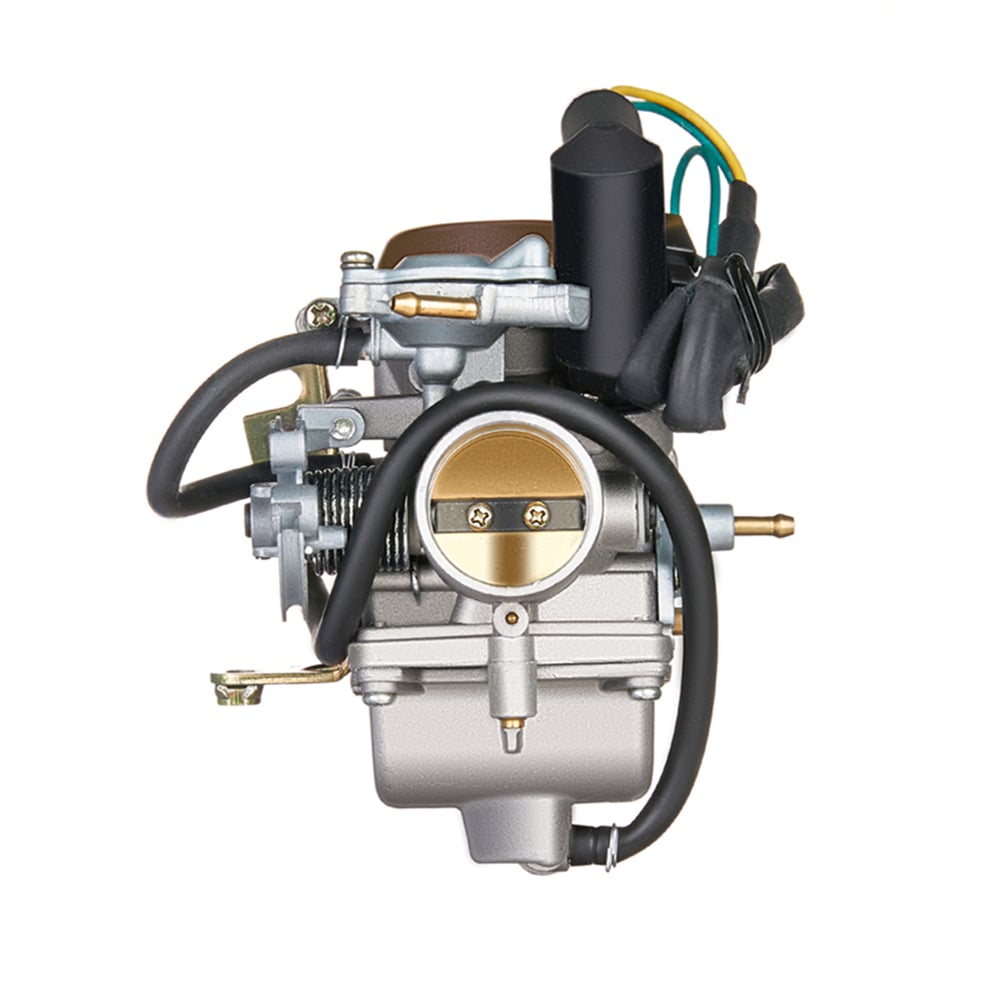
PD30J 30mm Helix CN250 Elite CH250 CFMOTO CF250 250cc Scooter Moped Engine Carburetor
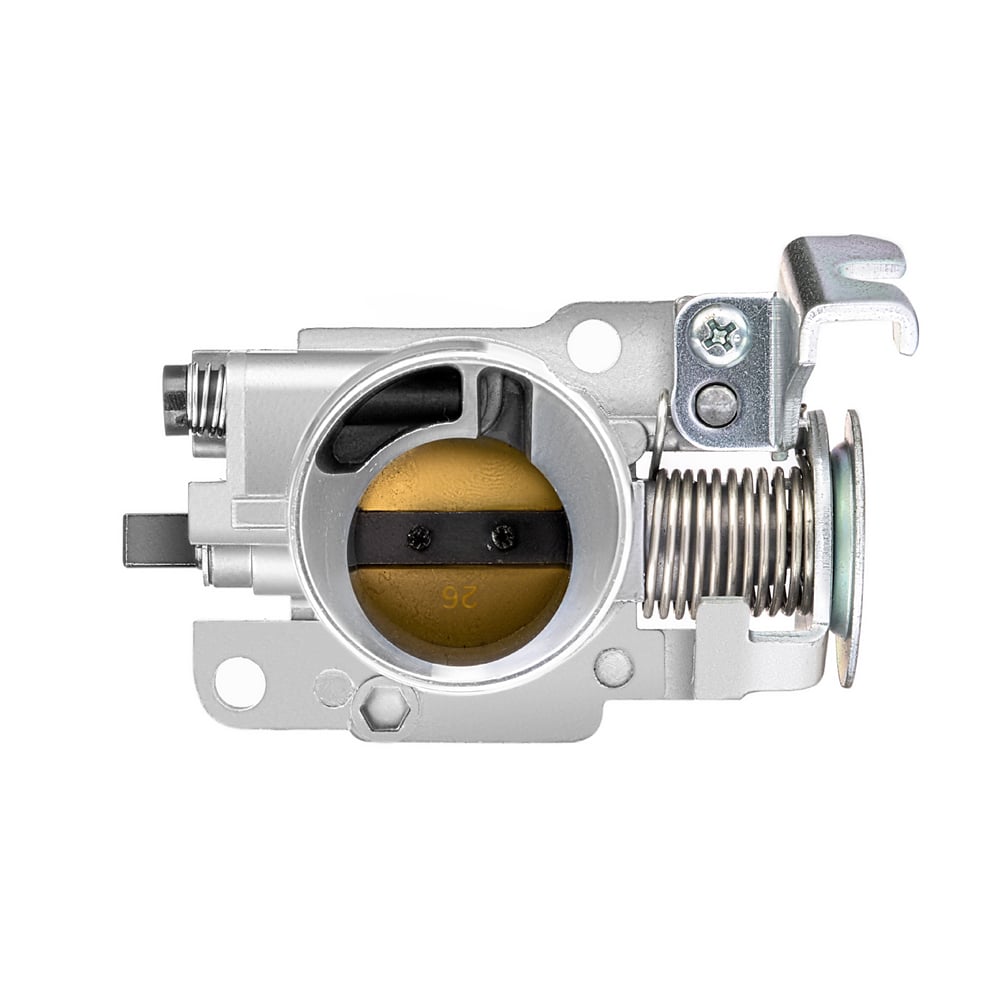
Honda WAVE110 WAVE110I WAVE125 WAVE125I WAVE 110 110I 125I Motorcycle Throttle Body
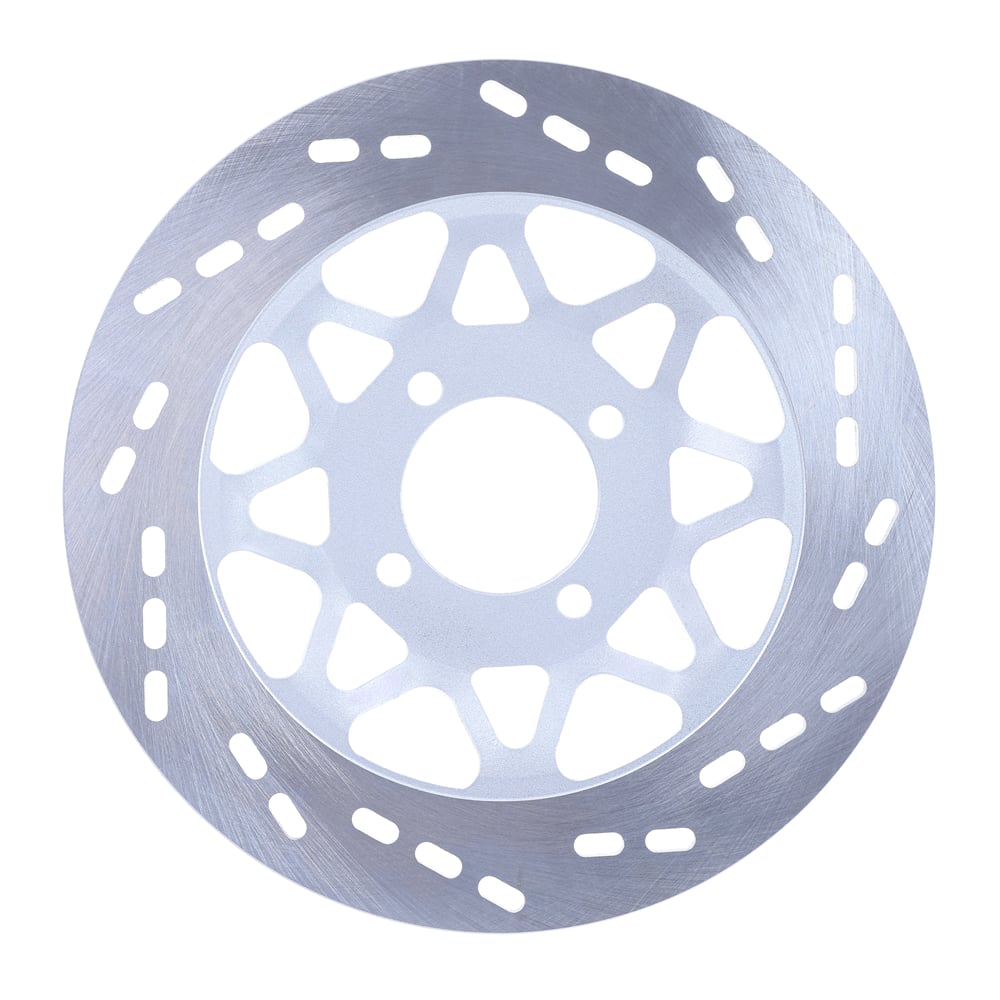
220mm Front Brake Disc TVS Jupiter NTorq Rockz
25 mm Throttle Body for the Suzuki Qingqi UY125 / UU125 / GSX150F / QS150-5