
 EN
Quick Links

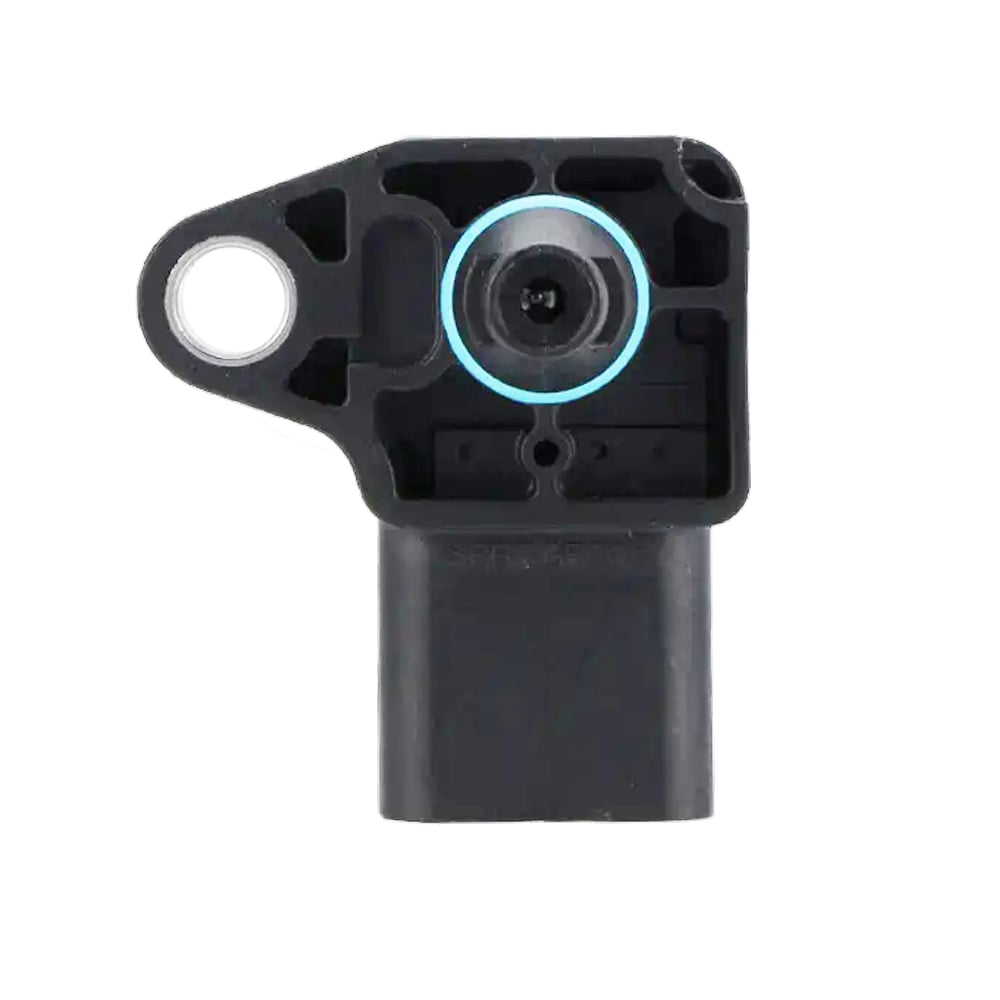
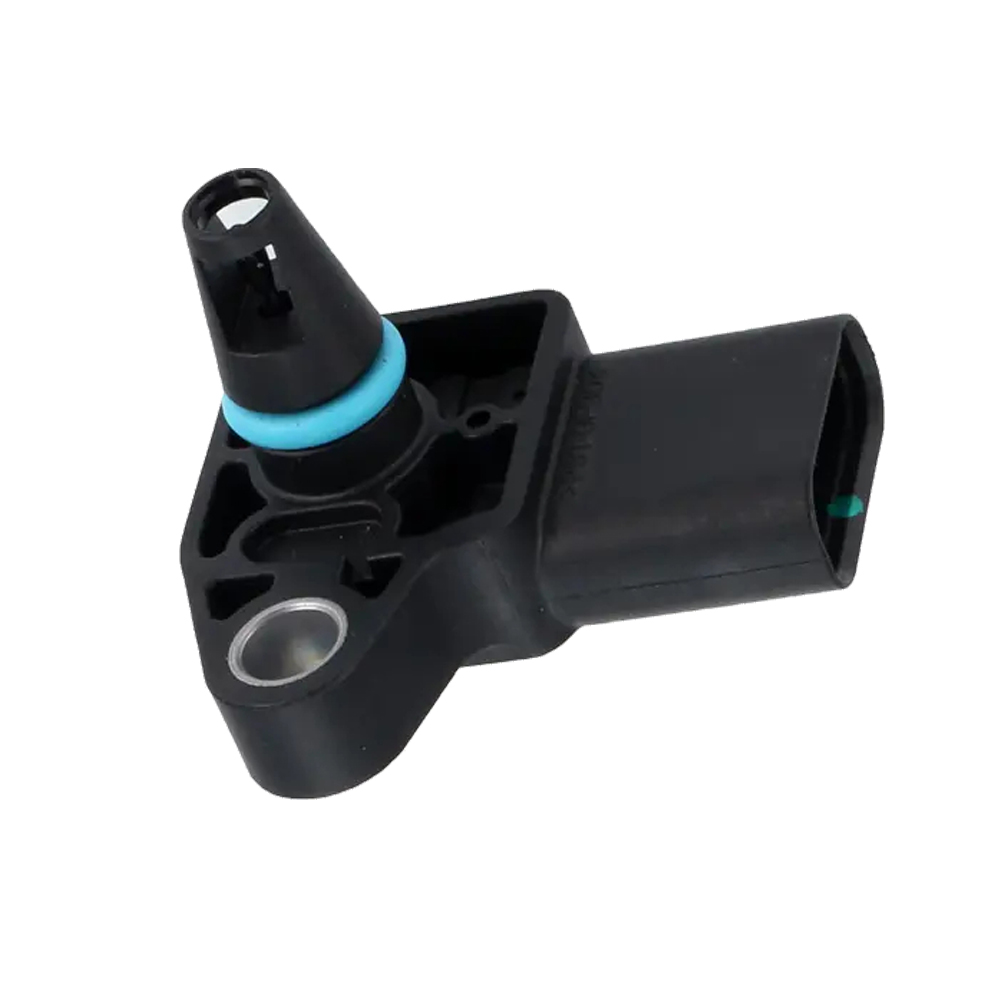
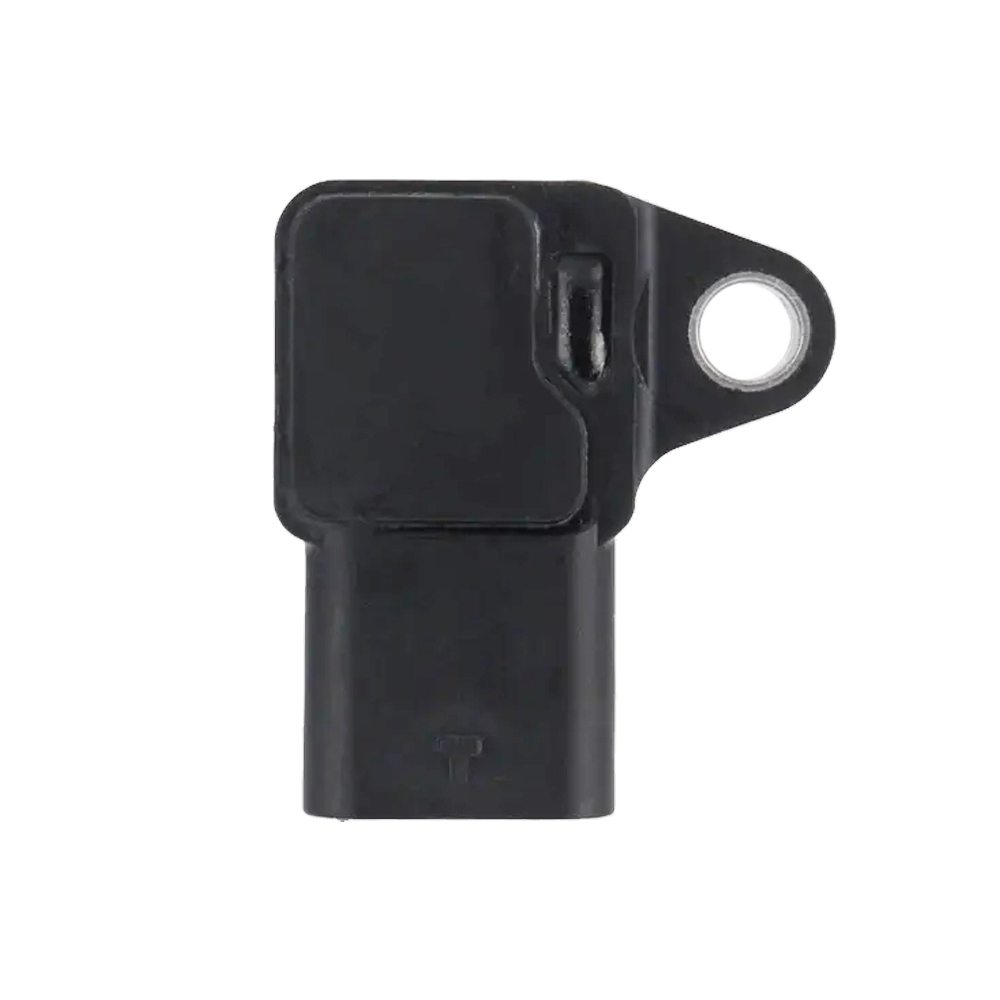
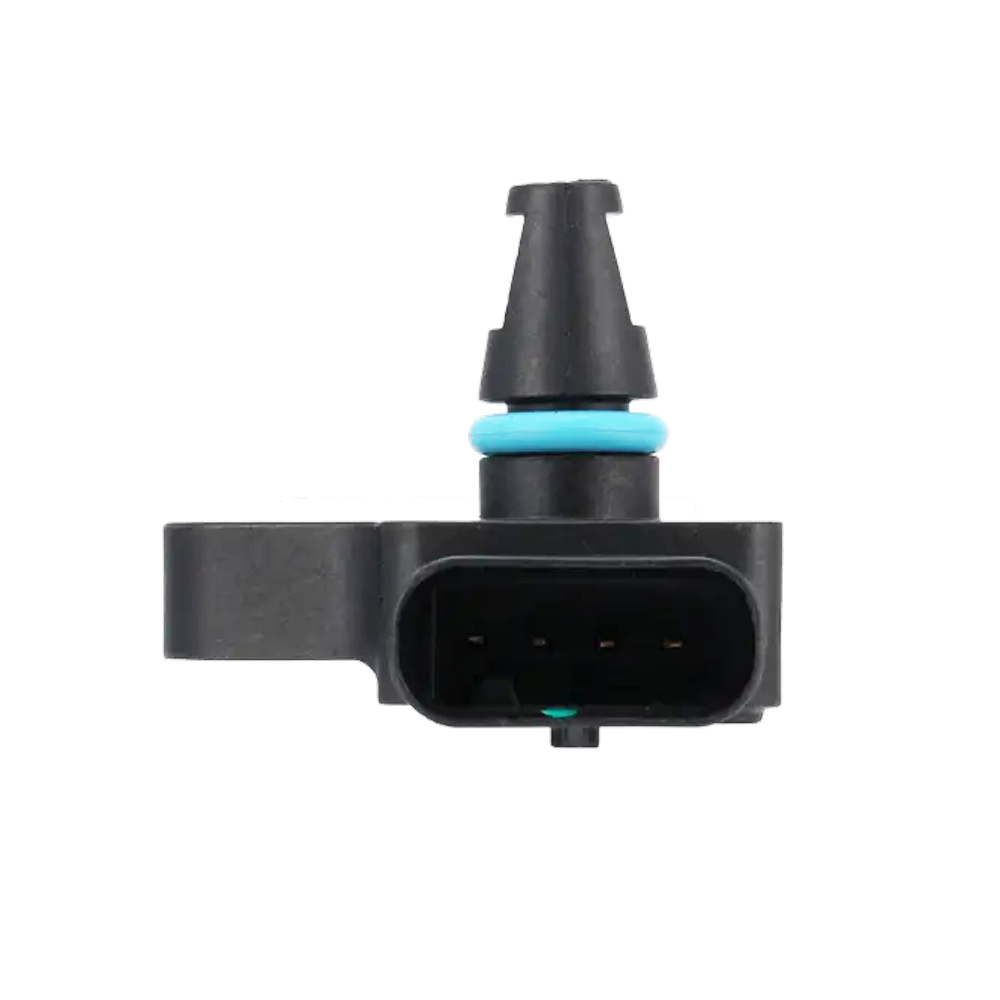
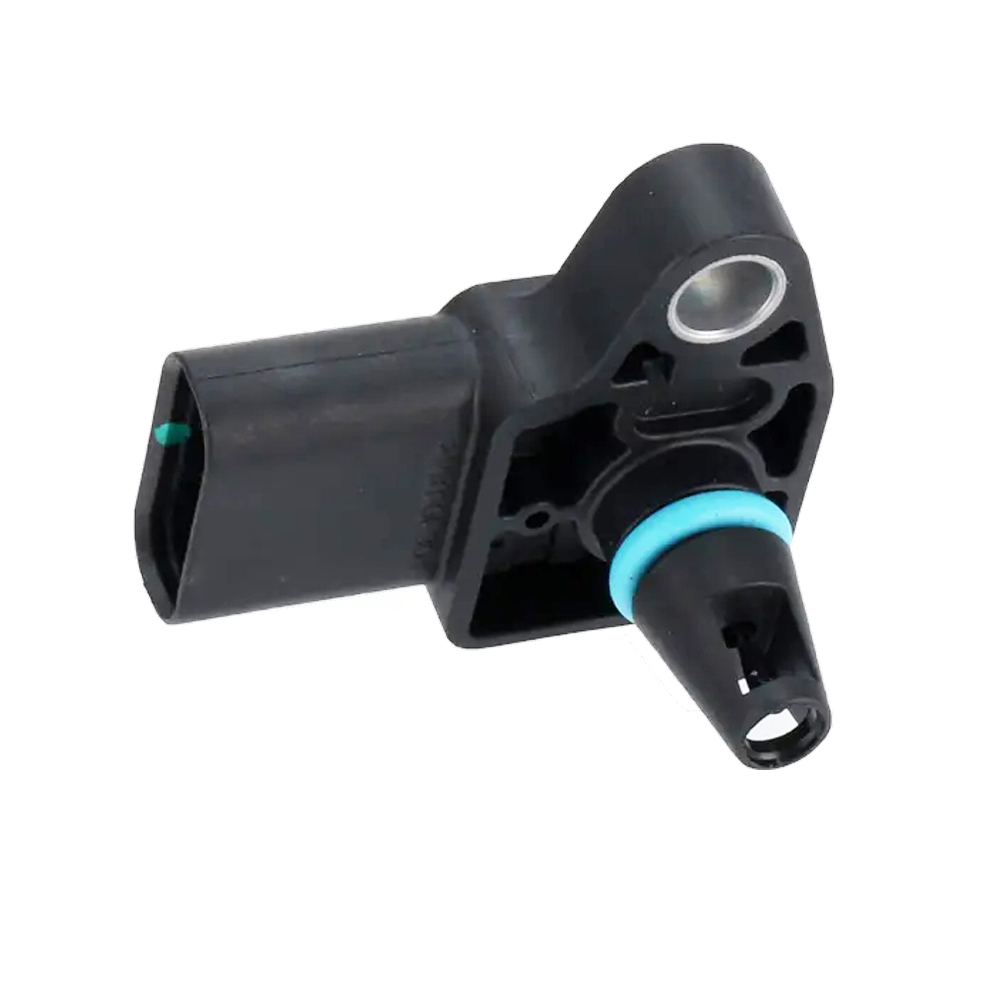
The application list for this part mixes vehicle brands, model names, a component supplier and a Chinese manufacturer in one line. That is not sloppiness — it is what a cross-reference looks like, and reading it correctly is the whole job.
Wholesale, fifty pieces per order. Distributor pricing from there.
Four-pin
Eight cross-references
Two named models
What the invoice says matters as much as what the box fits
Twenty grams
Fifty minimum
Type |
Absolute pressure sensor (MAP) |
Range |
50–400 kPa absolute |
Output |
Analog voltage |
Connector |
4-pin |
Supply |
5V ± 0.25V |
Accuracy |
±1.5% FS |
Temperature |
−40 to +125 °C |
Ingress |
IP67 |
Housing |
ABS plastic |
Net weight |
20 g |
Wholesale from |
50 pcs |
Application as supplied |
What it is |
Chevrolet Lova |
Model |
Dodge Challenger |
Model |
GM |
Brand family |
Buick |
Brand |
Chrysler |
Brand |
Jeep |
Brand |
BYD |
Vehicle manufacturer |
Delphi |
Component supplier name appearing in the cross-reference |
Eight numbers: 28356283, 28356282, 28439888, 28439124, 28357584, 32700065, 68364659AA, 55505514. The Mopar-style number and the GM-style number sit in the same list, which is exactly what a shared component looks like after twenty years of catalogue drift.
No year column, deliberately. None was supplied with this part, and on a list that spans this many brands a fabricated year range would be worse than useless — it would look precise. Confirm the number on the old unit, and where the number is illegible, send a photograph of the connector and the engine code.
Most guidance stops when the new part goes in. On a four-pin sensor in a hot engine bay, the last two minutes decide whether the job holds.
One: the latch, then the tug. Push the plug on until it clicks, then pull it gently. A four-cavity plug that is seated but not latched will work on the ramp and misbehave on the first hot day, and the fault will look like a sensor that failed early.
Two: the secondary lock, where fitted. Some of these housings carry a second retaining element behind the latch. If yours has one, it goes back in — it exists because the primary latch alone was not enough in service.
Three: the static reading. Key on, engine off, read the pressure value. It should equal atmospheric pressure for your altitude. That single number proves three things at once: the port is sealed, the connector is conducting, and the sensor is alive. Write it on the job card, because it is also the number you will compare against if the customer comes back.
And the check people skip. Look at the loom where it passes the exhaust side. A connector that is correctly latched onto a wire that has been cooked for a decade is a fault waiting for the next cold morning.
Field |
Value |
Brand |
RUNTONG |
Part number |
RB-PS009 |
OEM cross-reference |
28356283 · 28356282 · 28439888 · 28439124 · 28357584 · 32700065 · 68364659AA · 55505514 |
Type |
Intake manifold absolute pressure sensor |
Pressure range |
50–400 kPa absolute |
Output |
Analog voltage |
Connector |
4-pin |
Supply voltage |
5V ± 0.25V |
Accuracy |
±1.5% FS |
Operating temperature |
−40 to +125 °C |
Ingress protection |
IP67 |
Housing material |
ABS plastic |
Net weight |
20 g |
Supplied with |
Sensor and washer |
Inner packing |
Zip bag |
Carton size |
6.5 × 6 × 5 cm |
Certification |
ISO 9001 |
Warranty |
12 months |
Wholesale minimum |
50 pcs |
Custom printed carton |
From 1,000 pcs |
Dispatch |
7 days from stock; 15–30 days for a production lot |
Freight |
Air, sea, or land |
Zip bag, neutral carton, 6.5 × 6 × 5 cm, sensor and washer together. Twenty grams a unit; a hundred fits one carton and travels as a parcel.
Because the carton names no vehicle manufacturer, it can go anywhere. A box carrying five brands' names invites questions at every border and in every marketplace. A plain box carrying ours invites none, and lets the distributor put his own label on it without the conversation about who owns which mark.
The washer travels attached. It sets the installed depth of the sensor in its port, and depth is part of what the sensor measures. A washer left in a drawer turns a fitting job into a vacuum leak.
Custom cartons from 1,000 pieces, one design, proof agreed before printing.
Twenty minutes. The only step that punishes impatience is the connector.
1. Battery negative off, then wait for the controller to sleep.
2. Locate the sensor on the intake; one screw or clip, plug facing outward.
Read and record the key-on pressure value before you remove anything.
3. On a multi-application part this is also your proof that the box contained the right item.
4. Press the latch fully, pull the plug straight. Four-cavity shells are stiff when new and brittle when old; neither responds to force.
5. Screw out, lift, cover the port. An open intake collects whatever the bay is shedding.
6. New washer, sensor square, snug only. Plastic flange against aluminium.
7. Reconnect, latch, tug — then the three checks in section 7, in that order.
8. Start, idle, snap the throttle and watch the number move both ways before the bonnet goes down.
Dispatch. Seven days from stock; three to four weeks for a produced lot.
Freight. Air, sea or land as you prefer. Consolidate — at this unit value the customs entry is the largest line in the shipment, and section 5 is about getting it right the first time.
Tax. Duty and VAT with the buyer unless DDP is agreed in writing. One classification, stated on the invoice, unchanged after departure.
Warranty. Twelve months against defects in manufacture, batch-wide, covering the sensor and its seal. Not covered: a connector left unlatched, a broken secondary lock, a cracked flange, a sensor fitted without its washer, or a part chosen from a model name rather than a number — which is the mistake this page opens with and the one we cannot cover.
Eight numbers and several brands; see sections 4 and 6. Match the number on the part you remove — a model name is the weakest evidence available.
Four.
Because it appears in the cross-reference as a supplier name. It is not a vehicle, and the list should be read as a reference map rather than a fitment table.
No. It describes the goods by function — a pressure sensor — not by the vehicles it fits. Section 5 explains why that protects the shipment.
We will describe the goods accurately. We will not describe them as something else to change the duty.
None was supplied, and an invented one on a list this broad would be actively misleading.
Four pins, 5V supply, analog output, 50–400 kPa. We have not been given a terminal-by-terminal assignment.
From 1,000 pieces, one artwork, approved before the run.
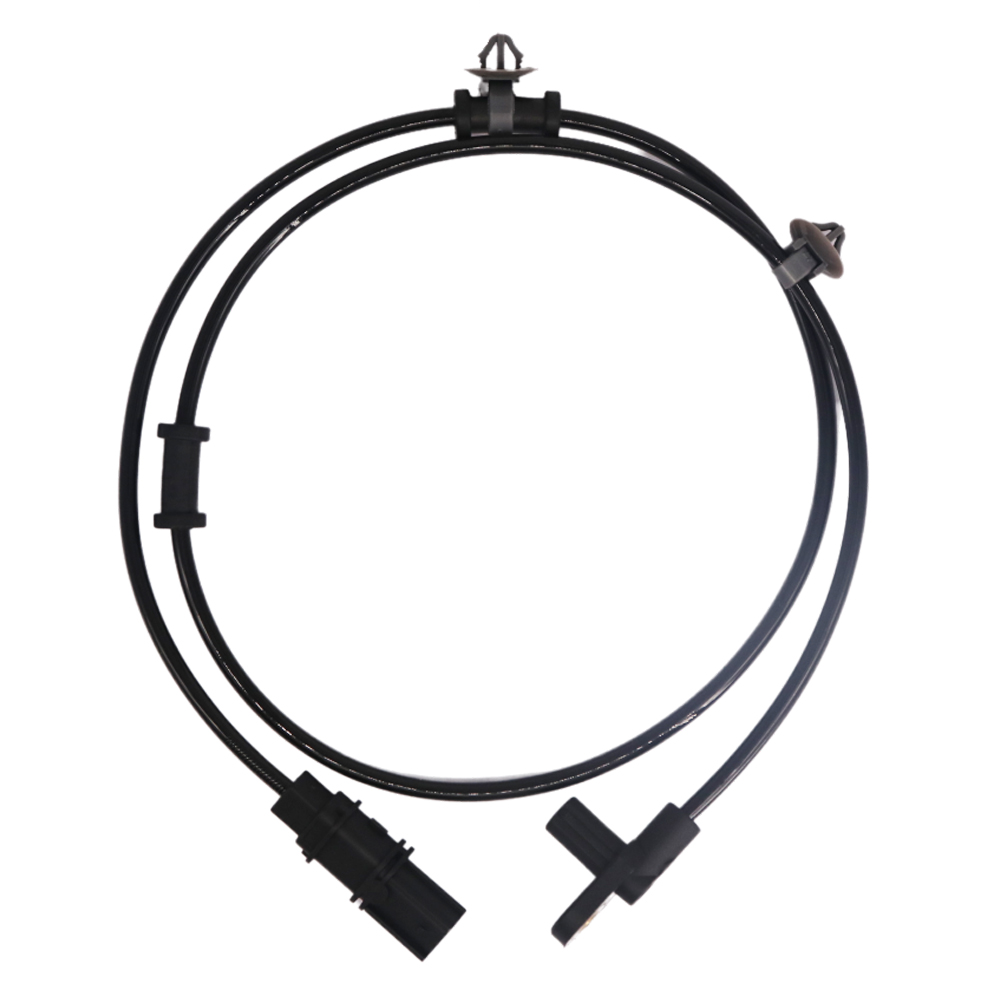
Front Wheel Speed ABS Sensor for Honda CB500F and CBR500R — 38520-MLR-D01-M1
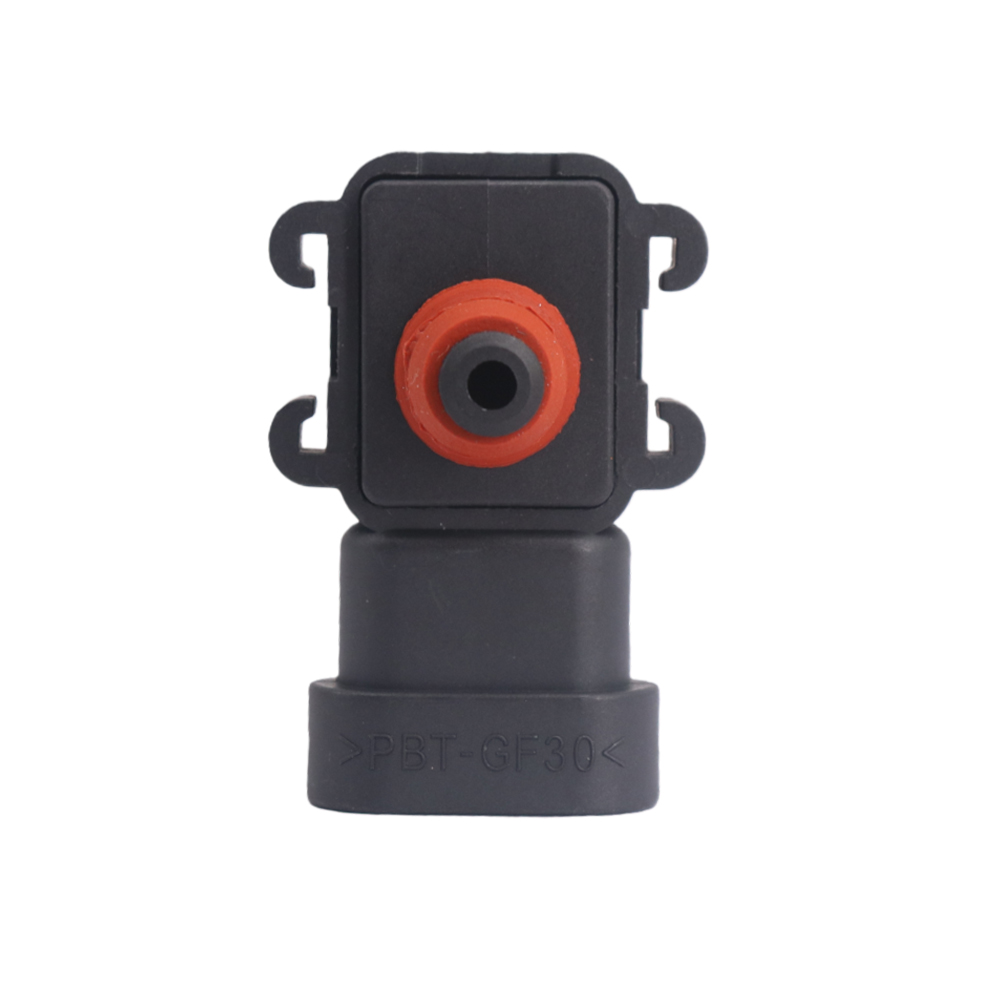
Intake Manifold Pressure Sensor for Opel, Vauxhall, Buick, Cadillac and Chevrolet — 09359409, 16187556
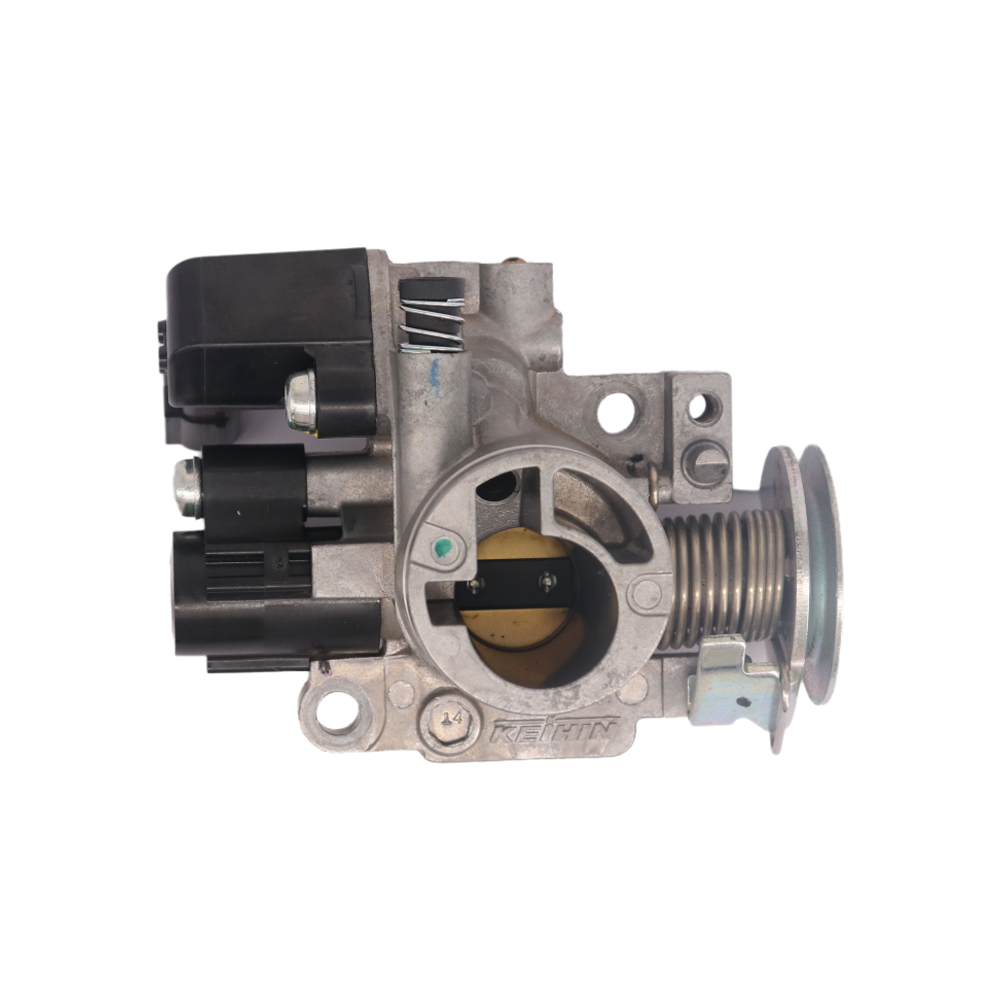
26 mm Throttle Body for the Honda Vision 110 / NSC110, 2011–2016 — 16400-KZL-931
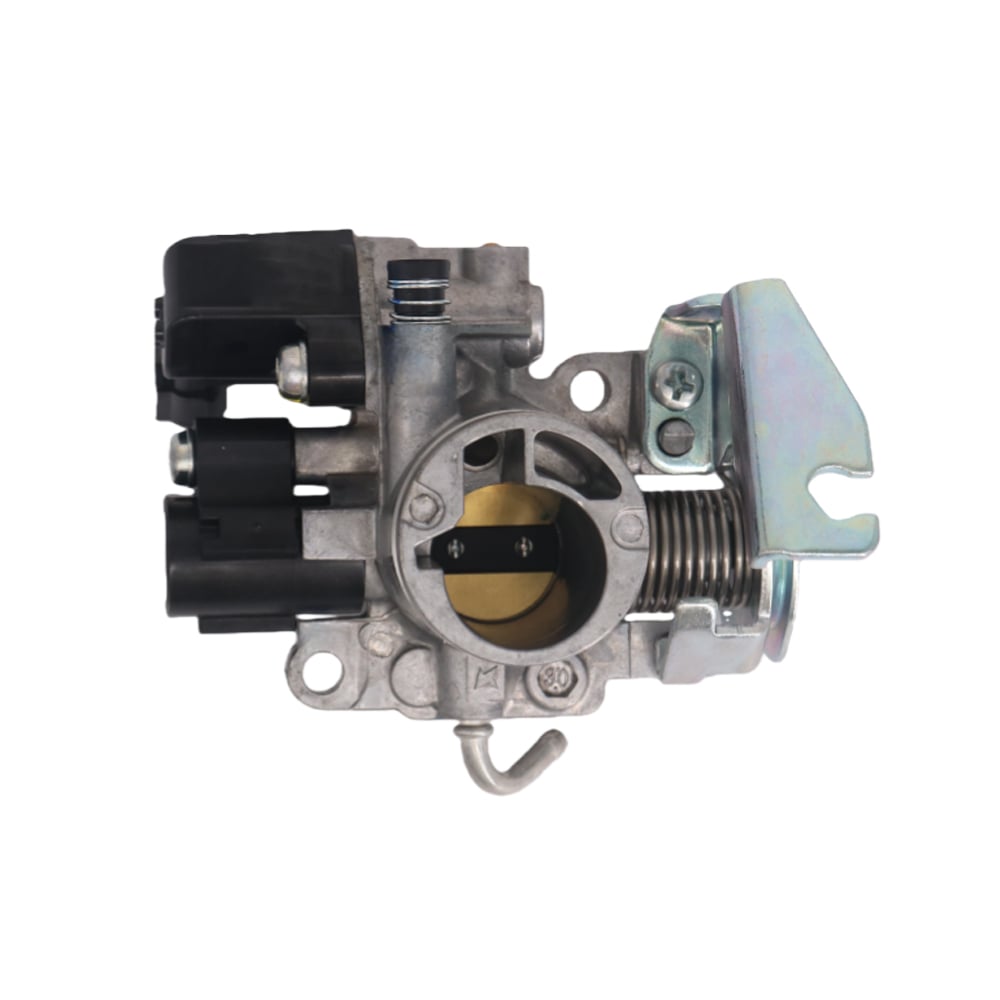
22 mm Throttle Body for the Sundiro Honda NS125D / SDH125T-31 / -35 / -36 / -38 — 16400-K48-D51-M1