
 EN
Quick Links

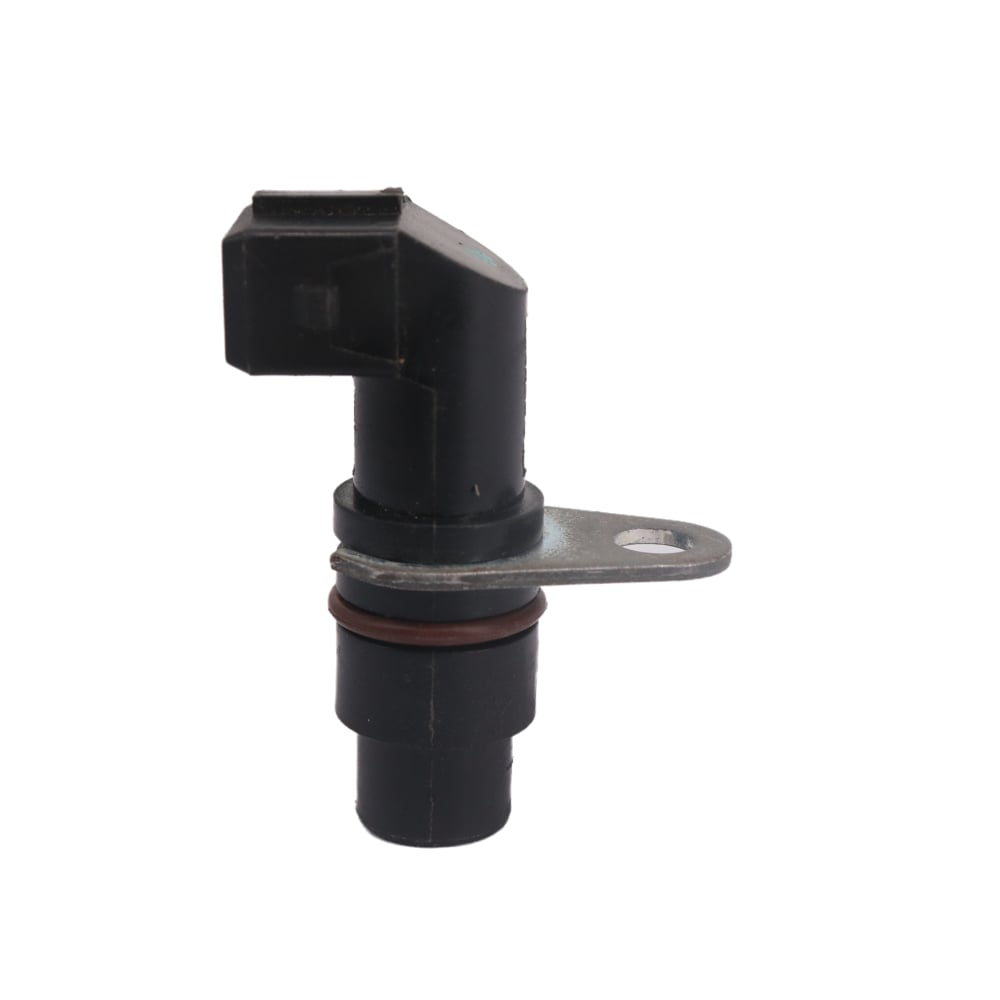
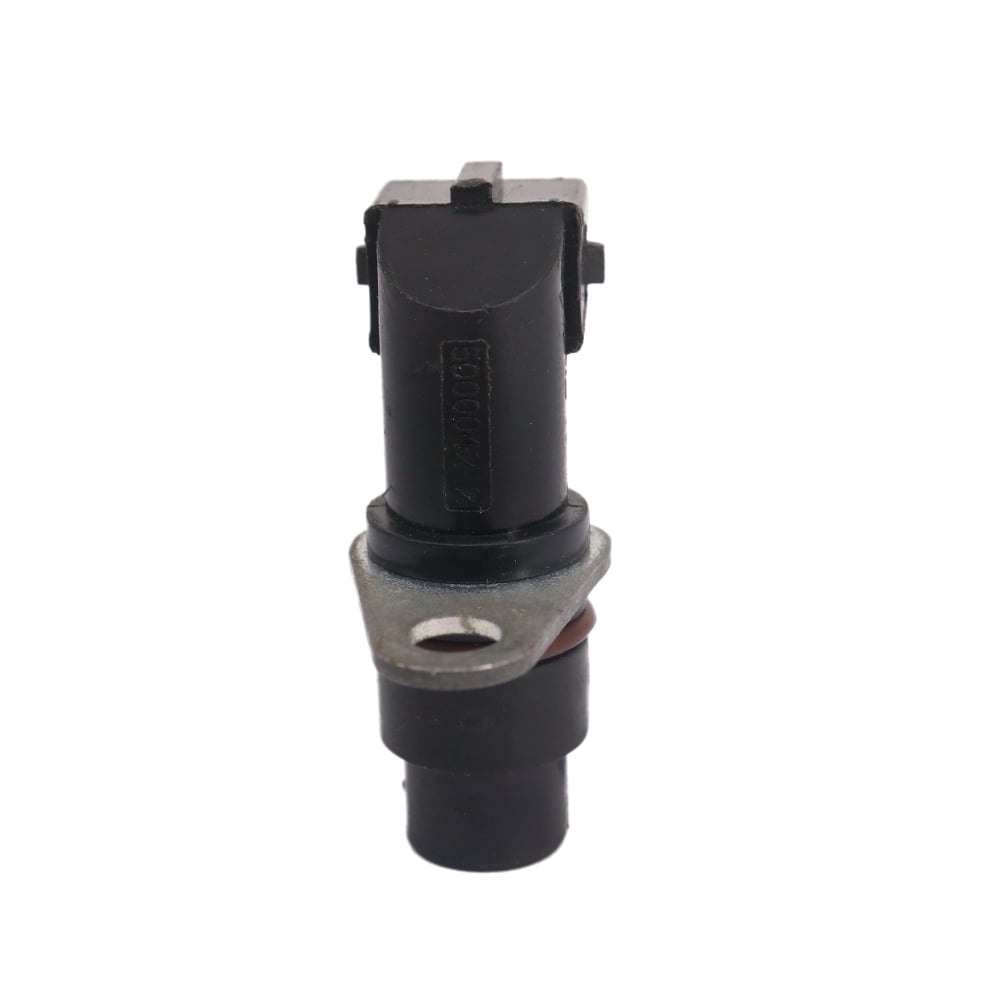
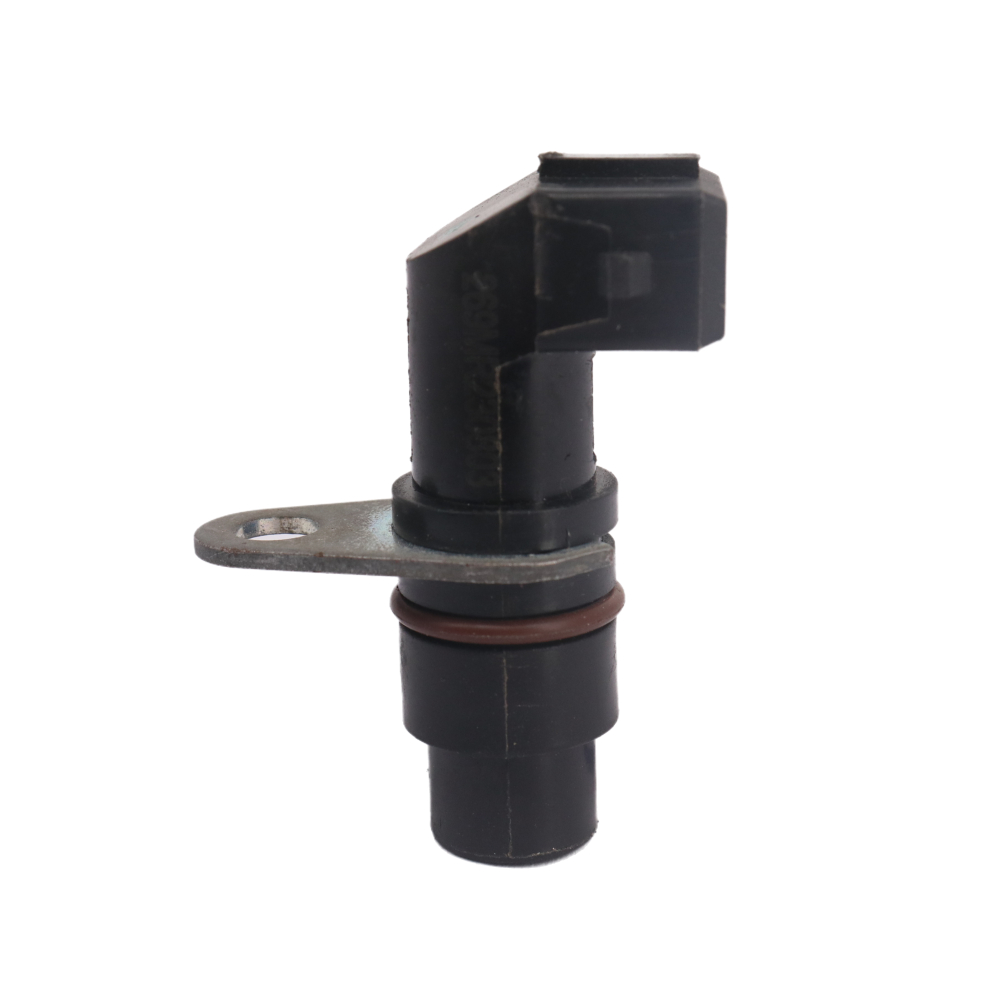
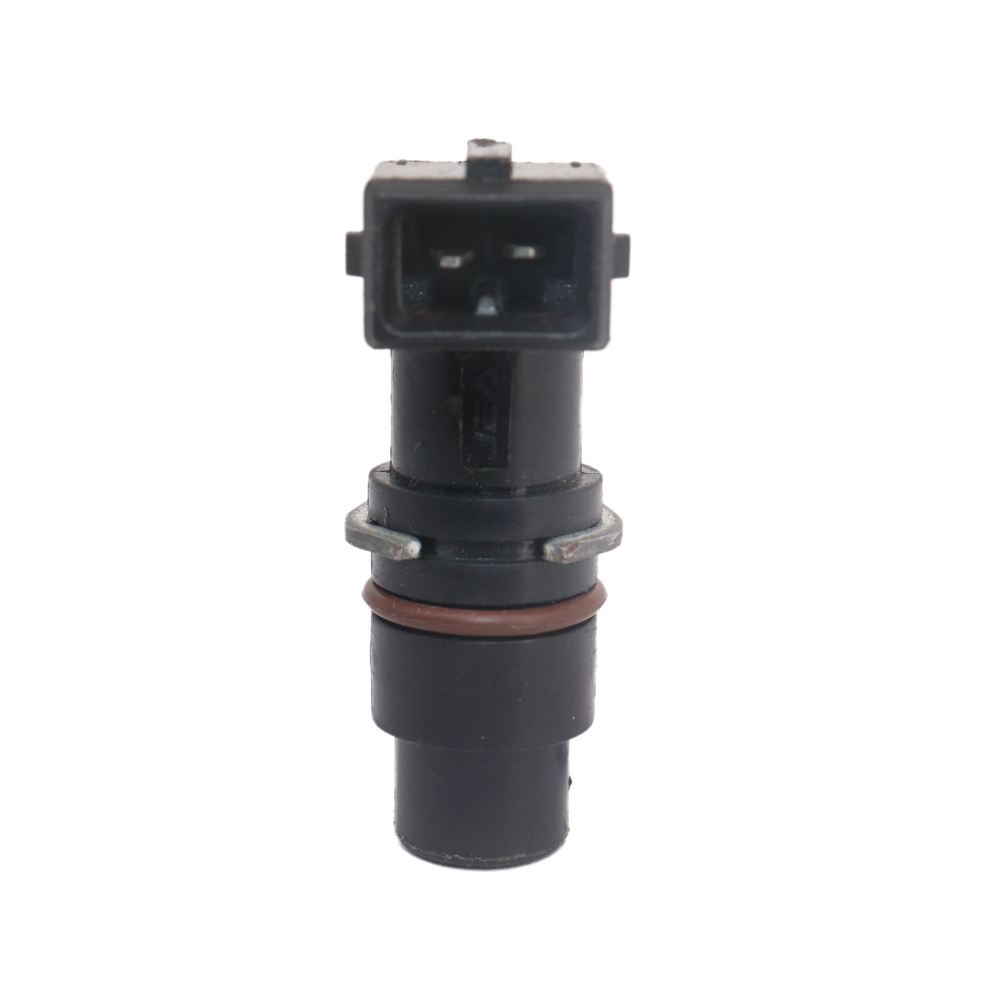
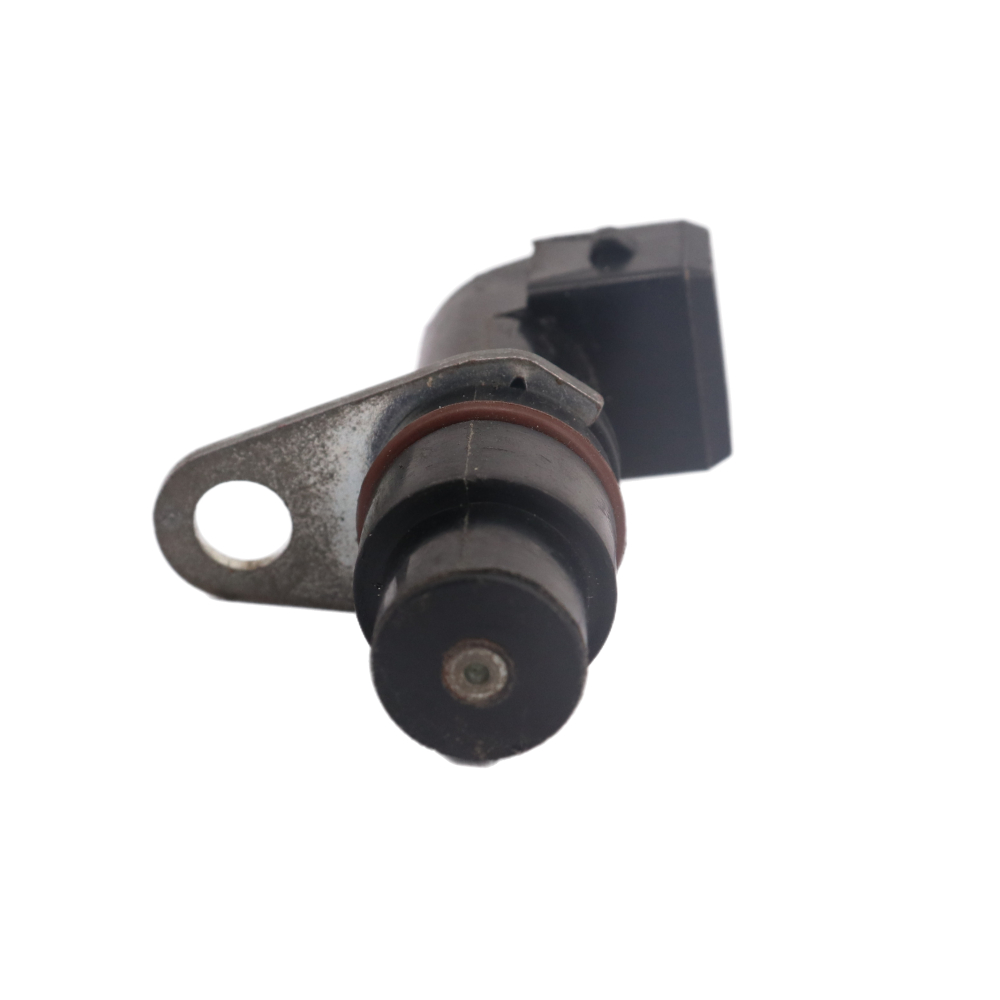
The same model appears three times in this list, in three year blocks, because the engine changed its emissions standard and not its crank. Reading those blocks correctly is the difference between buying the right sensor and paying a premium for one that only looks newer.
The trade order starts at a hundred units, and distributor pricing applies from there.
Hall effect
Euro 4 and Euro 5 machines on one part number
Benelli TRK502, 502X, 502C, Leoncino 500 and Trail, 302S, TNT300, TNT 249 S.
Hundred-piece minimum
Type |
Crankshaft position sensor, Hall effect |
Output |
Square wave |
Pins |
3 (supply / ground / signal) |
Supply |
5 V or 12 V — confirm against the machine |
Lead |
None; connector moulded to the body |
Temperature |
−40 to +150 °C |
Ingress |
IP67 |
Housing |
ABS plastic |
Weight |
30.6 g |
Wholesale from |
100 pcs |
Model |
Standard / years |
Benelli Leoncino 500 (499) |
2017–2020 |
Benelli Leoncino 500 Trail (499) |
2017–2019 |
Benelli 302S (300) |
2017–2025 |
Benelli TNT 300 |
as listed |
Benelli TNT 249 S |
as listed |
Benelli 502C (500) |
Euro 4, 2019–2020 |
Benelli TRK502 |
2020 |
Benelli TRK502X |
Euro 5, 2021–2022 |
Benelli TRK502 |
Euro 5, 2021–2022 |
Benelli 502C (500) |
Euro 5, 2021–2025 |
Benelli Leoncino 500 (499) |
2021–2025 |
Benelli Leoncino 500 Trail (499) |
2021–2025 |
Benelli TRK502 |
Euro 5, 2023–2025 |
Benelli TRK502X |
Euro 5, 2023–2025 |
QJMotor SRK 600 RC |
2023, 2024 |
QJMotor SRT 550 X |
2024 |
QJMotor SRT 550 SX (554) |
2023, 2024–2026 |
QJMotor SRT 600 SX (554) |
2024–2026 |
QJMotor SRK 250 |
2024–2025 |
QJMotor SRK 250 RR |
2024–2025 |
OEM cross-reference: 290016220000.
Where a line above says "as listed", the sheet we were given carried a model without a year block. We have not invented one.
A dead sensor and a dying sensor present so differently that they are often treated as different faults. They are the same part at two stages.
Stage one: no signal at all. The engine will not start, or starts and dies immediately. The tachometer does not stir while cranking. Supply and ground check out. This is the easy one — and the one that gets misdiagnosed as fuel or immobiliser because the symptom is so absolute.
Stage two: signal that drops out under load. The machine starts, idles, pulls cleanly to five thousand, then cuts and recovers, or stutters at high rpm, or the tachometer flickers. Nothing is wrong at cranking speed. A static test passes. This is the stage that costs people engines' worth of parts — coils, plugs, injectors, fuel pump — because every one of those can cause a high-load misfire and none of them is the cause.
Why a Hall sensor degrades before it dies. The switching element sits behind a plastic wall a few millimetres from a hot engine. Heat cycles, vibration and the odd knock against the trigger wheel accumulate; the output stays plausible at low frequency and loses definition as frequency rises. At cranking speed, twelve pulses a second look fine. At seven thousand rpm, they do not.
How to catch stage two. Do not test at idle. Get the engine hot, then hold it under load while watching the signal — a meter with a min/max function, or a test lamp that should flicker steadily and instead stutters. Record the rpm where it breaks up. That number is the diagnostic, and it is the one thing a static test cannot produce.
Field |
Value |
Brand |
RUNTONG |
Part number |
RB-CD008 |
OEM cross-reference |
290016220000 |
Type |
Crankshaft position sensor |
Principle |
Hall effect |
Output |
Square wave |
Pins |
3 (supply / ground / signal) |
Supply |
5 V or 12 V — confirm against the machine |
Lead |
None; connector moulded to the body |
Mounting |
Bolt fixing |
Operating temperature |
−40 to +150 °C |
Ingress protection |
IP67 |
Housing |
ABS plastic |
Weight |
30.6 g |
Supplied with |
Sensor and washer |
Inner packing |
Zip bag |
Carton |
6.5 × 6 × 5 cm, 100 pcs per carton |
Certification |
ISO 9001 |
Warranty |
12 months |
Wholesale minimum |
100 pcs |
Custom printed carton |
From 1,000 pcs |
Dispatch |
7 days from stock; 15–30 days for a production lot |
Freight |
Air, sea, land |
Into a zip bag with its washer, then a plain carton of 6.5 × 6 × 5 cm holding a hundred.
Thirty point six grams with no lead is a dense little part. There is no cable to cushion it and nothing to grab it by, so it is handled by the body — which is also where the connector lives. Cartons are packed so the parts cannot rattle against each other; ask for that to be preserved if the outer carton is opened and repacked in transit.
The washer travels with the sensor, not loose. It controls installed depth, and depth is a working dimension on this part.
Plain cartons, no marque named. With two brands and fourteen models on this list, a box carrying either brand invites questions at a border or on a marketplace. Our mark only, so a distributor can label it as his own. Custom print from 1,000 pieces, one design, proof agreed first.
Cold engine, battery disconnected. On these engines the sensor sits in the crankcase, which adds one thing to watch that a bracket-mounted sensor never has: oil.
1. Photograph the plug, its latch and the route of anything you move, then read the number on the old sensor.
2. Disconnect at the harness, release the fixing bolt, withdraw straight. Do not rotate the body as you pull — the trigger wheel is millimetres away.
Look at the old sensor's barrel before discarding it.
3. Oil on the body, or a hardened, flattened O-ring, means the bore has been weeping. Fitting a new sensor with the old seal is how an oil leak gets blamed on a new part.
4. Clean the bore and the mounting face; fit the new seal dry, seat the sensor square, tighten to the fixing bolt's own spec. Do not add sealant — on these presses it migrates and reaches the trigger area.
5. Inspect the engine-side plug: bright terminals, intact seals, springy latch. With no lead to replace, that plug is the only other thing in the circuit.
6. Reconnect until it latches, tug to confirm, then route anything you moved back to its clips.
Run it hot and load it before handing over.
7. Section 7 explains why an idle test proves almost nothing on this part: a sensor that is failing shows itself at high rpm, not at a standstill.
Dispatch. One week off the shelf; three to four weeks once a lot is scheduled.
Freight. Air, sea or land. A hundred to a carton is a light shipment; the customs entry, not the weight, dominates the cost.
Tax. Duty and VAT fall to the buyer unless DDP is agreed in writing. Invoices name the function — crankshaft position sensor — and never a vehicle manufacturer.
Warranty. Twelve months against defects in manufacture, batch-wide, covering the sensor and its seal. Not covered: a connector broken during removal, a cracked body from being levered out, sealant used on the bore, an oil leak traced to a reused seal, or damage from a fixing bolt left loose.
The same one. 290016220000 covers both; the standard changed the calibration, not the sensor. Section 4 explains the year blocks.
My model is not in the list. Send the number from the old sensor. On these machines the number is the only reliable evidence, because model names shift between markets.
Yes, same number, same group, two marques. A QJMotor owner can order from this page.
No. The connector is moulded into the body and plugs into the existing harness.
It starts and cuts out at high rpm — is that the sensor? It can be. A Hall sensor often loses definition at frequency before it fails completely. Section 7 covers stage two.
Three: supply, ground, signal.
A hundred is the wholesale minimum. For one machine, buy a sample at retail first.
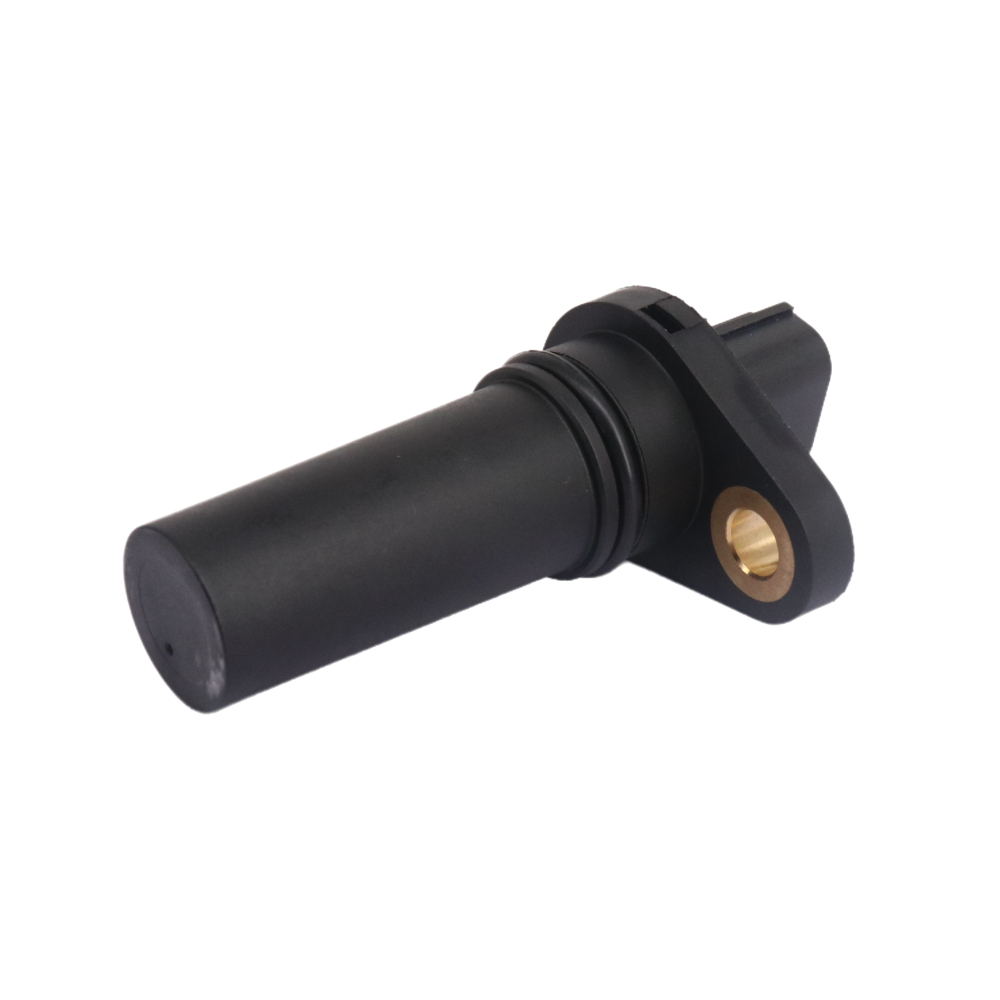
Honda CB250 CB250F TWISTER 37700-K31-901 Motorcycle Crankshaft Position Sensor
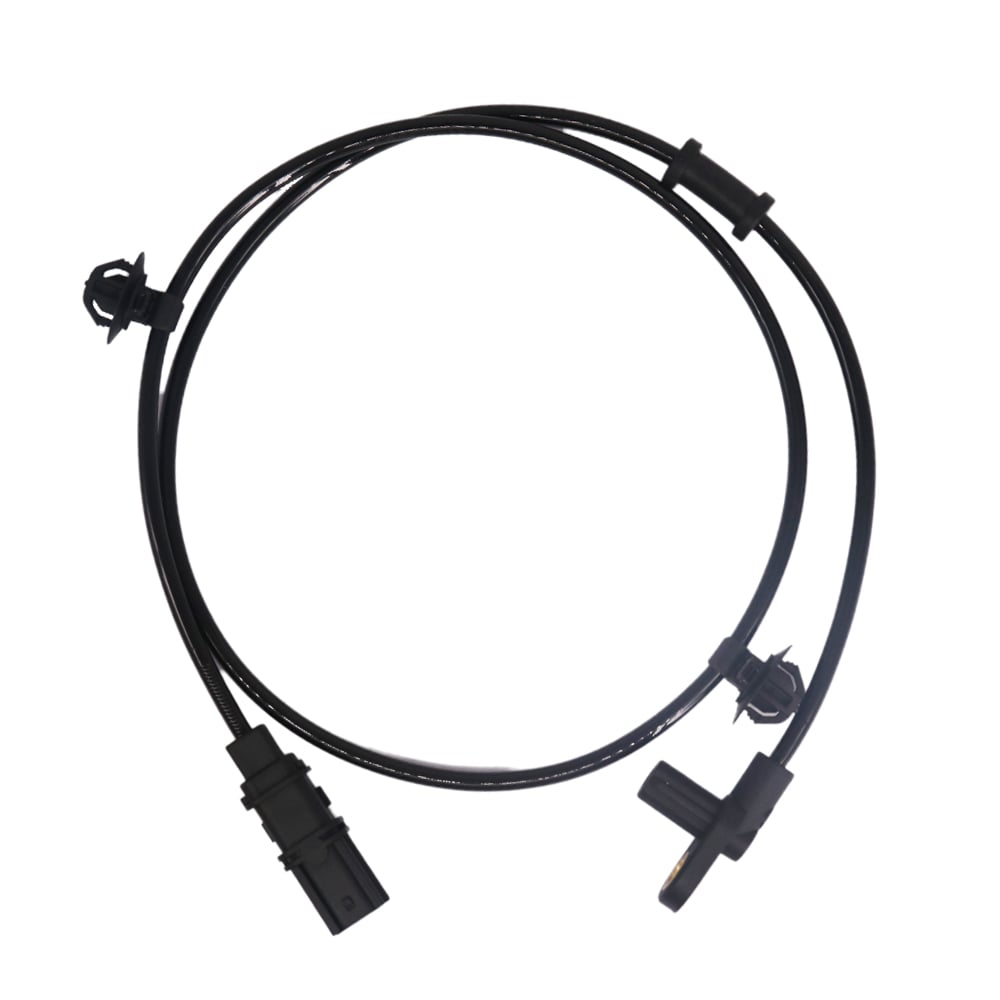
Honda CC110 CROSS CUB 110 38520-K88-B51 Motorcycle Front Wheel ABS Speed Sensor
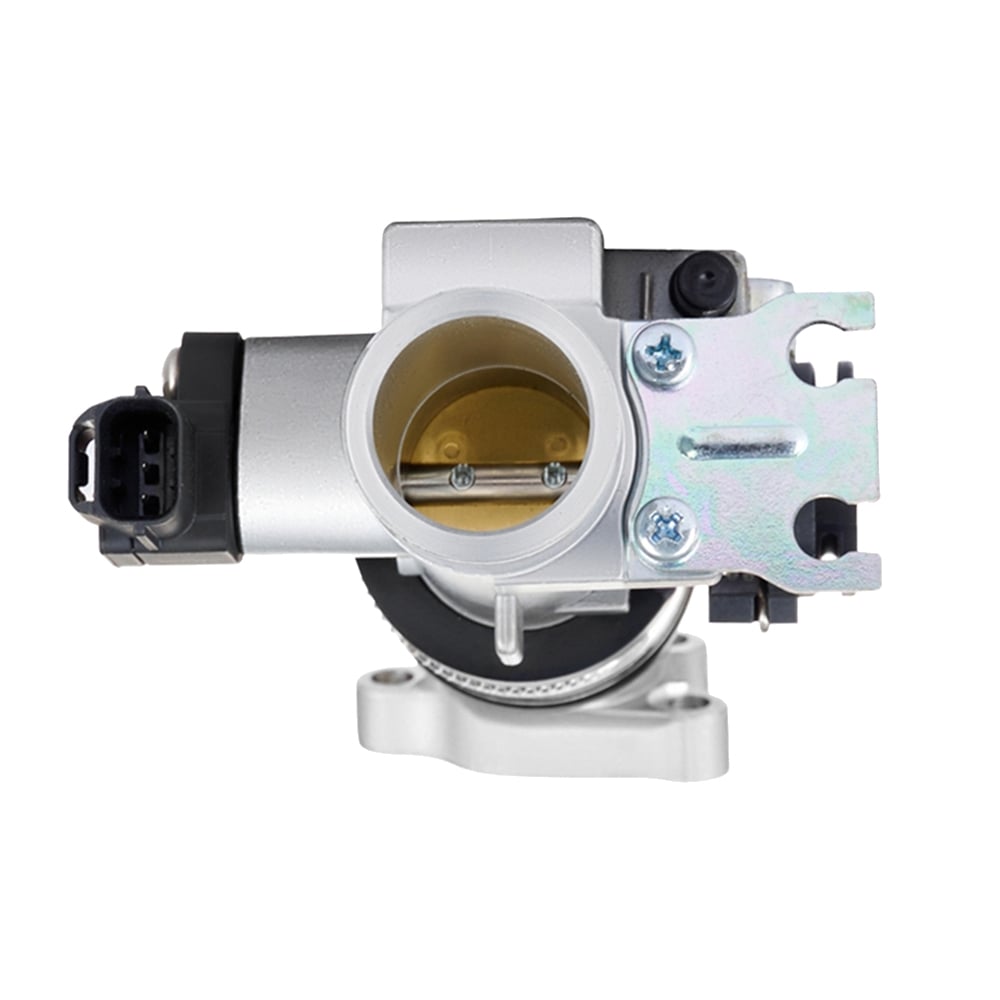
Piaggio Liberty 50 i-get Throttle Body — 1A007324, 22 / 26 mm
26 mm Throttle Body for the Kymco Agility City 125 / 125i — 16100-ALJ9-E15